




















Close
MCE 2026

Alstom and Dalia Power Energies inaugurate Haruvit combined-cycle power plant

Note* - All images used are for editorial and illustrative purposes only and may not originate from the original news provider or associated company.

Subscribe

- Never miss a story with notifications

- Gain full access to our premium content

- Browse free from any location or device.

Media Packs

Expand Your Reach With Our Customized Solutions Empowering Your Campaigns To Maximize Your Reach & Drive Real Results!

– Access the Media Pack Now

– Book a Conference Call

Leave Message for Us to Get Back

Related stories

Microgrids Strengthening Energy Resilience for Cities

Microgrids are becoming a cornerstone of urban energy infrastructure, providing cities with the ability to maintain critical services during major grid disruptions and fostering a more decentralized and resilient electrical network.

AI-Powered Forecasting Is Improving Power Demand Management

The application of artificial intelligence and machine learning to energy demand forecasting is enabling utilities to optimize grid operations, reduce peak loads, and integrate renewable energy more effectively through high-precision predictive insights.

Decentralized Energy Networks Transform Power Systems

The shift from centralized power plants to decentralized energy networks is creating a more resilient and democratic energy landscape, enabling local generation, peer-to-peer trading, and improved infrastructure reliability.
- Advertisement -

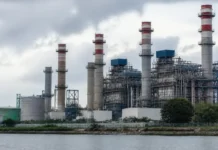
Alstom and Dalia Power Energies reach a major milestone in their partnership today with the inauguration of the 835 MW gas-fired power plant, built by Alstom in Haruvit (Israel), in the presence of Yuval Steinitz, Minister of Infrastructure, Eitan Meir, Dalia Power Energies CEO, Doron Set, Chairman of Dalia Power Energies board, and Patrick Kron, Alstom Chairman and CEO.

Alstom has supplied Haruvit on a turnkey basis. The company managed the entire project from the initial design to the final commissioning of the plant, with planning, quality and safety at the centre throughout the project which was completed and delivered in 32 months. The plant boasts a 58% gross efficiency, making it the most efficient power plant in Israel, providing substantial fuel costs savings and adding close to 8% of the country’s installed power generation capacity. It also enables a significantly lower environmental footprint, thanks to emissions of 350 g CO2/kWh – close to half the Israeli average.

The 2 gas-fired combined-cycle units integrate Alstom’s GT26 gas turbine, steam turbine, generator and heat recovery steam generator. The power plant is connected to the grid thanks to Alstom’s distributed control system Alspa Series 6 and 420 kV gas-insulated substation. Alstom is also in charge of full operation and maintenance for a period of twenty years.

Commenting at the inauguration ceremony, Patrick Kron, Chairman and CEO Alstom said: “Alstom is proud to celebrate today the delivery of Haruvit power plant. It represents the group’s first entry into the Israeli gas market with a world-class power plant to meet the country’s energy needs, thanks to the most efficient and flexible power generation units in the entire national generation fleet.”

The plant is located 40 km south-east of Tel Aviv, at the intersection of the national electricity grid. This strategic location will enable the plant to feed electricity to both the grid’s northern and southern sections, increasing the reliability of the electricity supply to the end-users. The Israeli government is encouraging investments by Independent Power Producers, and the recent discoveries of major gas reserves near the Israeli coasts pave the way for investment in gas-fired combined-cycle power projects.


Latest stories

Related stories

Microgrids Strengthening Energy Resilience for Cities

Microgrids are becoming a cornerstone of urban energy infrastructure, providing cities with the ability to maintain critical services during major grid disruptions and fostering a more decentralized and resilient electrical network.

AI-Powered Forecasting Is Improving Power Demand Management

The application of artificial intelligence and machine learning to energy demand forecasting is enabling utilities to optimize grid operations, reduce peak loads, and integrate renewable energy more effectively through high-precision predictive insights.

Decentralized Energy Networks Transform Power Systems

The shift from centralized power plants to decentralized energy networks is creating a more resilient and democratic energy landscape, enabling local generation, peer-to-peer trading, and improved infrastructure reliability.

Germany Solar Generation Hits Record 70.1 TWh in 2025 Data

Preliminary figures released by Germany’s Destatis indicate that 438.2...

Subscribe

- Never miss a story with notifications

- Gain full access to our premium content

- Browse free from any location or device.

Media Packs

Expand Your Reach With Our Customized Solutions Empowering Your Campaigns To Maximize Your Reach & Drive Real Results!

– Access the Media Pack Now

– Book a Conference Call

Leave Message for Us to Get Back

Translate »