






















Close
MCE 2026
World Hydrogen & Carbon Americas

Electricity Generation from Test Operations Begun at Joetsu Thermal Power Station Unit 1-1

Note* - All images used are for editorial and illustrative purposes only and may not originate from the original news provider or associated company.

Subscribe

- Never miss a story with notifications

- Gain full access to our premium content

- Browse free from any location or device.

Media Packs

Expand Your Reach With Our Customized Solutions Empowering Your Campaigns To Maximize Your Reach & Drive Real Results!

– Access the Media Pack Now

– Book a Conference Call

Leave Message for Us to Get Back

Related stories

Heat Pumps as Strategic Grid Assets Enabling Renewable Integration and Stability

Modern heat pumps have evolved beyond efficiency technologies to become strategic grid assets capable of providing demand flexibility, load shifting and seasonal balancing. Discover how large-scale heat pump deployment supports renewable integration and grid stability.

Electrification of Heating and Cooling: Reshaping Global Electricity Demand

The rapid electrification of heating and cooling systems is fundamentally transforming electricity demand patterns worldwide. Explore how thermal electrification impacts peak loads, grid infrastructure, and long-term power generation planning in the transition to decarbonized energy systems.

The Growing Role of Demand-Side Flexibility in Renewable Grids

Modern electricity grids face unprecedented challenges as renewable energy penetration increases. Demand-side flexibility and automated demand response have emerged as operational tools equal in importance to generation reserves, fundamentally transforming how utilities maintain grid reliability while integrating variable renewable sources.
- Advertisement -
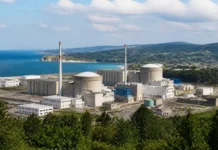
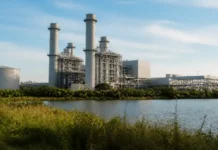
This is to announce that Chubu Electric Power today arranged the gas turbine of Joetsu Thermal Power Station Unit 1-1, which is currently in test operation, into a power system and began generating electricity from the test operations.

The Joetsu Thermal Power Station uses state-of-the-art combined-cycle power generation with LNG (liquefied natural gas) as fuel. Chubu Electric Power has been building the station to reduce CO2 emissions by achieving Japan’s highest thermal efficiency* (the aim is for at least 58%) and to contribute to electricity supply stability in the Nagano Prefecture area.

We estimate that once all the facilities are in operation, increases in the overall thermal efficiency of the thermal power equipment will reduce LNG usage by 600,000 tons per year and CO2 emissions by about 1.6 million tons per year.

Looking ahead to the start of commercial operations at Unit 1-1 in July 2012, we continue to fully verify functionality and safety during test operations and prepare so that our facilities will be able to provide a reliable supply well into the future.

Thermal efficiency is a figure that expresses the percentage of thermal energy from fuel combustion that is converted into electric energy.

Latest stories

Related stories

Heat Pumps as Strategic Grid Assets Enabling Renewable Integration and Stability

Modern heat pumps have evolved beyond efficiency technologies to become strategic grid assets capable of providing demand flexibility, load shifting and seasonal balancing. Discover how large-scale heat pump deployment supports renewable integration and grid stability.

Electrification of Heating and Cooling: Reshaping Global Electricity Demand

The rapid electrification of heating and cooling systems is fundamentally transforming electricity demand patterns worldwide. Explore how thermal electrification impacts peak loads, grid infrastructure, and long-term power generation planning in the transition to decarbonized energy systems.

The Growing Role of Demand-Side Flexibility in Renewable Grids

Modern electricity grids face unprecedented challenges as renewable energy penetration increases. Demand-side flexibility and automated demand response have emerged as operational tools equal in importance to generation reserves, fundamentally transforming how utilities maintain grid reliability while integrating variable renewable sources.

How Renewable Electricity Powers Continuous Thermal Systems

The integration of renewable electricity into thermal energy systems—heating, cooling, and hot water—requires sophisticated technical solutions including thermal storage, hybrid system configurations, and intelligent dispatch algorithms. These innovations enable renewable power to reliably serve round-the-clock thermal demands while maintaining the system reliability that modern buildings and industries require.

Subscribe

- Never miss a story with notifications

- Gain full access to our premium content

- Browse free from any location or device.

Media Packs

Expand Your Reach With Our Customized Solutions Empowering Your Campaigns To Maximize Your Reach & Drive Real Results!

– Access the Media Pack Now

– Book a Conference Call

Leave Message for Us to Get Back

Translate »