










Events Date: 9

Netherlands Unveils €1B Offshore Wind Energy Action Plan

Note* - All images used are for editorial and illustrative purposes only and may not originate from the original news provider or associated company.

Subscribe

- Never miss a story with notifications

- Gain full access to our premium content

- Browse free from any location or device.

Media Packs

Expand Your Reach With Our Customized Solutions Empowering Your Campaigns To Maximize Your Reach & Drive Real Results!

– Access the Media Pack Now

– Book a Conference Call

Leave Message for Us to Get Back

Related stories

Ergonomics Improving Efficiency in Transmission Worksites

Optimizing the physical interaction between utility professionals and their environment, ergonomics transmission worksites initiatives are proving that worker comfort is a primary engine of operational speed. By refining tool design and harness mechanics, the power sector is reducing physical strain and fatigue, allowing crews to maintain peak performance throughout the demanding lifecycle of infrastructure projects.

Data Driven Insights Transforming Safety in Power Grids

Revolutionizing the management of risk in the energy sector, data driven safety power grids initiatives are turning vast streams of information into actionable protection strategies. By analyzing patterns of maintenance, environmental conditions, and worker behavior, utility providers are now able to predict hazards before they manifest, creating a more transparent and responsive safety environment for the modern electrical infrastructure.

Building Safety Culture Across Power Transmission Teams

Strengthening the human foundation of our energy networks, safety culture power transmission teams initiatives are moving beyond compliance to a deep-seated commitment to mutual protection. By fostering open communication, leadership accountability, and peer-to-peer engagement, utility organizations are creating an environment where every individual feels empowered to prioritize safety as a core personal and professional value.
- Advertisement -

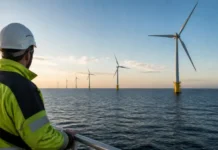
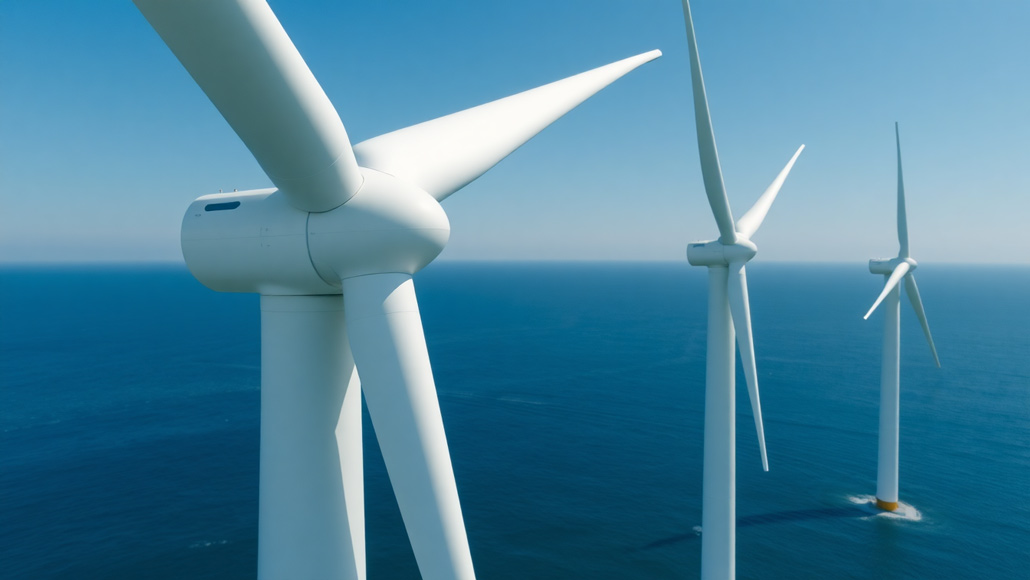
The Netherlands government has released its Offshore Wind Energy Action Plan, allocating nearly €1 billion to enable expansion of offshore wind farms in the Dutch North Sea.

Offshore wind is at the forefront of the Netherlands’ energy transition, with offshore wind farm electricity production having risen sharply in recent years. With rising costs, increased interest rates, and geopolitical instability now casting doubt on progress, the government has introduced the new Offshore Wind Energy Action Plan to safeguard momentum from decelerating.

As the present government is a caretaker government, the cabinet has refrained from broad new policies, opting instead for short-term measures for 2026 and laying the foundations for long-term structural policies for the future. Minister Micky Adriaansens-Hermans (Climate and Green Growth), stated: “The Action Plan provides additional certainty for the sector and ensures that the next cabinet can make swift decisions.”

The plan takes a dual-track approach to strengthen both supply and demand sides. On the supply side, the government will prepare a 2026 tender for 2 GW of offshore wind capacity with subsidies. €948.3 million from the Climate Fund has been allocated, largely directed toward these tenders. Demand-side measures include an extension of the Indirect Cost Compensation (IKC-ETS) scheme by a year until the end of 2028, with €150 million set aside for this extension to maintain competitive electricity prices.

Looking ahead longer, laws are being prepared to bring in Contracts for Difference (CfDs), where wind farm operators would be supported with subsidies in low-price periods but will repay funds during high-price periods. A guarantee fund for long-term electricity contracts is also planned, and a review as to whether developers would be allowed longer timelines to deliver projects.

The cabinet is additionally considering combining the Ten Noorden van de Waddeneilanden wind farm with the Doordewind area to boost turbine capacity and streamline infrastructure use. By pursuing these measures, the government aims to maintain continuity in offshore wind development while leaving broader policy choices for the next administration.

The Offshore Wind Energy Action Plan announcement comes as there are indications that the Netherlands may fail to achieve its climate objectives for 2030.

Latest stories

Related stories

Ergonomics Improving Efficiency in Transmission Worksites

Optimizing the physical interaction between utility professionals and their environment, ergonomics transmission worksites initiatives are proving that worker comfort is a primary engine of operational speed. By refining tool design and harness mechanics, the power sector is reducing physical strain and fatigue, allowing crews to maintain peak performance throughout the demanding lifecycle of infrastructure projects.

Data Driven Insights Transforming Safety in Power Grids

Revolutionizing the management of risk in the energy sector, data driven safety power grids initiatives are turning vast streams of information into actionable protection strategies. By analyzing patterns of maintenance, environmental conditions, and worker behavior, utility providers are now able to predict hazards before they manifest, creating a more transparent and responsive safety environment for the modern electrical infrastructure.

Building Safety Culture Across Power Transmission Teams

Strengthening the human foundation of our energy networks, safety culture power transmission teams initiatives are moving beyond compliance to a deep-seated commitment to mutual protection. By fostering open communication, leadership accountability, and peer-to-peer engagement, utility organizations are creating an environment where every individual feels empowered to prioritize safety as a core personal and professional value.

Human Factors Shaping Safety in Power Transmission Work

Understanding the cognitive and psychological drivers of performance, human factors power transmission safety initiatives are refining the interface between the worker and the high-voltage environment. By addressing issues like cognitive load, decision-making biases, and fatigue, the energy sector is moving beyond physical protection to a sophisticated model of error prevention that acknowledges the inherent limitations and strengths of the human mind.

Subscribe

- Never miss a story with notifications

- Gain full access to our premium content

- Browse free from any location or device.

Media Packs

Expand Your Reach With Our Customized Solutions Empowering Your Campaigns To Maximize Your Reach & Drive Real Results!

– Access the Media Pack Now

– Book a Conference Call

Leave Message for Us to Get Back

Translate »