





















The modern electrical grid is arguably the most complex machine ever built by humanity. As we move toward a decentralized energy landscape filled with millions of solar panels, electric vehicles, and smart appliances, managing this machine through traditional methods is becoming impossible. Enter the digital twin a high-fidelity, virtual replica of a physical asset, system, or process that is continuously updated with real-time data. Today, Digital Twins Power System Operations are at the forefront of the grid digitalization movement, providing utilities with the predictive foresight and operational optimization needed to navigate the challenges of the energy transition. By bridging the gap between the physical and digital worlds, these virtual models allow for a level of precision and risk management that was previously unthinkable.
The Architecture of Digital Twin Technology in Utilities
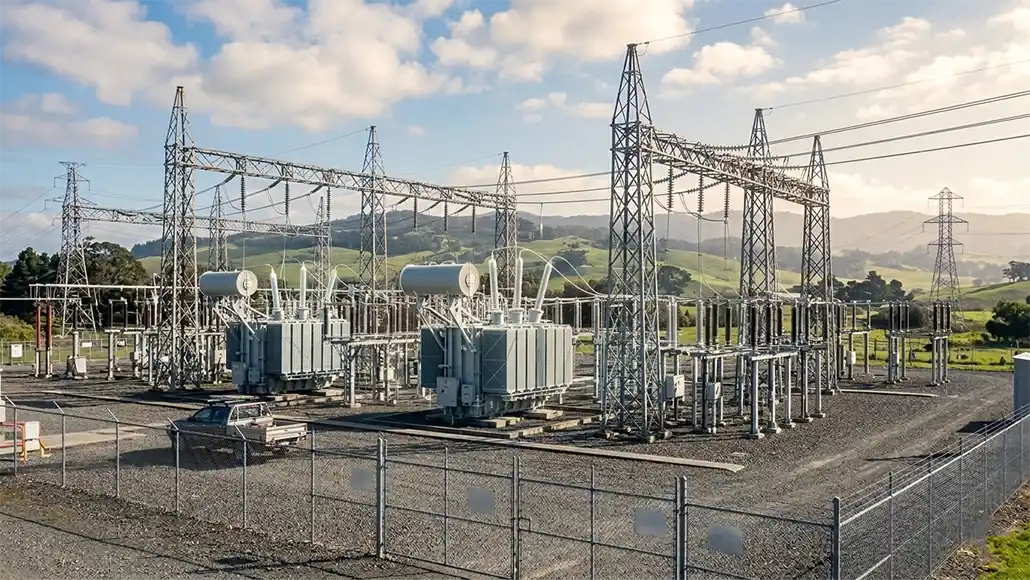
A digital twin is far more than a simple 3D model or a static simulation. It is a dynamic entity fueled by real-time grid data from IoT sensors, smart meters, and satellite imagery. The architecture of a digital twin for a power system involves three primary layers: the physical layer (the actual transformers, lines, and generators), the digital layer (the mathematical model), and the data-link layer (the communication network that connects them). This continuous loop of information ensures that the digital model always reflects the current state of the physical grid, accounting for temperature, load, and even the physical degradation of components.
The implementation of Digital Twins Power System Operations allows for energy system modeling that can simulate “what-if” scenarios in seconds. For example, a utility can simulate the impact of a severe hurricane on its distribution network, identifying which transformers are most likely to fail and pre-positioning repair crews before the storm even makes landfall. This predictive grid analytics capability is the key to building a more resilient and reliable energy infrastructure.
Smart Grid Monitoring and Predictive Maintenance
One of the most immediate benefits of digital twin technology is the shift from reactive to predictive maintenance. Traditionally, grid assets were inspected on a set schedule or repaired after they failed. This is both expensive and inefficient. With a digital twin, a transformer can be monitored in real-time. By analyzing its vibration patterns, thermal signatures, and historical data, the system can predict when a critical component is nearing failure. This allows utilities to replace parts during planned maintenance windows, avoiding the massive costs and reputational damage associated with unexpected blackouts.
This level of smart grid monitoring also extends the lifespan of existing assets. By understanding the precise stress levels on a transmission line during a heatwave, operators can optimize the power flow to prevent overheating and permanent damage. In this way, digital twins power system operations contribute to a more sustainable use of resources, delaying the need for new physical infrastructure through the intelligent management of what we already have.
AI in Power Systems and Decision Support
The sheer volume of data generated by a modern smart grid is overwhelming for human operators. This is where the integration of AI in power systems becomes critical. Digital twins provide the high-quality data environment necessary for machine learning algorithms to flourish. These AI models can sift through petabytes of real-time grid data to identify subtle anomalies that might escape a human eye. Whether it is detecting a subtle “signature” of a failing insulator or identifying an unauthorized attempt to access the grid’s control system, AI-driven digital twins provide an essential layer of security and operational optimization.
Real-Time Grid Data and Operational Optimization
Operational optimization is not just about preventing failures; it is about maximizing efficiency every single minute. Digital twins power system operations allow for real-time balancing of supply and demand in a world of intermittent renewables. The virtual model can forecast solar output based on cloud cover patterns and adjust the charging schedules of thousands of electric vehicles to prevent local grid congestion. This level of granular control is essential for the successful integration of decentralized energy resources.
Furthermore, digital twins facilitate better communication between different stakeholders in the energy sector. A single, unified digital replica can be used by planners to design new expansions, by operators to manage daily flows, and by maintenance teams to track asset health. This “single source of truth” reduces errors, eliminates data silos, and accelerates the decision-making process. Grid digitalization is, at its core, about making the grid more transparent and responsive to the needs of the modern consumer.
The Future: From Digital Twins to Autonomous Grids
As we look to the future, the role of digital twins will continue to expand. We are moving toward a state where the digital twin doesn’t just inform human decisions but actually executes them. This is the concept of the autonomous grid, where the digital replica uses AI to automatically reroute power around a fault or adjust voltage levels in real-time to maintain stability. Digital twins power system operations will be the “brain” of this autonomous system, ensuring that the grid remains stable even in the face of extreme volatility.
Moreover, as the world moves toward the “Industrial Metaverse,” we can expect to see more immersive interfaces for grid management. Imagine a grid operator wearing a VR headset, walking through a virtual substation to inspect assets that are hundreds of miles away, guided by the real-time data provided by its digital twin. This convergence of virtual reality, AI, and IoT will redefine the role of the utility professional, turning them from a manager of machines into an orchestrator of digital ecosystems.
Conclusion: The Imperative of Grid Digitalization
The adoption of digital twin technology is no longer a luxury for forward-thinking utilities; it is a necessity for survival in a complex energy world. Digital twins power system operations offer the only viable path to managing a grid that is becoming increasingly decentralized, intermittent, and data-heavy. By providing a safe environment to test new strategies, predict potential failures, and optimize daily performance, these virtual replicas are the foundation upon which the clean energy future will be built. The transformation of our energy systems starts with the digitalization of our understanding, and the digital twin is the most powerful tool we have to achieve that goal.
Key Takeaways
1. Predictive Foresight and Resilience: Digital twins enable utilities to move from reactive maintenance to predictive analytics. by using real-time modeling and “what-if” simulations, operators can anticipate grid failures, optimize asset lifespans, and pre-emptively respond to extreme weather events, significantly boosting overall system reliability and infrastructure resilience.
2. AI Integration and Operational Efficiency: The synergy between AI in power systems and digital twin technology allows for the real-time optimization of complex, decentralized grids. These virtual replicas provide the high-fidelity data needed for AI to manage intermittent renewable energy sources, balance supply and demand, and ensure grid digitalization leads to measurable gains in operational efficiency.