






























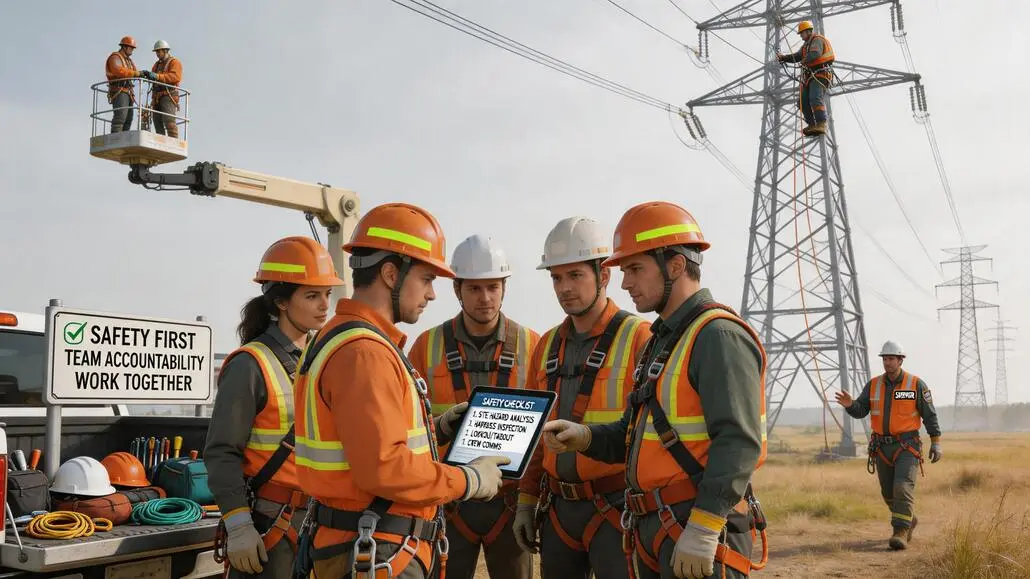

The technical complexity of maintaining and expanding a modern high-voltage electrical grid is immense, requiring a vast array of sophisticated engineering controls, digital monitoring systems, and advanced physical equipment. However, the most critical and often most challenging component of any successful utility operation is the human element. While the “hardware” of safety provides the physical framework for protection, it is the underlying safety culture power transmission teams that ultimately determines whether those tools are used effectively and consistently in the field. A true safety culture is far more than a set of rules or a collection of manuals; it is a shared set of values, beliefs, and behaviors that define how work is performed when no supervisor is watching and when project deadlines are looming. In the high-stakes environment of energy transmission, building a robust safety culture power transmission teams is the only sustainable path to achieving a truly zero-incident workplace.
A strong safety culture power transmission teams begins with the fundamental recognition that every single person on the job site from the project manager to the newest apprentice is a “safety leader” with the authority and the responsibility to intervene. This democratization of safety ensures that anyone, regardless of their title or years of experience, feels just as empowered to stop work if they identify a hazard or a deviation from established protocols. When an organization prioritizes safety culture power transmission teams, it creates a psychological safety net that actively encourages the reporting of errors, near-misses, and “unsafe acts” without the fear of retribution or blame. This level of transparency is absolutely vital for organizational learning and continuous improvement, as it allows the entire company to benefit from the hard-won insights of those on the front lines. The maturation of safety culture power transmission teams is the ultimate sign of professional excellence and operational maturity in the modern power sector.
Leadership Accountability and the Foundation of Organizational Trust
The development and sustainment of a healthy safety culture power transmission teams must be driven by visible, consistent, and authentic leadership at every level of the organization. It is no longer enough for executives to simply talk about safety in boardrooms or include it in annual reports; they must demonstrate it through their actions in the field and their decision-making in the office. When a senior manager visits a remote substation and takes the time to perform a thorough site walk-through, wearing all the required personal protective equipment and engaging in meaningful, non-judgmental safety conversations with the crew, they are sending a powerful and unmistakable message about the company’s true priorities. This “walk the talk” approach is the bedrock of safety leadership energy. It builds the foundation of trust necessary for workers to believe that the company genuinely values their lives and well-being more than the project’s bottom line or the day’s production goals.
Leadership in a robust safety culture power transmission teams also involves the strategic and ungrudging allocation of resources. A company that consistently invests in the highest-quality equipment, comprehensive and frequent training, and adequate staffing levels is making a tangible and permanent commitment to the protection of its people. This investment provides the physical tools and the knowledge base that support the cultural values, showing the workforce that safety is a priority that the organization is willing to pay for. In a mature safety culture power transmission teams, safety is never seen as a cost center to be minimized, but rather as a core value that drives every investment and operational decision. This alignment of resources, leadership behavior, and organizational values is what creates a resilient and high-performing transmission safety culture that can withstand the pressures of even the most demanding projects.
Peer-to-Peer Accountability and the Power of Shared Vigilance
While leadership sets the overarching tone and provides the necessary resources, the daily, lived reality of a safety culture power transmission teams is defined by the interactions between peers on the job site. The most effective and timely safety checks are often those performed by one’s own crew members on the tower or in the bucket. A culture of peer-to-peer accountability means that team members are constantly looking out for one another, correcting unsafe behaviors or identifying overlooked hazards in real-time with a spirit of mutual respect and shared mission. This “brother’s keeper” or “sister’s keeper” mentality is a hallmark of an advanced safety culture power transmission teams, as it creates a dense and redundant layer of protection that even the best technology or supervision cannot provide.
Effective and open communication is the lifeblood of this peer-to-peer engagement and the broader safety culture power transmission teams. In a healthy environment, communication is multi-directional and completely transparent. Tailboard meetings at the start of a shift or a new task are not just a perfunctory reading of a checklist; they are dynamic, collaborative discussions where every team member is expected to contribute to the hazard analysis based on their specific vantage point. Workers are encouraged to speak up not only about physical hazards but also about their own mental or physical state such as fatigue or distraction and the team is expected to adjust the workload or roles accordingly. This level of employee safety engagement ensures that no individual is ever forced or feels pressured to work beyond their capabilities or in an unsafe condition. By fostering a climate of open dialogue and mutual support, safety culture power transmission teams ensure that critical, life-saving information is never lost in a hierarchy.
The Just Culture Framework and Learning from Human Error
One of the most significant and persistent challenges in building a resilient safety culture power transmission teams is the management of human error. Traditionally, the industrial focus was often on finding a “root cause” that ended with an individual to blame after an accident occurred. However, a modern and effective safety culture power transmission teams operates on the sophisticated principles of a “Just Culture.” In this model, the organization makes a clear and fair distinction between honest human errors which are often the result of system weaknesses and intentional, reckless violations of safety rules. Honest mistakes are treated as invaluable opportunities for learning and systemic improvement, while the individual involved is supported and coached rather than being punished.
This Just Culture approach encourages workers to be completely open and honest about their mistakes and near-misses, providing the high-quality data that the organization needs to strengthen the overall safety culture power transmission teams. A learning-oriented organization also involves the systematic analysis of “successful” work—studying what goes right every single day despite the hazards. What are the subtle and innovative ways that crews adapt to changing weather or difficult terrain to keep themselves safe? By identifying, documenting, and then standardizing these informal but effective safety practices, companies can build a more robust and flexible safety culture power transmission teams. This shift from a narrow focus on failure to a broad focus on resilience is a key characteristic of next-generation workforce safety behavior. It empowers the entire workforce to see themselves as the primary solution to safety challenges, rather than the problem to be managed.
Continuous Improvement and the Path Toward Zero Harm
The pursuit of a world-class safety culture power transmission teams is a journey that has no final destination; it requires a relentless and permanent commitment to improvement and a constant vigilance against the dangers of complacency. As the energy sector faces new and complex challenges from the rapid integration of renewable energy sources to the management of an aging workforce and infrastructure the strength of the safety culture power transmission teams will be the single most important factor in the industry’s success. It is the invisible force that binds all the other safety elements together, ensuring that engineering, data, and regulations are translated into real-world protection for every worker.
In conclusion, building a safety culture power transmission teams is the most important work a utility leader can do. It requires a combination of empathy, discipline, and a deep understanding of human behavior. By building an environment of absolute trust, mutual accountability, and continuous learning, we can ensure that our transmission teams are not only the most technically proficient in the world but also the safest. The future of the power sector is built on the foundation of a healthy and vibrant safety culture, where the goal of zero harm is not just a slogan on a poster, but a daily reality for every man and woman who works to keep our world powered. Through the intentional cultivation of these values, we can create a legacy of safety that protects generations of utility professionals to come.