

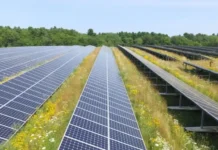
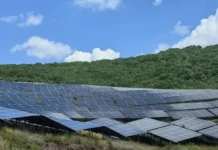
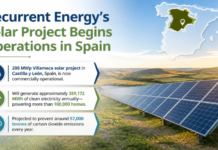
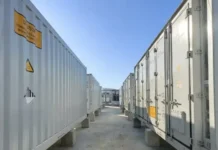













The global electrical grid, often described as the most complex machine ever built by humanity, is currently undergoing its most significant overhaul in a century. The traditional model of centralized generation where large power plants transmit electricity over long distances to passive consumers is being replaced by a more dynamic, decentralized, and intelligent architecture. Smart grid integration energy efficiency is at the heart of this modernization, leveraging advanced power electronics and digital communications to create a responsive energy network. This integration is not just about connecting more solar panels or wind turbines; it is about optimizing every facet of the energy lifecycle, from generation and storage to distribution and end-use consumption.
The transition to a smart grid is driven by the urgent need to reduce carbon emissions and improve the overall resilience of our energy infrastructure. In a traditional grid, energy is often wasted due to transmission losses and the inability to match supply with demand in real-time. A smart grid addresses these inefficiencies by incorporating sensors and automated controls that monitor grid health and adjust energy flows instantaneously. This “self-healing” capability reduces the frequency and duration of blackouts while ensuring that electricity is always delivered via the most efficient path possible. By integrating distributed energy resources (DERs) directly into the local distribution network, the smart grid minimizes the energy lost during long-range transmission, providing a more localized and efficient solution.
Power Electronics as the Gateway to Modern Grids
The fundamental enabler of smart grid integration energy efficiency is advanced power electronics. These devices act as the “gatekeepers” of the grid, converting and controlling the flow of electricity between various sources and loads. Modern smart inverters, for example, are much more than simple converters; they are sophisticated power management systems that can provide essential grid services such as frequency regulation and voltage support. By utilizing wide bandgap semiconductors like Silicon Carbide and Gallium Nitride, these power electronics can operate with higher efficiency and faster response times, allowing the grid to absorb the fluctuating output of renewable energy sources without compromising stability.
Furthermore, the deployment of Solid-State Transformers (SSTs) is poised to revolutionize grid distribution. Unlike traditional electromagnetic transformers, which are passive and relatively rigid, SSTs are active devices that can precisely control the voltage and current flow. This allows for the seamless integration of DC-based technologies such as solar arrays, battery storage, and EV fast chargers directly into the AC grid. By eliminating multiple stages of energy conversion, SSTs significantly reduce system-wide energy losses, making smart grid integration energy efficiency a tangible reality for utility providers and consumers alike.
The Role of Bidirectional Energy Flow and V2G
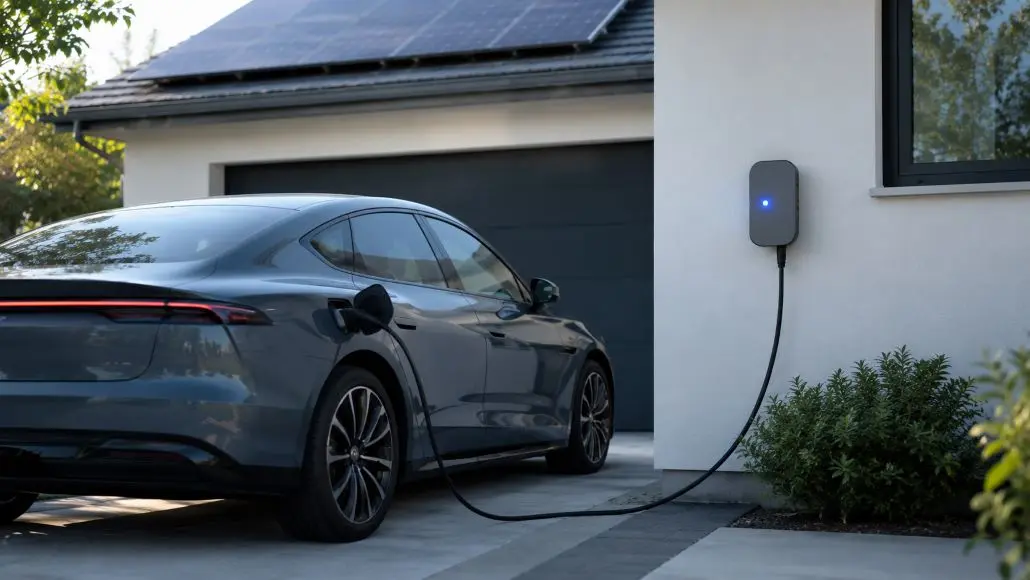
One of the most transformative aspects of the smart grid is the shift toward bidirectional energy flow. In the past, electricity flowed in one direction: from the utility to the customer. Today, the rise of rooftop solar and electric vehicles has turned consumers into “prosumers” both producers and consumers of energy. Smart grid integration energy efficiency facilitates this by allowing excess energy from residential solar systems to be fed back into the grid, supporting local demand and reducing the need for large-scale fossil fuel generation. This decentralization of production makes the grid more robust and drastically reduces the environmental impact of electricity generation.
The concept of Vehicle-to-Grid (V2G) technology takes this a step further. Modern electric vehicles are essentially mobile batteries on wheels, often sitting idle for 90% of the day. Through V2G, these vehicles can be used as a distributed energy storage system, providing power to the grid during peak demand periods and charging during off-peak hours when renewable generation is high. This “buffer” effect is critical for stabilizing a grid that relies heavily on intermittent sources like wind and solar. By intelligently managing the charging and discharging of millions of EVs, the smart grid can level out demand spikes, reducing the need for expensive and polluting “peaker” plants and further enhancing the efficiency of the entire energy system.
Grid Optimization through Real-Time Data Analytics
The “smart” in smart grid comes from the integration of digital data and advanced analytics. By collecting data from smart meters, line sensors, and weather stations, grid operators can gain a real-time view of energy demand and generation patterns. This visibility allows for sophisticated load balancing and demand response programs, where industrial and residential consumers are incentivized to shift their energy use to times when supply is abundant. Smart grid integration energy efficiency is maximized when the system can predict demand and adjust generation accordingly, preventing the overproduction and subsequent waste of energy.
Machine learning algorithms are now being deployed to analyze this massive influx of data, identifying trends and predicting potential grid failures before they occur. This predictive capability allows for more efficient maintenance schedules and faster response to storm-related damage. In addition, these algorithms can optimize the operation of virtual power plants (VPPs) aggregations of small-scale DERs that act together as a single large-scale power plant. By coordinating thousands of small solar and storage systems, VPPs can provide the same reliability as a traditional power station but with much higher efficiency and lower carbon footprint.
Enhancing Resilience and Security in Decentralized Networks
As the grid becomes more decentralized and digitally integrated, its resilience to both natural disasters and cyberattacks becomes a paramount concern. A smart grid is inherently more resilient than a traditional one because it is composed of numerous interconnected microgrids. In the event of a major grid failure, these microgrids can “island” themselves, continuing to provide power to critical facilities like hospitals and emergency services using local generation and storage. This modular architecture prevents a single point of failure from cascading into a widespread blackout, ensuring that energy remains available where it is needed most.
Security is also being built into the fabric of the smart grid from the ground up. Advanced encryption, secure communication protocols, and blockchain-based energy trading platforms are being developed to protect the grid from malicious actors. Smart grid integration energy efficiency is only possible if the network is secure and trustworthy. By ensuring that energy transactions are transparent and data is protected, we can build a modern energy infrastructure that is both highly efficient and exceptionally secure. The synergy between power electronics, digital intelligence, and decentralized architecture is creating a grid that is truly fit for the 21st century.