



















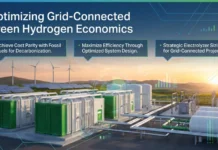
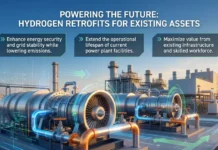



The quest for a sustainable energy future has brought many technologies to the forefront, but few carry as much promise and strategic weight as hydrogen. As we look toward the 2030s and beyond, hydrogen infrastructure for energy growth is becoming the defining characteristic of a decarbonized global economy. Often referred to as the “energy carrier of the future,” hydrogen offers a unique ability to store and transport energy at high densities, making it an ideal candidate for cleaning up heavy industries that are notoriously difficult to electrify. From the towering blast furnaces of steel mills to the massive engines of container ships, the shift toward this clean fuel is creating a tectonic shift in how energy is produced, distributed, and consumed on a global scale.
For this potential to be realized, however, the world must build an entirely new ecosystem of infrastructure. This task is monumental in scope, requiring a total rethink of our existing energy investments. It involves the construction of vast arrays of electrolyzers powered by wind and solar, the development of specialized hydrogen storage facilities in salt caverns and depleted gas reservoirs, and the creation of a global shipping network capable of moving liquid hydrogen or ammonia across oceans. The scale of this ambition is driving a new era of industrial growth, where the countries that lead in hydrogen infrastructure will likely become the energy superpowers of the next century.
The Pillars of a Clean Fuel Ecosystem
At the heart of the hydrogen revolution is the production of green and blue hydrogen. Green hydrogen, created through the electrolysis of water using renewable electricity, represents the gold standard of clean fuel. Blue hydrogen, produced from natural gas with carbon capture and storage (CCS), serves as a vital bridge, allowing for a faster scale-up of the hydrogen market while the costs of electrolysis continue to fall. Both pathways require significant low carbon energy inputs and a robust regulatory framework to ensure that the carbon reduction claims are verifiable and transparent. The integration of these production methods into the broader hydrogen infrastructure for energy growth is essential for creating a reliable and diverse supply chain.
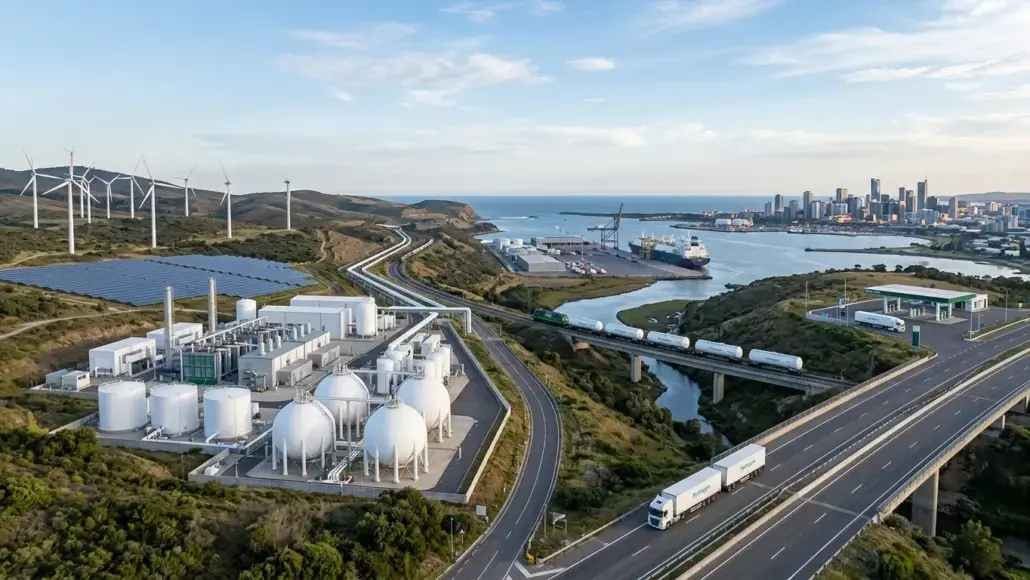
The infrastructure required to support this production is equally impressive. Electrolyzer capacity is currently being scaled up at an unprecedented rate, with gigawatt-scale “hydrogen hubs” being planned in coastal regions around the world. These hubs are often located near existing industrial clusters or major ports, creating a localized ecosystem where hydrogen can be produced, stored, and used in a highly efficient manner. By concentrating energy investments in these strategic locations, stakeholders can minimize the costs associated with transporting the gas over long distances, making hydrogen more competitive with traditional fossil fuels in the short term.
Overcoming the Challenges of Hydrogen Storage and Transport
One of the most significant technical hurdles in the hydrogen economy is the gas’s low volumetric energy density. To be stored and transported efficiently, hydrogen must be either highly compressed, liquefied at extremely low temperatures, or chemically converted into a carrier like ammonia. Each of these options requires a specialized set of hydrogen storage assets. For long-term and large-scale storage, the industry is increasingly looking toward underground salt caverns, which can hold massive quantities of hydrogen at high pressure. These geological features are a critical component of hydrogen infrastructure for energy growth, providing the seasonal storage capacity needed to balance a grid dependent on weather-variable renewables.
Transporting hydrogen over land and sea presents its own set of challenges. While existing gas pipelines can be repurposed for hydrogen blending, moving pure hydrogen often requires the construction of new, dedicated pipelines made from materials that are resistant to hydrogen embrittlement. On the high seas, we are seeing the birth of a new class of specialized transport vessels. These ships, similar to Liquefied Natural Gas (LNG) carriers but designed for even lower temperatures, will form the backbone of a global hydrogen trade. This emerging trade network will allow energy-rich regions, such as Australia, North Africa, and South America, to export their renewable energy bounty to energy-hungry industrial centers in Europe and Northeast Asia, fundamentally reshaping global geopolitics.
Decarbonizing Hard-to-Abate Sectors and Industrial Growth
The primary driver for the rapid expansion of hydrogen infrastructure is the need to decarbonize “hard-to-abate” sectors. While electric vehicles and heat pumps are making significant inroads into personal transport and residential heating, sectors like steel production, chemical manufacturing, and heavy-duty shipping require the high-intensity heat and chemical properties that only a fuel like hydrogen can provide. In the steel industry, for example, hydrogen can be used as a reducing agent in place of coking coal, virtually eliminating the carbon emissions from the production process. This transition is not only an environmental necessity but also a massive opportunity for economic growth, as it creates a demand for new technologies, services, and highly skilled jobs.
The role of low carbon energy in this process cannot be overstated. To produce enough green hydrogen to meet industrial demand, we will need to massively expand our renewable energy capacity far beyond what is required for current electricity consumption. This creates a virtuous cycle where the demand for hydrogen drives further energy investments in wind and solar, which in turn lowers the cost of hydrogen production. As the cost of clean fuel continues to drop, it will become increasingly attractive for other sectors, such as long-haul trucking and aviation, further fueling the growth of the hydrogen economy and solidifying its position as a cornerstone of the future energy mix.
The Strategic Importance of Global Energy Investments
The transition to a hydrogen-based energy system requires a level of international cooperation and financial commitment that is almost without precedent. We are currently seeing a surge in global energy investments, with billions of dollars being funneled into hydrogen projects by both governments and private equity. Policy mechanisms like the Inflation Reduction Act in the United States and the European Green Deal are providing the necessary subsidies and tax credits to de-risk these early-stage projects. However, for the market to reach maturity, we will also need to see the development of standardized contracts, transparent pricing mechanisms, and a global certification system for “clean” hydrogen.
Hydrogen infrastructure for energy growth is more than just a technological challenge; it is a financial and political one. The success of the hydrogen economy will depend on our ability to build trust between producers and consumers, create efficient markets, and ensure that the benefits of this new energy system are shared broadly. As we move closer to a zero-carbon future, the infrastructure we build today will determine the shape of our economy for decades to come. By investing in hydrogen, we are not just choosing a cleaner fuel; we are building the foundation for a more resilient, sustainable, and prosperous world.