


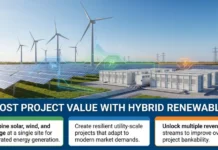









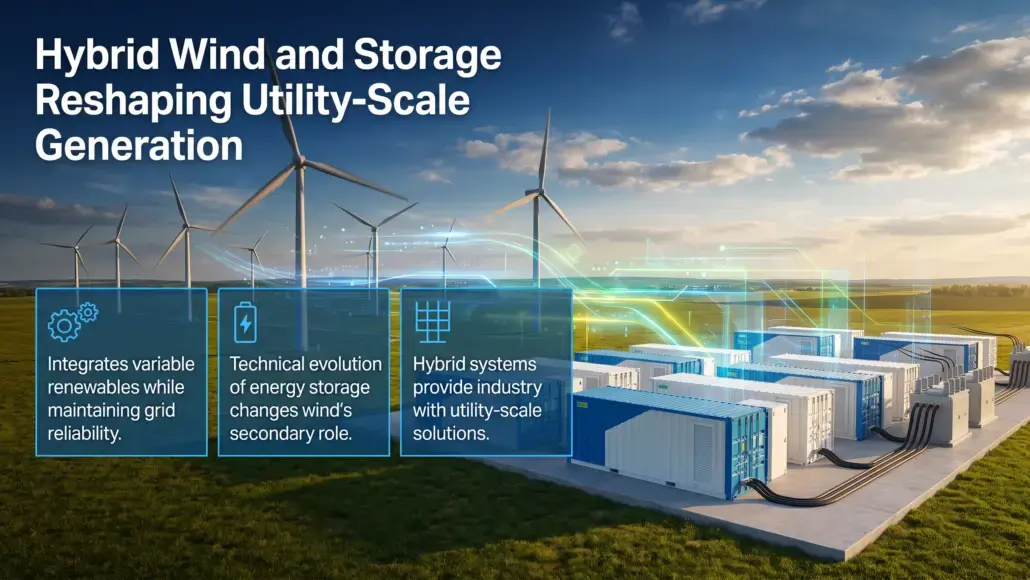

The transformation of the global power sector is defined by the need to integrate high levels of variable renewable energy while maintaining the absolute reliability of the grid. For decades, wind energy was seen as a secondary resource, limited by its intermittency and the lack of control over its output. However, the technical evolution of energy storage is changing this reality. The implementation of hybrid wind and storage reshaping utility-scale generation is providing the industry with the mechanical and the digital tools needed to turn variable wind power into a predictable and dispatchable asset. By combining wind turbines with large-scale battery systems, developers can ensure a more stable and resilient energy supply that meets the rigorous requirements of modern power systems.
Central to this advancement is the ability to decouple the generation of electricity from its immediate consumption. In a traditional wind farm, the power output is entirely dependent on the speed of the wind, often leading to surpluses when demand is low and deficits when the grid is under stress. Hybrid wind and storage reshaping utility-scale generation addresses this by utilizing advanced energy management systems to charge batteries during periods of high wind and low demand. This energy can then be released back into the grid during peak hours or when the wind drops, effectively smoothing the output and for providing a more reliable foundation for the energy transition.
Enhancing Grid Flexibility and Reducing Energy Curtailment
The primary benefit of utilizing an integrated hybrid model is the significant improvement in the flexibility of the energy supply. In many regions, wind farms are forced to curtail their production when the grid is congested or when the supply exceeds the current demand. This results in the loss of clean energy and a reduction in the economic return for the project. Hybrid wind and storage reshaping utility-scale generation mitigates these risks by providing a local destination for the excess power. This ensures that the organization can capture every megawatt-hour produced, improving the overall efficiency and the financial performance of the facility.
Furthermore, the integration of storage allows the hybrid plant to participate in ancillary service markets, providing frequency regulation and voltage support to the grid. These services are essential for maintaining the balance of the power system, especially as traditional thermal plants are retired. The ability to respond to grid signals in milliseconds allows hybrid wind and storage to provide a level of technical precision that exceeds conventional generators. The move toward a more integrated and flexible energy model is a hallmark of the modern industrial sector, where the focus is on achieving the highest possible standards of operational resilience through the use of intelligent automation.
Strategic Asset Management and Dispatchability Innovation
The success of any hybrid project depends on the sophisticated coordination of the generation and the storage assets. This involves the use of high-fidelity digital models and predictive analytics to optimize the charging and the discharging schedules based on weather forecasts and market prices. Hybrid wind and storage reshaping utility-scale generation ensures that the energy is delivered to the market when it is most valuable, providing a more attractive return for the investors while supporting the stability of the grid. This focus on dispatchability is what allows renewable energy to compete with traditional baseload power sources in even the most demanding energy markets.
Furthermore, the shared use of electrical infrastructure, such as substations and transmission lines, reduces the overall capital cost and the environmental footprint of the project. By designing the wind and the storage components as a single, unified system, developers can achieve a higher level of technical efficiency. The move toward more professional and standardized engineering practices is what earns the trust of municipal planners and institutional investors alike, providing a secure foundation for the next generation of utility-scale energy projects. The focus remains on achieving the best possible balance between operational speed and the physical integrity of the manufactured components.
Quality Assurance and the Longevity of Hybrid Systems
The maintenance of high-performance energy systems requires a fundamental shift in the approach to quality control and asset management. In a hybrid environment, the performance of the battery system is as critical as the performance of the wind turbines. Hybrid wind and storage reshaping utility-scale generation utilizes comprehensive monitoring tools to track the health and the efficiency of the storage cells in real-time. This data-driven approach allows for the identification of subtle signs of degradation, ensuring that proactive maintenance can be performed before a failure occurs. This level of technical sophistication is essential for protecting the long-term economic viability of the facility.
Furthermore, the integration of thermal management systems and advanced fire protection ensures the safety of the facility and the surrounding community. As battery sizes continue to grow, the management of the physical risks associated with large-scale storage is a primary concern for developers and regulators. The move toward more professional and secure operating environments is a hallmark of the modern packaging and processing industries, and the role of hybrid technology in supporting this transition is indisputable. The commitment to technical excellence in safety and quality is what will define the success of these programs in the coming years, ensuring that the next generation of energy storage is both safe and effective for every organization that needs it.
Looking ahead, the coordination of global supply chains and the adoption of shared digital platforms will be essential for further improving the productivity of the sector. By breaking down the silos that have traditionally separated the wind and the battery industries, the sector can leverage a much larger pool of data to identify new opportunities and avoid redundant work.