





















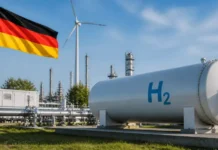


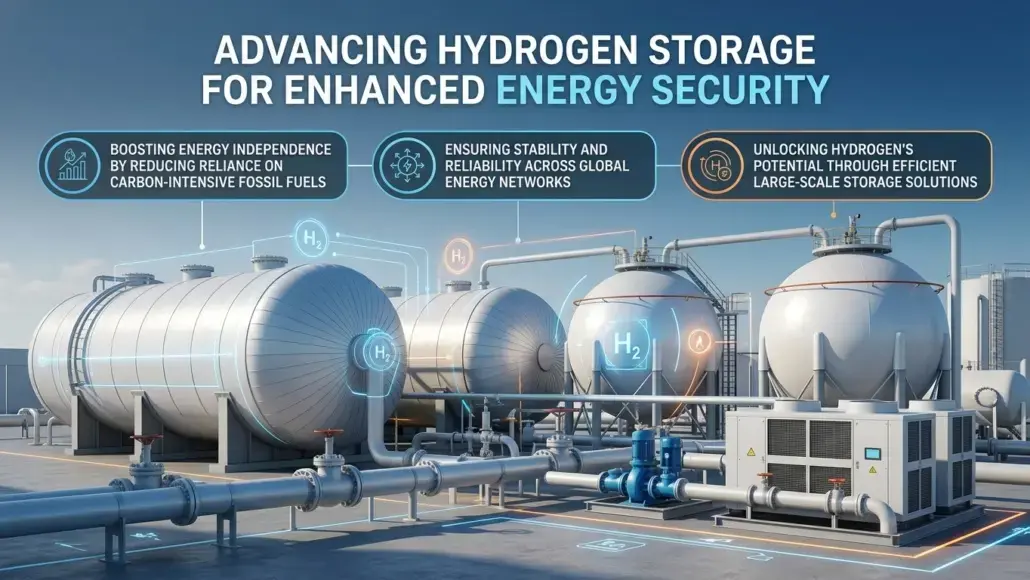

The global energy landscape is currently undergoing a transformation of unprecedented scale. As nations strive to decouple their economies from carbon-intensive fossil fuels, the focus has shifted toward versatile energy carriers that can provide stability, reliability, and autonomy. Hydrogen has emerged as a frontrunner in this transition, yet its potential is inextricably linked to our ability to store it efficiently and at scale. Breakthroughs in advancing hydrogen storage for energy security are no longer just academic pursuits; they are the bedrock upon which a resilient, low-carbon future is being built. By addressing the physical and economic barriers to storage, these innovations are ensuring that hydrogen can serve as a dependable strategic reserve, shielding economies from the volatility of international fuel markets and the intermittency of weather-dependent power sources.
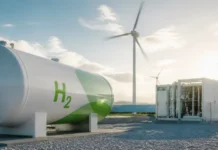
The fundamental challenge with hydrogen lies in its low volumetric energy density. While it carries significant energy by mass, its gaseous form at standard temperature and pressure occupies a vast amount of space. Historically, this necessitated high-pressure compression or cryogenic liquefaction both of which are energy-intensive and pose logistical hurdles. However, the recent shift toward more sophisticated storage mediums is changing the narrative. From the utilization of massive underground geological formations to the development of advanced material-based systems, the industry is finding ways to make hydrogen a dense and accessible energy asset. This evolution is critical for energy security, as it allows for the long-term seasonal storage of energy that was previously impossible with traditional battery technologies.
The Strategic Role of Subsurface Geological Storage
When considering the sheer volume of energy required to sustain a modern industrial economy, small-scale storage solutions fall short. This is where geological storage breakthroughs come into play. Underground salt caverns have long been used for natural gas, but their application for pure hydrogen is a relatively recent frontier that is rapidly expanding. These caverns provide a hermetically sealed environment capable of holding thousands of tons of hydrogen at high pressure. This scale is vital for advancing hydrogen storage for energy security because it enables a nation to maintain a “strategic hydrogen reserve,” similar to strategic petroleum reserves, which can be tapped during periods of peak demand or supply chain disruptions.
The geological stability of salt formations ensures that hydrogen can be stored for months or even years with minimal leakage. This seasonal storage capability is the missing link in the renewable energy puzzle. During summer months, when solar production is at its peak, excess electricity can be used to power electrolyzers, with the resulting hydrogen pumped into these caverns. In the winter, when demand rises and renewable output potentially dips, this stored hydrogen can be converted back into electricity or used directly in industrial processes. The security provided by this buffer cannot be overstated; it transforms volatile renewable energy into a baseload-capable resource that can sustain a grid independently of external geopolitical influences.
Diversifying Geological Options Beyond Salt
While salt caverns are the gold standard, they are geographically limited to specific regions. Breakthrough research is now exploring the use of depleted oil and gas reservoirs and deep saline aquifers for hydrogen storage. These formations are far more common globally, potentially democratizing the benefits of large-scale storage. The primary technical hurdle involves the reactivity of hydrogen with residual hydrocarbons and indigenous microbes. However, advanced monitoring and reservoir engineering techniques are now being deployed to mitigate these risks. By unlocking these diverse geological assets, countries without salt deposits can still achieve a high degree of energy sovereignty, further advancing hydrogen storage for energy security on a global scale.
Material-Based Storage and the Shift to Solid-State
For applications where geological storage is impractical, such as decentralized industrial sites or transport hubs, material-based storage is providing a revolutionary alternative. The focus here is on moving away from high-pressure tanks toward solid-state storage. Metal hydrides are at the forefront of this breakthrough. These materials act like sponges, absorbing hydrogen atoms into their crystalline structure at relatively low pressures and releasing them when heat is applied. This method is inherently safer and more compact than gas compression, making it ideal for localized energy backup systems.
The security implications of solid-state storage are profound. By reducing the risks associated with high-pressure gas, these systems can be integrated into urban environments and critical infrastructure without the extensive “exclusion zones” required for traditional tanks. Furthermore, the longevity of these materials means that energy can be stored indefinitely without the gradual boil-off associated with liquid hydrogen. As researchers develop new alloys that can operate at lower temperatures and with faster kinetics, the cost-effectiveness of these systems is improving. This makes it feasible for hospitals, data centers, and telecommunications towers to maintain their own hydrogen-based emergency power supplies, significantly enhancing the resilience of the societal backbone.
Liquid Organic Hydrogen Carriers and the Global Trade Map
Another pillar of the storage revolution is the development of Liquid Organic Hydrogen Carriers (LOHC). These are chemical compounds that can absorb and release hydrogen through reversible catalytic reactions. The genius of LOHC technology is that the carrier itself remains a liquid at ambient conditions, meaning it can be transported and stored using existing petroleum infrastructure tankers, pipelines, and storage tanks. This avoids the massive capital expenditure required for specialized hydrogen distribution networks.
Advancing hydrogen storage for energy security via LOHCs allows for the creation of a global hydrogen market that is as flexible as the current oil trade. A country with abundant wind or solar resources can convert that energy into hydrogen, “load” it onto an LOHC, and ship it halfway across the world. Upon arrival, the hydrogen is “unloaded,” and the carrier liquid is sent back to be reused. This closed-loop system provides a stable supply chain that is resistant to the physical limitations of gas transport. For energy-importing nations, this means a wider variety of potential suppliers, reducing reliance on any single region or transport route and thus strengthening their strategic position.
Integrating Storage into a Resilient Grid Architecture
The ultimate goal of these breakthroughs is the creation of a synchronized energy system where storage acts as the balancing mechanism. The integration of advanced hydrogen storage into the electrical grid allows for “peak shaving” and “load leveling” on a scale previously thought impossible. When the grid is under stress, hydrogen-fueled turbines or fuel cells can provide instantaneous power, drawing from the vast reserves built up during periods of surplus. This capability reduces the need for carbon-heavy “peaker plants” and provides a reliable insurance policy against grid failures.
Beyond electricity, the role of hydrogen storage in industrial decarbonization is a key component of energy security. Industries like steel and cement manufacture require high-grade heat and constant chemical feedstocks. Traditional electrification is often insufficient for these processes. By advancing hydrogen storage for energy security, these industries can transition to green hydrogen without fearing production halts due to energy shortages. A steady, stored supply of green hydrogen ensures that the industrial output of a nation remains stable, protecting jobs and economic growth even during a broader energy crisis.
Conclusion: A Future Anchored in Storage Stability
The journey toward net zero is not merely a race to install more solar panels or wind turbines; it is a quest to master the art of energy management. The breakthroughs we are witnessing today in the realm of hydrogen storage are the final pieces of the puzzle. By enabling seasonal storage, facilitating global trade through LOHCs, and providing safe, compact solid-state options, we are creating a multifaceted energy architecture that is far more resilient than the one it replaces.
Advancing hydrogen storage for energy security is a national imperative for any country seeking to thrive in the 21st century. It provides the freedom to transition to renewables without sacrificing the reliability that modern life demands. As these technologies move from pilot projects to utility-scale deployments, the fear of energy scarcity will be replaced by a new paradigm of abundance and stability. The storage revolution is here, and it is the ultimate guarantor of our clean energy future.