
















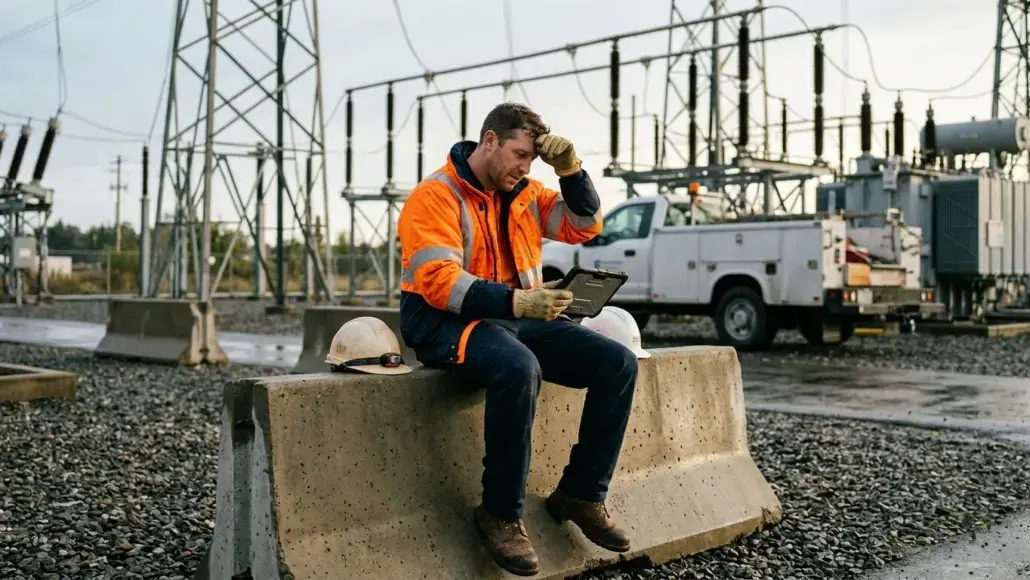

In the power sector, where the work is often physically demanding, technically complex, and performed around the clock, the risk of fatigue is a constant and pervasive threat. Fatigue is not merely “being tired”; it is a physiological state of reduced mental or physical performance capability resulting from sleep loss or extended wakefulness. In high-consequence environments like electrical transmission and distribution, the cognitive impairments associated with fatigue such as slowed reaction times and impaired judgment can lead to catastrophic errors. Therefore, utility workforce fatigue management has evolved from a matter of personal responsibility to a sophisticated, data-driven discipline utilizing a wide array of digital tools to protect the workforce.
The traditional approach to fatigue management often relied on rigid shift limits and the “toughness” of the worker. However, these methods fail to account for the cumulative nature of sleep debt or the individual variability in how people respond to exhaustion. Modern utility workforce fatigue management leverages predictive analytics, wearable sensors, and smart scheduling software to provide a more dynamic and personalized safety net. By transforming fatigue from an invisible hazard into a measurable data point, utilities can proactively intervene to ensure that every worker on the jobsite is cognitively fit for duty.
The Science of Sleep and the Failure of Traditional Shift Limits
To understand why digital tools are necessary, one must first understand the biological reality of sleep. Human alertness is governed by the circadian rhythm our internal body clock and the homeostatic sleep drive. When we work against these systems, such as during night shifts or extended emergency restoration events, our cognitive performance degrades significantly. Research shows that 17 hours of wakefulness results in an impairment similar to a blood alcohol concentration (BAC) of 0.05%, and 24 hours without sleep is equivalent to a BAC of 0.10%. In the utility industry, where workers are handling energized lines at height, these levels of impairment are unacceptable.
Traditional shift limits (e.g., maximum 16 hours of work) are a good start, but they are insufficient because they don’t account for what happens during the rest period. A worker might have 8 hours off, but if they were caring for a sick child or were unable to sleep due to daytime noise, they return to work just as fatigued as when they left. Utility workforce fatigue management through digital tools addresses this “rest quality” gap by utilizing biometric sensors and self-assessment apps that provide a more accurate picture of a worker’s actual readiness. This move from “hours worked” to “readiness to perform” is a fundamental shift in occupational safety.
Predictive Analytics and Biomodel-Based Scheduling
The frontline of digital fatigue management is the use of bio-mathematical models of fatigue. These are sophisticated algorithms that predict alertness levels based on previous sleep and work patterns. By integrating these models into workforce management software, utility operators can design schedules that minimize “circadian desynchrony” and maximize recovery time. This predictive capability allows for utility workforce fatigue management that identifies high-risk periods such as the third consecutive night shift and automatically suggests mitigations like additional breaks or “napping protocols.”
These digital tools also allow for a more nuanced approach to emergency restoration. During a major storm, the pressure to restore power is intense. Predictive analytics can help safety managers determine which crews are nearing their cognitive limits and need to be rotated out, even if they haven’t reached their legal shift limit. By visualizing the “fatigue risk” across the entire deployment, leadership can make informed decisions that balance the need for speed with the non-negotiable requirement for safety. This data-driven oversight is a key component of industrial safety and operational resilience.
Wearable Monitoring and Real-Time Alerting
Wearable technology is providing the most direct and real-time intervention in utility workforce fatigue management. Smartwatches, rings, and even specialized headbands can track sleep duration, sleep quality, and heart rate variability all of which are indicators of physiological recovery. Some advanced systems use “EEG-based” (electroencephalogram) sensors in hats or helmets to monitor brainwave activity, providing an immediate alert if a worker begins to experience “microsleeps” or significant cognitive lapses while on the job.
In addition to physiological monitoring, many utilities are deploying “driver-facing” fatigue cameras in their fleet vehicles. These systems use artificial intelligence to detect signs of drowsiness, such as frequent blinking, eye closure, or head-nodding. If a driver shows signs of falling asleep, the system provides a haptic or audible alert and can even notify a dispatcher. Since driving to and from a jobsite is often the most dangerous part of a utility worker’s day, these digital safety tools are essential for preventing off-site tragedies. The integration of these various data streams into a single dashboard allows for a holistic view of worker wellbeing.
Fostering a Culture of “Readiness” and Self-Reporting
While digital tools provide the data, they must be supported by a culture that values and acts on that information. Effective utility workforce fatigue management involves empowering workers to self-report their fatigue levels without fear of reprisal. Many utilities now use mobile apps where workers perform a quick “reaction-time test” or answer a series of questions about their alertness before starting their shift. If the app indicates a high fatigue risk, the worker and supervisor work together to adjust the day’s tasks perhaps assigning the worker to ground-level, lower-risk duties rather than high-climbing or live-line work.
This collaborative approach to fatigue management reduces the stigma associated with being “tired” and reinforces the idea that cognitive fitness is a professional requirement. It also provides the organization with valuable data on the root causes of fatigue. If the data shows that a particular region or job type is consistently showing high fatigue scores, the utility can investigate systemic issues like travel distances, staffing levels, or lighting conditions. This continuous feedback loop is the essence of modern occupational safety, ensuring that the fatigue management program is constantly evolving to meet the needs of the workforce.
The Role of Nutrition, Lighting, and “Napping” Protocols
Digital tools also help manage the environmental and physiological factors that influence alertness. Smart lighting systems in substations or control rooms can adjust their color temperature to mimic natural daylight, helping to suppress melatonin and keep workers alert during night shifts. Furthermore, digital fatigue management programs often include educational modules on nutrition and “sleep hygiene,” helping workers understand how their choices outside of work impact their safety on the job.
One of the most effective, yet culturally challenging, mitigations is the “strategic nap.” Research has shown that a 20-minute “power nap” can significantly restore alertness for several hours. Digital tools can help manage these napping protocols by identifying the best times for breaks and tracking who has had their “rest opportunity.” While it may seem counterintuitive to allow workers to sleep on the job, in the context of utility workforce fatigue management, it is a scientifically sound safety intervention that prevents much more serious incidents. By formalizing and managing these breaks through digital platforms, utilities can ensure they are used effectively and fairly across the team.
Conclusion: The Future of Fatigue-Proof Operations
As we move toward a future of increasingly complex and demanding power operations, the management of human fatigue will only grow in importance. The integration of artificial intelligence, biometric sensors, and predictive scheduling is creating a new standard of care for the utility workforce. We are moving toward a future of “fatigue-proof” operations, where the system itself acts as a safeguard against human exhaustion. This is not just about preventing accidents; it is about respecting the biological limits of our people and providing them with the support they need to perform their vital work at the highest level.
In conclusion, utility workforce fatigue management through digital tools is a cornerstone of the modern industrial safety strategy. By embracing the science of sleep and the power of data, the power industry is protecting its most valuable asset its people. The journey toward a safer, more alert workforce is a continuous process of measurement and adaptation. Through the diligent application of digital safety tools and a commitment to worker wellbeing, we can ensure that the men and women who keep our lights on are never in the dark about their own safety. The goal is simple: to ensure that every worker is as sharp and safe at the end of their shift as they were at the beginning.