













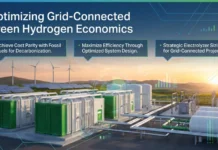

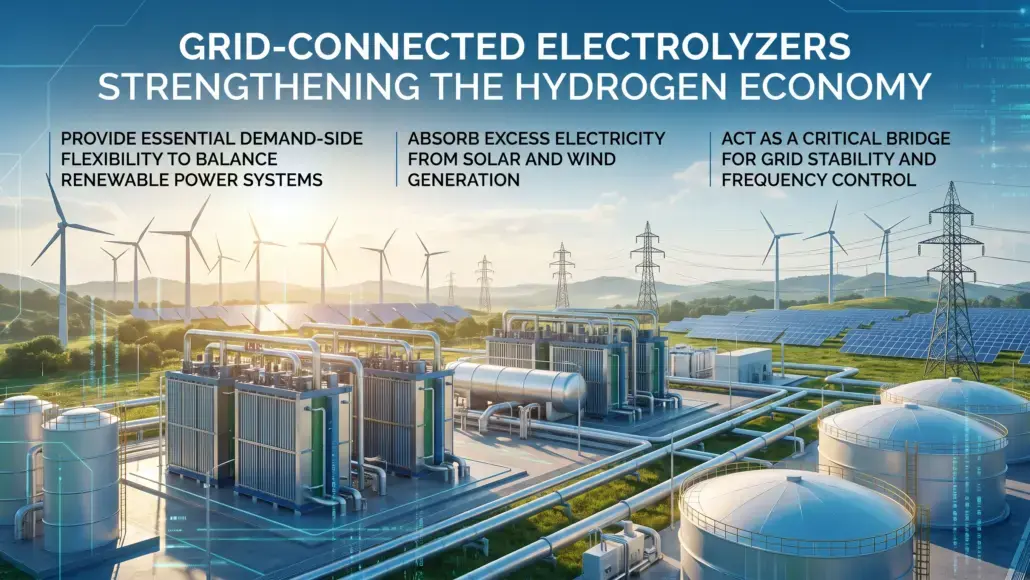

Utility operators are currently commissioning large-scale grid-connected electrolyzers, strengthening the hydrogen economy to provide the essential demand-side flexibility required to balance a renewable-heavy power system. As the penetration of solar and wind generation increases, the electricity grid faces significant volatility, necessitating new methods for absorbing excess energy and maintaining frequency stability. Grid-connected electrolysis assets serve as a critical bridge between the electricity and chemical sectors, allowing for the conversion of variable power into a high-density energy carrier. This integration is no longer a theoretical pursuit but a core strategic priority for energy departments seeking to decarbonize industrial processes while ensuring the resilience of the national power network. The deployment of these assets at scale allows for the creation of a liquid hydrogen market, supported by the stable and low-cost energy provided by curtailed renewable resources. By functioning as a dynamic and controllable load, these systems enhance the overall efficiency of the energy transition and provide a reliable foundation for a global hydrogen economy.
Technical Integration and Grid Balancing Mechanisms
The technical foundation of grid-connected electrolyzers strengthening the hydrogen economy lies in the ability of modern stacks to react to grid signals in near real-time. Power conversion systems, including advanced rectifiers and grid-forming inverters, allow the electrolyzer to modulate its power consumption in response to frequency deviations or voltage fluctuations. This rapid response capability is particularly valuable for providing primary frequency control, where the asset must react within seconds to prevent a collapse in grid stability. Unlike traditional industrial loads that require steady-state operation, modern water electrolysis plants are engineered for dynamic cycling, enabling them to participate in ancillary service markets. This participation provides a dual benefit: it generates additional revenue for the plant operator while providing the grid operator with a highly responsive balancing tool. The synchronization of these assets with the wider utility network requires sophisticated communication protocols and digital control platforms that can manage the complex interactions between the electricity market and the hydrogen production schedule.
Economic Drivers and Revenue Stack Optimization
The financial viability of grid-connected electrolyzers is increasingly dependent on a multi-stream revenue model that combines hydrogen sales with grid service payments. In many power markets, grid operators offer substantial premiums for fast frequency response and demand-side management, which can significantly offset the operational costs of the electrolyzer. Additionally, by operating during periods of low electricity prices or negative pricing, electrolyzer plants can secure the low-cost energy needed to produce competitive green hydrogen. This economic synergy is a fundamental driver for the expansion of the clean energy sector, as it improves the bankability of both the renewable generation projects and the electrolysis facilities. Advanced market optimization software is now being used to predict price signals and grid needs, allowing for the automated dispatch of the electrolyzer to maximize the total value of the energy consumed. As carbon pricing mechanisms become more prevalent, the environmental value of the hydrogen produced will further strengthen the business case for grid-connected installations, providing a stable long-term return for institutional investors.
Infrastructure Development and Regional Hydrogen Hubs
The large scale deployment of grid-connected electrolyzers is facilitating the creation of regional energy hubs where production, storage, and consumption are co-located. These hubs act as central nodes in a multi-vector energy system, integrating high-voltage transmission lines with hydrogen pipelines and storage caverns. By siting electrolysis plants in proximity to both major renewable generation sites and large industrial consumers, developers can minimize transmission losses and infrastructure costs. This regional approach also enhances the resilience of the local grid by providing a significant buffer of stored energy that can be deployed during periods of grid stress. Additionally, the development of these hubs stimulates the growth of local hydrogen economies, creating new jobs and economic opportunities in the manufacturing and service sectors. The coordination between utilities, industrial partners, and regional governments is essential for ensuring that the necessary infrastructure is built in a timely and efficient manner. By treating the electrolyzer as a cornerstone of the regional energy network, the power generation sector can build a more integrated and sustainable energy future.
Safety Protocols and Environmental Impact Mitigation
The safe operation of electrolyzers requires the implementation of comprehensive safety protocols and environmental impact mitigation strategies. Hydrogen is a highly flammable gas with a wide range of explosive limits, necessitating specialized engineering controls such as advanced leak detection systems, redundant pressure relief valves, and explosion-proof electrical equipment. In large scale utility installations, the design of the facility must also account for the potential for hydrogen embrittlement in the surrounding infrastructure. To manage these risks, engineers use high-strength alloys and specialized coatings that are specifically designed for hydrogen service. Additionally, the training of personnel in hydrogen handling and emergency response is a critical component of a reliable safety culture. Beyond physical safety, the industry is focused on reducing the environmental footprint of hydrogen production by using sustainable water sources and minimizing the use of rare earth metals in the stack components. Life cycle assessments are conducted to evaluate the total impact of the plant, from construction to decommissioning, ensuring that the hydrogen produced meets the highest standards of sustainability. By prioritizing safety and environmental responsibility, the power sector can maintain public confidence in hydrogen technology and ensure its successful integration into the global energy mix.
Digital Twins and AI Driven Operation Optimization
The efficiency of grid-connected electrolyzers is further enhanced through the use of digital twins and AI-driven operation optimization. A digital twin is a virtual model of the physical electrolyzer plant that is updated in real time with data from thousands of sensors. This model allows operators to simulate the performance of the plant under different grid conditions and identify potential issues before they occur. AI-driven algorithms can then use this data to optimize the production schedule, balancing the needs of the grid with the physical limits of the electrolyzer stacks. This predictive capability is essential for managing the inherent complexities of a dynamic energy system and ensuring that the plant operates at peak efficiency. For example, the system can predict when the grid will require additional frequency response and adjust the electrolyzer load accordingly, while also monitoring the degradation of the stack to extend its operational life. The integration of these digital tools provides a high level of transparency and control, allowing for a more precise management of the energy system. As the hydrogen economy grows, the use of advanced digital intelligence will be a standard requirement for all grid-connected assets, ensuring that they remain at the forefront of technical innovation and operational excellence. By combining physical assets with virtual models, the power generation sector can achieve a level of reliability and flexibility that was previously unimaginable.
Material Science and Long Term Reliability Standards
Ensuring the long term reliability of grid-connected electrolyzers and requires continuous innovation in material science and engineering standards. The intensive cycling associated with grid balancing duties places unique stresses on the catalysts, membranes, and bipolar plates within the electrolyzer stack. Frequent ramping can lead to accelerated degradation if the materials are not specifically designed for dynamic operation. Researchers are currently developing new electrode coatings and membrane compositions that offer superior resistance to corrosion and mechanical fatigue. Additionally, the establishment of rigorous testing and qualification procedures is essential for ensuring that new electrolysis systems meet the high standards of availability and longevity required by utility operators. Digital twin technology is also being used to monitor the health of the assets in real time, enabling predictive maintenance that reduces downtime and extends the operational life of the plant. By prioritizing material resilience and technical excellence, the industry can ensure that grid-connected electrolyzers remain a dependable and cost-effective component of the energy system for decades to come.
Regulatory Frameworks and Market Integration Policies
The successful expansion of grid-connected electrolyzers is heavily dependent on the development of supportive regulatory frameworks and clear market integration policies. Historically, many grid codes and market rules were designed for centralized thermal generation, creating barriers for the participation of demand-side assets like electrolyzers. Policymakers are now working to update these regulations to allow for technology-neutral participation in all balancing and capacity markets. This includes the development of clear standards for the measurement and verification of the services provided by electrolysis plants, ensuring that they are fairly compensated for their contribution to grid stability. Additionally, the introduction of green hydrogen mandates and tax credits, such as those seen in the European Union and the United States, is providing a powerful incentive for the early adoption of these technologies. The harmonization of these policies across national borders will be essential for creating a global hydrogen market that is both transparent and efficient. By creating a stable and predictable regulatory environment, governments can attract the private investment needed to scale the hydrogen economy to the levels required to meet global climate targets.
Future Perspectives on System Level Efficiency
Looking forward, the continued optimization of grid-connected electrolyzers will focus on improving the overall system-level efficiency of the energy transition. This includes the development of high-temperature electrolysis systems that can utilize waste heat from industrial processes or power generation, significantly reducing the amount of electricity required for hydrogen production. Additionally, the integration of reversible fuel cells, which can switch between electrolysis and power generation modes, offers a highly compact and flexible solution for long-duration energy storage. As these technologies mature and the cost of equipment continues to fall, the role of hydrogen as a primary energy vector will become even more prominent. The combination of physical innovation and digital intelligence will ensure that the power sector remains at the forefront of the global energy transition, providing the clean and reliable energy needed to power the modern economy. By treating the electrolyzer not just as a producer of fuel, but as a multifunctional tool for grid management, the industry can achieve a truly sustainable and resilient energy future that benefits both consumers and the environment.