






















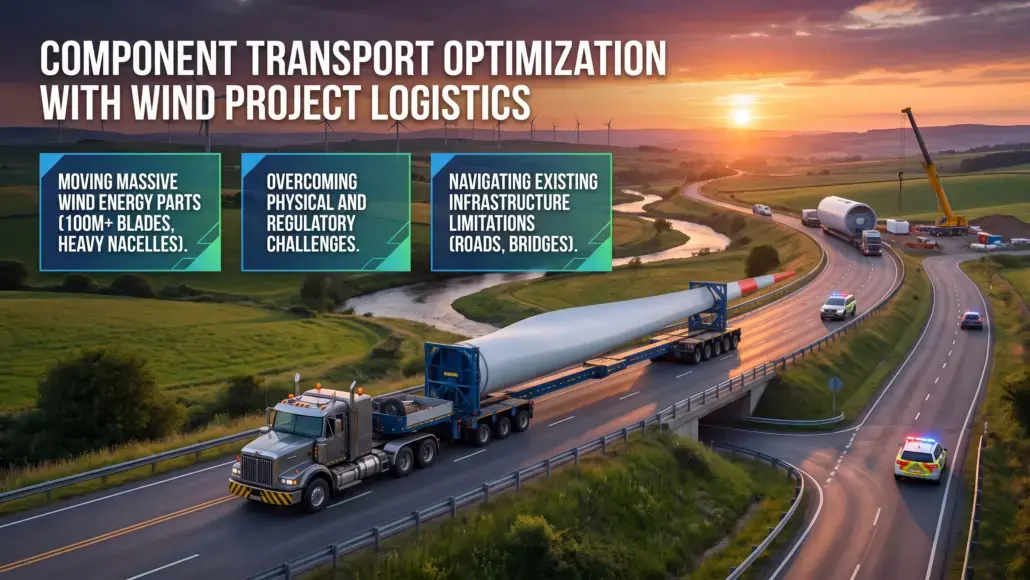

The deployment of large scale wind energy projects requires the transport of massive components, including blades that can exceed 100 meters in length and nacelles that weigh hundreds of tonnes. Effective wind project logistics is a critical discipline that addresses the physical and regulatory challenges of moving these oversized loads from the factory to the project site. The existing transport infrastructure, including roads, bridges, and tunnels, was often not designed to accommodate such extreme dimensions, necessitating a highly specialized approach to route planning and vehicle selection. By identifying and mitigating these infrastructure constraints, logistics providers can ensure the safe and timely delivery of the components that are essential for power generation.
Overcoming these challenges often involves the use of specialized trailers and transport equipment that can adjust their height and width to move through tight spaces. In some cases, temporary modifications to the infrastructure itself may be required, such as the removal of street furniture or the reinforcement of bridges. The coordination of these activities requires a high level of technical expertise and a deep understanding of local regulations. The use of digital twins and 3D simulations allows logistics teams to “test” a route before the actual transport takes place, identifying potential bottlenecks and developing contingency plans. This proactive approach to risk management is essential for maintaining the momentum of large scale energy projects.
The regulatory environment for oversized load transport is also a significant factor in project logistics. Each jurisdiction has its own rules regarding permits, escort vehicles, and travel times, creating a complex web of requirements that must be managed. Standardizing these processes across different regions is a major goal for the industry, as it would reduce the administrative burden on developers and lead to more predictable project timelines. By working closely with government agencies and transport authorities, wind project logistics can help shape a more supportive and efficient regulatory framework for the transport of renewable energy infrastructure.
Specialized Vessel Utilization for Offshore Component Delivery
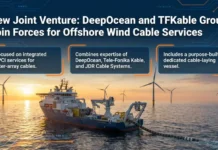
Offshore wind projects present a unique set of logistical challenges, requiring the transport of components across vast distances of open water and their installation in challenging marine environments. Modern wind project logistics relies heavily on the use of specialized vessels, including heavy lift ships, jack up rigs, and purpose built installation vessels. These ships are equipped with high capacity cranes and dynamic positioning systems that allow them to operate safely and accurately in high sea states. The availability of these vessels is a key factor in the success of offshore projects, as any delay in their deployment can lead to significant increases in project costs.
The logistics of offshore delivery involve a complex coordination of vessel schedules, port activities, and weather windows. Components are often transported from the factory to a staging port, where they are assembled into larger units before being loaded onto the installation vessel. This two stage process reduces the time the specialized ship must spend at the site, improving its efficiency and reducing the overall cost of the installation. The use of feeder vessels, which transport components from the port to the installation site, is another strategy for optimizing vessel utilization. This allows the primary installation ship to remain at the site, focusing on its core task of turbine assembly.
The development of new vessel technologies, such as those powered by clean fuels or equipped with advanced automation systems, is also improving the sustainability and efficiency of offshore logistics. By reducing the carbon footprint of the transport process, the industry can further enhance its environmental credentials while maintaining high levels of technical performance. The ongoing investment in the global offshore vessel fleet reflects a broader commitment to wind project logistics, ensuring that the necessary resources are available for the massive deployments planned for the coming decades.
Route Planning Analytics for Multi Modal Supply Chains
The supply chain for wind turbine components is a global network that involves multiple modes of transport, including sea, rail, and road. Advanced wind project logistics utilizes advanced route planning analytics to coordinate these diverse activities and identify the most efficient path for every component. By analyzing data on transport costs, transit times, and potential risks, logistics teams can develop highly optimized delivery schedules that minimize the impact of disruptions. This data driven approach to supply chain management is essential for maintaining the financial viability of large scale wind projects.
Multi modal transport requires a high level of coordination between different providers and authorities. A single blade might travel by ship from a factory in Europe to a port in North America, then by rail to a regional hub, and finally by truck to the project site. Each of these handoffs presents a potential risk of delay or damage, requiring careful management and monitoring. The use of real time tracking systems and blockchain technology provides a transparent and secure record of every component’s journey, ensuring that all parties have a clear understanding of the project’s status. This level of visibility is highly valued by investors and insurers, who seek to minimize the risks associated with the supply chain.
The integration of environmental data into the route planning process is also a growing trend in the industry. By considering factors such as weather patterns and seasonal variations in water levels, logistics teams can avoid high risk periods and ensure a more stable delivery schedule. For example, transporting components during a period of low river levels might require the use of smaller, less efficient barges, whereas a slight delay could allow for the use of a larger vessel. By balancing these technical and economic considerations, wind project logistics can build a more resilient and efficient supply chain that supports the long term goals of the energy transition.
Modular Component Handling for Enhanced Transit Efficiency
The design of wind turbine components is also evolving to meet the challenges of transport and logistics. Modern wind project logistics is increasingly focused on the use of modular designs, where large components are broken down into smaller, more manageable units for transit. This modular approach allows for the use of more standard transport equipment and reduces the need for expensive infrastructure modifications. Once at the project site, these modules are quickly reassembled into the final component, minimizing the time and labor required for installation.
Modular handling also improves the safety of the transport process. Smaller units are easier to secure and less susceptible to the forces of wind and motion during transit. This reduces the risk of damage to the components and improves the safety of the personnel involved in the handling process. The development of standardized lifting and securing systems for these modules further enhances the efficiency of the logistics chain, ensuring that every component can be handled quickly and safely by all participants.
The transition toward modular design requires a high level of collaboration between turbine manufacturers and logistics providers. Engineers must ensure that the modular joints do not compromise the structural integrity or performance of the final component, while logistics experts must provide feedback on the optimal dimensions and weights for transport. This integrated approach to design and logistics is a major factor in the improving economics of the wind energy sector, as it significantly reduces the cost and complexity of the supply chain. As turbines continue to grow in size, the importance of these modular solutions will only increase, providing the flexibility needed for the next generation of wind energy projects.
Financial Impact of Logistical Optimization on Project Timelines
The logistics of a wind energy project can account for a significant portion of its total cost, and any delay in the delivery of components can have a major financial impact. Effective wind project logistics is therefore a key driver of project profitability, as it ensures that the project remains on schedule and within budget. By optimizing every aspect of the supply chain, from route planning to vessel utilization, developers can minimize the risk of costly overruns and maximize the return on investment for their stakeholders.
The impact of logistical efficiency extends to the financing and insurance costs of the project. Lenders and insurers are more likely to provide favorable terms to projects that have a clear and well managed logistics plan. The use of standardized protocols and advanced analytics provides the transparency and certainty that these financial institutions require, reducing the overall risk profile of the development. This financial stability is essential for attracting the large scale capital needed for the energy transition, ensuring that the industry remains a safe and attractive destination for global investment.
In addition to the direct financial benefits, logistical optimization also supports the broader goals of the renewable energy sector. By reducing the time it takes to move from concept to operation, the industry can accelerate the deployment of clean energy and contribute to the global effort to combat climate change. The ability to deliver projects quickly and efficiently is a major competitive advantage in the global energy market, positioning the wind sector as a leader in the transition to a sustainable and resilient power grid. Through a commitment to technical excellence and operational efficiency, the industry can ensure that its projects are not only technically and financially sound but also a major force for positive change in the world.