













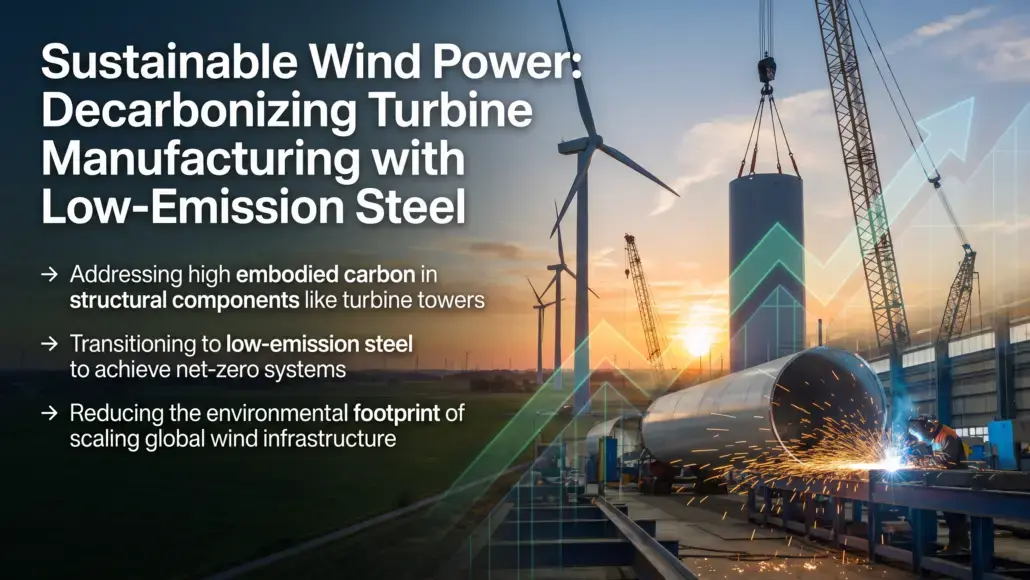

As the global wind industry scales, the focus on sustainability includes the carbon footprint of the manufacturing process. Much of the embodied carbon in a turbine is in structural components like the tower, primarily composed of steel. To achieve net-zero systems, the power generation sector must address emissions from high-tonnage materials. The transition to low-emission steel is a pathway for reducing the environmental impact of wind infrastructure. The steel industry is a large emitter of carbon dioxide due to coal-fired blast furnaces. However, new technologies replace fossil fuels with green hydrogen. By integrating low-emission steel into the wind turbine supply chain, developers can lower the greenhouse gas emissions of their projects. This shift is a strategic response to regulatory pressure and the demand for sustainable materials. Verify the carbon content of materials is becoming a differentiator in the competitive global market.
Decarbonization Pathways for Wind Industry Material Sourcing
The decarbonization of steel production involves a fundamental shift in both the energy sources and the chemical processes used to transform iron ore into high-strength alloys. One of the most promising pathways for producing low-emission steel for the wind sector is the use of Electric Arc Furnaces powered by renewable energy. Unlike traditional blast furnaces, which require metallurgical coal as both a fuel and a reducing agent, Electric Arc Furnaces can process recycled steel scrap using only electricity. This approach dramatically reduces the direct carbon emissions of the manufacturing process, provided the electricity is sourced from wind, solar, or hydroelectric power. For the wind industry, which generates large volumes of steel scrap during decommissioning, this circular model provides a sustainable loop for material sourcing.
However, the availability of high-quality steel scrap is limited, and many structural components for large-scale turbines require the properties of primary steel. To produce primary low-emission steel, the industry is moving toward the Direct Reduced Iron process using green hydrogen as the reducing agent. In this configuration, hydrogen reacts with the iron ore to remove oxygen, producing water vapor instead of carbon dioxide. The resulting sponge iron is then melted in an Electric Arc Furnace to produce high-grade steel. This hydrogen-based pathway offers a solution for achieving deep decarbonization in the manufacturing of heavy-duty components like turbine towers and nacelle baseplates. As the cost of green hydrogen continues to fall and renewable capacity increases, this technology is expected to become the standard for sustainable steel production.
Integrating carbon capture and storage at existing steel mills provides another transitional pathway for reducing emissions. By capturing the CO2 from blast furnace gases and storing it in geological formations, manufacturers can produce “blue” steel with a significantly lower carbon intensity than traditional products. While this does not eliminate the reliance on fossil fuels, it provides a scalable solution for reducing the emissions of the current global steel fleet while the hydrogen-based infrastructure is being built. For wind turbine manufacturers, the ability to source a mix of recycled, hydrogen-reduced, and carbon-captured steel allows for a flexible and resilient supply chain that can adapt to the evolving environment of sustainable material availability.
Green Hydrogen Integration in Steel Manufacturing Processes
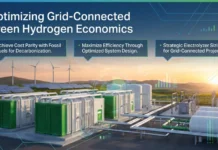
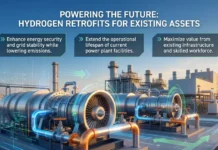
The successful production of low-emission steel at a commercial scale depends on the large-scale availability of green hydrogen. Green hydrogen is produced through the electrolysis of water using renewable electricity, creating a carbon-free fuel that can be used for high-temperature industrial processes. The integration of hydrogen into the steelmaking process requires significant capital investment in new equipment, including electrolyzers, hydrogen storage facilities, and modified furnaces. For the wind industry, there is a natural synergy between large-scale offshore wind projects and the production of green hydrogen, as the excess power from wind farms can be used to generate the fuel needed for the next generation of turbines.
This symbiotic relationship between wind power and steel production creates a “green loop” that strengthens the economic case for both industries. Wind developers can act as both the suppliers of renewable energy and the primary customers for the resulting low-emission steel. This vertically integrated approach helps to mitigate the price volatility associated with both hydrogen and steel, providing a more stable environment for long-term project planning. Additionally, the development of regional hydrogen hubs near industrial ports allows for efficient transport of both the fuel and the finished steel components, reducing the logistical costs.
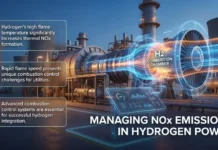
The technical challenges of using hydrogen in steelmaking are being addressed through pilot projects and cross-industry collaborations. Hydrogen has a lower energy density by volume than natural gas, requiring larger storage volumes and more strong compression systems. Additionally, the chemical reactions involved in hydrogen-based reduction are endothermic, meaning they require an external heat source to maintain the necessary temperatures. Engineers are developing advanced burner systems and heat recovery technologies to optimize the energy efficiency of these new processes. By demonstrating the reliability and scalability of hydrogen-integrated steelmaking, the industry is paving the way for a more sustainable future for the entire power generation sector.
Structural Integrity Standards for Recycled Alloy Components
The move toward low-emission steel must not come at the expense of structural integrity or operational safety. Wind turbine components are subject to extreme fatigue loads and harsh environmental conditions, particularly in offshore environments where corrosion is a constant threat. Ensuring that steel produced through new, low-emission processes meets the same rigorous standards as traditional materials is a primary focus for certification bodies and engineering teams. This involves extensive testing of the chemical composition, tensile strength, and fracture toughness of the new alloys to verify their performance under long-term stress.
One concern with increasing the use of recycled steel in Electric Arc Furnaces is the potential for “tramp elements”,small amounts of copper, tin, or other metals,to accumulate in the alloy, affecting its mechanical properties. To manage this risk, steel manufacturers are implementing more sophisticated scrap sorting and purification technologies. These systems use sensors and automated sorting arms to ensure that only the highest quality scrap is used for critical structural components. For the primary steel produced through hydrogen reduction, the challenge is to ensure a consistent and uniform iron content, which is essential for achieving the precise alloying required for high-strength turbine towers.
Standardization of these new sustainable materials is also necessary to provide confidence to the wider industry. International standards for “green steel” are being developed to define the maximum carbon intensity and the minimum material quality required for different applications. By adhering to these standards, wind turbine manufacturers can ensure that their products are both sustainable and reliable. This commitment to quality is essential for maintaining the industry’s reputation for technical excellence and for securing the long-term financing needed for large-scale energy projects. The continued refinement of these standards will ensure that low-emission steel becomes a trusted and indispensable material for the future of power generation.
Lifecycle Analysis of Zero-Carbon Structural Materials
To understand the environmental benefits of low-emission steel, it is necessary to perform a lifecycle analysis that tracks emissions from mining to recycling. This analysis provides a way to compare the carbon footprint of material choices. For many wind projects, the use of low-emission steel in the tower can reduce the total embodied carbon by forty percent. These assessments are increasingly required by regulators as part of the permitting process. By providing a breakdown of the carbon footprint, developers can demonstrate their commitment to sustainability. Lifecycle analysis can reveal hidden environmental impacts, such as water consumption. Addressing these issues is essential for ensuring that the transition to low-emission steel is beneficial for the environment.
The integration of digital product passports and blockchain technology is also improving the transparency of the steel supply chain. These digital tools allow for the tracking of each individual steel component back to its point of origin, providing verified data on its carbon content and manufacturing history. This level of traceability is essential for corporate energy buyers who want to ensure that their renewable energy projects are built with the most sustainable materials possible. By combining rigorous lifecycle analysis with advanced digital tracking, the wind industry is setting a new standard for transparency and accountability in the global manufacturing sector.
Cost-Benefit Analysis of Sustainable Metal Procurement
The transition to low-emission steel involves upfront costs, as new production technologies are more expensive than traditional coal-based processes. A cost-benefit analysis must look beyond the initial price to consider the long-term strategic benefits. One of the primary drivers for sustainable procurement is the avoidance of carbon taxes. As the cost of emitting carbon rises, the price gap between traditional and low-emission steel is expected to close, making the sustainable option attractive.
Additionally, the use of low-emission steel can improve the project’s ability to secure favorable financing terms. Many banks and institutional investors now have strict environmental, social, and governance criteria that favor projects with a lower carbon footprint. By demonstrating a commitment to sustainable sourcing, developers can access a wider pool of capital and potentially lower their borrowing costs. Additionally, the growing demand for “green power” from corporate buyers provides a premium for energy generated by wind farms with a low embodied carbon footprint. These financial incentives are a powerful force for driving the adoption of sustainable materials in the power generation sector.
The long-term resilience of the supply chain is another key factor in the cost-benefit equation. By investing in regional hydrogen hubs and low-emission steel production, the industry can reduce its dependence on volatile global markets for coal and other fossil fuels. This increased energy security provides a more stable foundation for the future growth of the wind sector. As the production of low-emission steel reaches commercial scale and the associated technologies mature, the cost is expected to continue to fall, making it a viable and sustainable choice for all wind turbine manufacturing. The transition to sustainable metal procurement is a necessary and strategic step for ensuring the long-term success and sustainability of the global wind industry.