

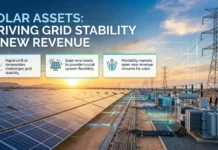



















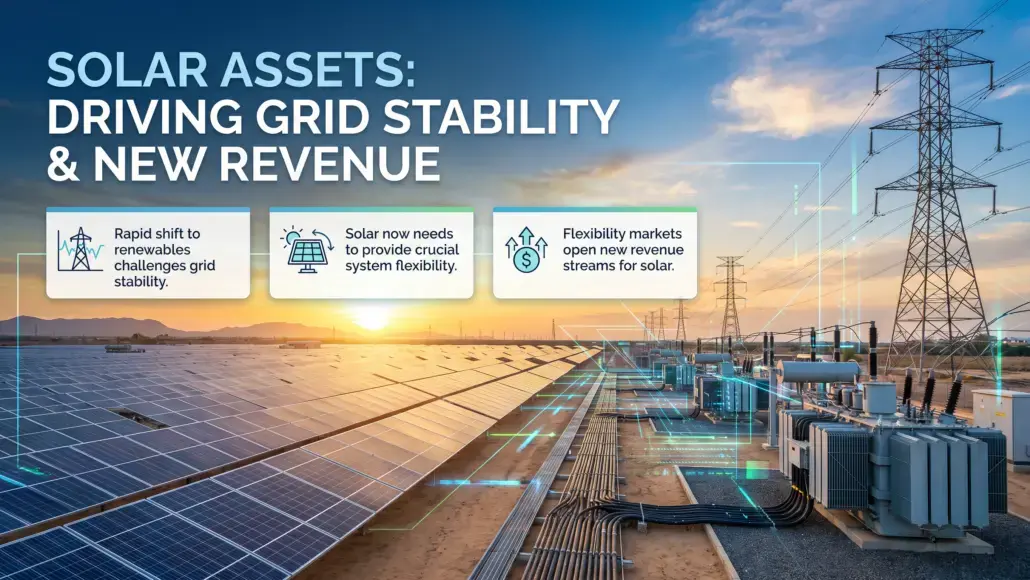

The rapid decarbonization of the global electricity sector has introduced significant operational challenges for grid operators. As variable renewable energy sources like solar and wind become dominant, the need for system flexibility has increased dramatically. Traditionally, flexibility was provided by fossil fuel plants that could easily adjust their output to match demand. In the current era, the responsibility for maintaining grid stability is shifting toward the renewable assets themselves. This shift represents a significant opportunity for developers and owners to access new solar revenue streams by participating in emerging flexibility markets. These markets compensate asset owners for providing services that help balance supply and demand in real time.
Participation in these markets requires a fundamental change in how solar assets are managed and dispatched. Instead of simply maximizing energy production, operators must now optimize their assets to provide high-value grid services. This includes activities such as frequency regulation, voltage support, and operating reserves. By diversifying their income beyond the sale of wholesale electricity, solar projects can achieve greater financial stability and resilience against price volatility. The ability to generate these solar revenue streams is becoming a critical factor in the investment case for new utility-scale developments. Success in this field requires a combination of technical capability and strategic market positioning.
Understanding the Value of Grid Flexibility Services
Flexibility services are essential for managing the inherent variability of renewable energy production. As solar penetration increases, the risk of supply-demand imbalances grows, particularly during the transitions between day and night. Grid operators use flexibility markets to procure the resources necessary to manage these imbalances. For solar asset owners, this means offering the grid the ability to ramp production up or down, or to provide reactive power on demand. The value of these services is often higher than the value of the energy itself, especially during periods of grid stress or high volatility.
The market for these services is evolving rapidly, with new products being introduced to address specific grid needs. For example, fast frequency response markets require assets to react to grid disturbances within milliseconds. While traditional solar inverters were not designed for this level of responsiveness, modern power electronics can deliver these services with high precision. By participating in these high-value markets, developers can secure additional solar revenue streams that improve the overall project economics. The key is to identify which services the local grid operator needs most and to tailor the asset’s capabilities accordingly.
Financial modeling for solar projects must now account for these diverse income sources. The predictability of revenue from flexibility markets can vary, but it often provides a valuable hedge against low energy prices during periods of high solar production. In many markets, the price of flexibility services is decoupled from the price of electricity, meaning that assets can continue to earn significant revenue even when wholesale prices are near zero. This revenue diversification is essential for maintaining the bankability of large-scale solar projects in a mature market environment. Asset managers who can effectively manage these multiple revenue streams will be best positioned to deliver superior returns to their investors.
Technical Requirements for Participating in Frequency Response Markets
Entering the frequency response market requires a high level of technical sophistication and reliable hardware. Solar assets must be equipped with advanced inverters that can provide both active and reactive power control. These systems must be integrated with sophisticated monitoring and control platforms that can communicate with the grid operator’s systems in real time. The ability to respond to dispatch signals with high accuracy and low latency is a prerequisite for market participation. For many existing solar sites, this may involve hardware upgrades or software modifications to enable the necessary functionality.
The integration of energy storage is often the most effective way to meet these technical requirements. A battery system can act as a buffer, allowing the solar plant to provide firm capacity and rapid response without having to curtail generation from the PV array. This combination of technologies allows the operator to maximize energy production while simultaneously capturing value from frequency response markets. The synergy between solar and storage is a primary driver for the growth of hybrid projects, as it allows for the creation of new solar revenue streams that would be impossible for a standalone installation to access.
Testing and certification are also critical components of the market entry process. Grid operators require rigorous proof that an asset can meet the performance standards for the services it offers. This involves extensive modeling and onsite testing to verify response times, accuracy, and reliability. Once certified, the asset must maintain high availability to avoid penalties for non-performance. The operational complexity of managing a plant in these markets is significantly higher than that of a traditional “set and forget” solar project. However, the financial rewards for those who can manage these requirements are substantial, providing a clear incentive for technical excellence.
Evaluating the Economic Impact of Ancillary Service Provision
The economic impact of providing ancillary services can be profound, potentially increasing the total revenue of a solar project by ten to twenty percent. This additional income is particularly valuable in markets where energy prices are declining due to high renewable penetration. By shifting the focus from volume to value, operators can ensure that their assets remain profitable even in a low-price energy environment. The evaluation of these economic benefits must consider both the potential revenue and the costs associated with market participation, such as increased equipment wear and tear or higher operational overhead.
Market dynamics play a significant role in determining the value of flexibility services. In regions with high levels of intermittent generation, the price of frequency response and other balancing services tends to be higher. Conversely, in markets with significant amounts of flexible thermal generation or large-scale hydro, the competition for these services may be more intense. A detailed analysis of local market conditions is essential for accurately forecasting the potential solar revenue streams available to a project. This analysis should also account for the potential impact of future regulatory changes or market reforms.
Investment in the necessary technology and expertise to participate in these markets should be viewed as a strategic decision. While the upfront costs can be higher, the long-term benefits of revenue diversification and grid integration are clear. As the energy system continues to evolve, the ability to provide flexibility will become a standard requirement for all large-scale generators. Early adopters who develop the technical and operational capabilities to excel in these markets will have a significant competitive advantage. The data gathered from early participation can also be used to optimize the design and operation of future projects, leading to even greater efficiencies and returns.
Strategic Integration of Demand Side Response and Solar Production
The integration of demand side response (DSR) with solar production represents a further evolution of the flexibility market. By coordinating the generation of solar energy with the energy consumption patterns of nearby industrial or commercial users, operators can create a more balanced and efficient system. This approach involves the use of sophisticated energy management systems that can shift demand to coincide with periods of peak solar production. The resulting reduction in grid stress and improved local balancing can generate significant value for both the generator and the consumer.
This strategic coordination allows for the creation of localized flexibility markets or “virtual power plants” that combine multiple small-scale assets into a single dispatchable unit. For utility-scale solar operators, this means partnering with large energy users to provide integrated energy and flexibility solutions. These partnerships can lead to the development of new solar revenue streams through shared savings or performance-based contracts. The complexity of these arrangements requires a high level of collaboration and technical integration, but the potential for value creation is significant.
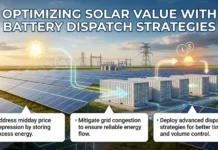
The role of data and digital technologies in enabling these integrated solutions cannot be overstated. Real-time visibility into both generation and demand is essential for effective coordination. Artificial intelligence and machine learning algorithms can be used to predict solar production and demand patterns, allowing the system to optimize its dispatch strategy in advance. By leveraging these technologies, operators can maximize the value of their assets and provide more reliable and cost-effective services to their customers. The continued development of these digital tools will be a key driver for the growth of integrated flexibility solutions in the coming years. Utilizing battery dispatch strategies improving solar market value is a logical extension of these efforts, ensuring that stored energy is used precisely when and where it is needed most.
Long-Term Financial Implications of Market Flexibility Participation
The long-term financial implications of participating in flexibility markets are overwhelmingly positive for the solar sector. By creating multiple paths to revenue, these markets reduce the overall risk profile of solar assets and increase their attractiveness to a broad range of investors. The increased stability of cash flows allows for more efficient capital structures and lower financing costs. This, in turn, supports the continued expansion of the solar industry by making it easier to secure the necessary funding for new projects. The ability to generate consistent solar revenue streams is a fundamental requirement for the maturity and sustainability of the renewable energy sector.
As flexibility markets continue to grow and mature, the competition for these services will likely increase. This will drive further innovation in technology and operational practices as assets strive to provide more efficient and reliable services. The long-term winners in this market will be those who can provide high-value services at the lowest possible cost. This requires a relentless focus on operational excellence and a deep understanding of grid dynamics. The lessons learned from early market participation will be invaluable for shaping the strategies of the future.
The transition to a more flexible and renewable energy system is well underway. Solar assets are at the heart of this transition, and their role in maintaining grid stability will only become more important over time. By embracing the opportunities provided by flexibility markets, the solar industry can ensure its long-term viability and contribute to a more resilient and sustainable energy future. The successful integration of solar energy into these markets is a testament to the ingenuity and adaptability of the industry. As we look forward, the continued development of these new solar revenue streams will be a key factor in the global effort to achieve net-zero emissions. Proactive management of these assets will ensure that they continue to deliver value for their owners and for the grid as a whole. Final considerations must always account for the dynamic nature of these markets, requiring a flexible and forward-thinking approach to asset management. Success will depend on the ability to anticipate market shifts and to adapt technical and financial strategies accordingly. Through this ongoing process of innovation and optimization, the solar sector will continue to lead the way in the global energy transition.