


























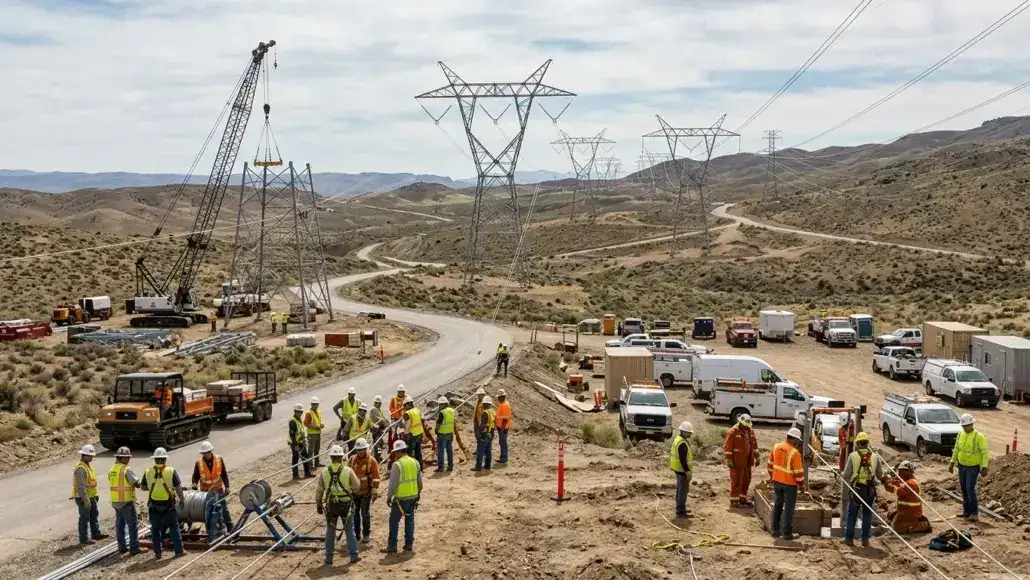

The construction and maintenance of modern power networks are massive undertakings that require a highly specialized and diverse workforce. In the current energy landscape, utility companies increasingly rely on third-party service providers to handle everything from vegetation management to the erection of massive 500kV steel towers. While this external expertise is essential, it introduces a significant challenge: maintaining a uniform safety standard across a decentralized workforce. The implementation of rigorous contractor safety standards transmission infrastructure is the primary mechanism through which utilities ensure that every person on a jobsite regardless of their badge operates under the same high-level safety culture and risk-management protocols.
Establishing these standards is not merely about checking boxes for regulatory compliance; it is about creating a seamless safety ecosystem. When a contractor enters a high-voltage environment, they are stepping into a workspace where the hazards are invisible, lethal, and constant. Without clear, enforceable contractor safety management protocols, the risk of miscommunication or procedural deviation increases exponentially. By mandating a universal set of expectations, utilities can bridge the gap between different corporate cultures, ensuring that safety is the common language spoken by everyone involved in the delivery of transmission infrastructure safety.
The Foundation of Safety: Prequalification and Vetting
The journey toward a safe project begins long before the first shovel hits the dirt. The prequalification process is the first and most critical gate in contractor safety management. Utilities must evaluate potential partners not only on their technical capabilities and financial stability but, more importantly, on their historical safety performance. This involves a deep dive into lagging indicators, such as Total Recordable Incident Rates (TRIR) and Experience Modification Rates (EMR), as well as leading indicators like the quality of their internal training programs and their commitment to proactive hazard identification.
However, a truly robust vetting process goes beyond just numbers. It requires an assessment of the contractor’s safety leadership and their willingness to stop work if they encounter an unsafe condition. Utility contractor compliance is built on a foundation of mutual trust and shared values. By selecting contractors who have a proven track record of prioritizing safety over speed, a utility can ensure that their projects are staffed by organizations that view safety as a core value rather than a contractual obligation. This high level of scrutiny during the procurement phase is essential for long-term power project safety and risk mitigation.
Aligning Safety Cultures through Collaborative Onboarding
One of the most significant hurdles in large-scale transmission projects is the “cultural disconnect” that can occur between a utility and its contractors. Each organization has its own set of internal norms and ways of doing things. To mitigate this, comprehensive onboarding programs are designed to align these divergent cultures under a single, unified contractor safety standards transmission infrastructure umbrella. This process involves more than just a safety briefing; it is an intensive integration period where contractors are immersed in the utility’s specific “Life-Saving Rules” and operational expectations.
During this phase, the emphasis is on shared responsibility. Contractors must understand that they are expected to be active participants in the safety process, contributing to daily tailboard meetings and site-specific risk assessments. This collaborative approach helps to break down the “us vs. them” mentality that can sometimes hinder safety performance. By fostering an environment where contractors feel empowered to suggest improvements or report near-misses without fear of reprisal, utilities can create a more transparent and resilient safety culture that benefits the entire project team.
Technological Integration in Contractor Risk Control
The modern jobsite is increasingly digital, and this shift is providing new tools for contractor risk control. Many utilities now require contractors to use standardized safety management software to document inspections, track training certifications, and report incidents in real-time. This digital thread allows safety managers to monitor performance across multiple sites simultaneously, identifying trends or recurring issues that may require immediate intervention. For example, if data shows a spike in hand injuries across several contractor crews, the utility can quickly launch a targeted safety stand-down to address the issue.
Furthermore, the use of wearable technology and GPS tracking is becoming more common on transmission projects. These devices can monitor the location of workers relative to energized equipment or heavy machinery, providing haptic alerts if a worker drifts into a danger zone. While these technologies are powerful, they are most effective when integrated into a broader framework of contractor safety standards transmission infrastructure. The goal is to use data not as a tool for punishment, but as a resource for continuous improvement and the proactive identification of hazards before they lead to an injury.
Managing High-Risk Tasks: Specialized Safety Protocols
Transmission infrastructure projects involve some of the most high-risk activities in the construction industry. From helicopter-assisted tower erection and long-lining to live-line maintenance performed from insulated platforms, these tasks require a level of precision that leaves no room for error. Contractor safety management for these specialized activities involves the development of detailed “Method Statements” and “Job Hazard Analyses” that are reviewed and approved by the utility’s subject matter experts. These documents outline every step of the process, identifying specific controls for each potential hazard.
In these high-stakes scenarios, utility contractor compliance is non-negotiable. The utility must provide active oversight, often deploying safety observers or field engineers to monitor the work as it happens. This is not about micromanaging the contractor, but about providing an extra layer of protection for the workforce. By working together to define the “Safe Work Zone” and the specific communications protocols (such as standardized hand signals or radio codes), the utility and the contractor can ensure that even the most complex tasks are executed with a high degree of power project safety.
Auditing and Continuous Improvement in the Field
The implementation of contractor safety standards transmission infrastructure is a dynamic process that requires constant validation through field audits. These audits should be viewed as a partnership rather than an inspection. When a utility safety professional visits a contractor jobsite, their goal is to support the crew in identifying potential improvements and to celebrate good safety behaviors. By focusing on “What went right” as much as “What could be better,” the audit process becomes a valuable tool for building morale and reinforcing the safety culture.
Data from these field assessments should be fed back into the contractor safety management system to drive continuous improvement. If a particular contractor consistently exceeds safety expectations, they should be recognized and rewarded, perhaps through preferred status on future contracts. Conversely, if a contractor is struggling to meet the standards, the utility must be prepared to provide additional support, training, or, if necessary, to remove them from the project. This unwavering commitment to the standard is what ultimately ensures the integrity of the safety program and the well-being of the entire transmission workforce.
Conclusion: The Future of Collaborative Safety
As the complexity of our power grid increases and the demand for rapid infrastructure expansion grows, the relationship between utilities and their contractors will only become more vital. The success of this relationship depends on a shared commitment to excellence in safety. By upholding rigorous contractor safety standards transmission infrastructure, the industry can ensure that the rapid pace of development does not come at the cost of human life. This collaborative model of safety built on rigorous vetting, cultural alignment, and technological innovation provides a blueprint for how all high-risk industries can manage a decentralized workforce.
Ultimately, the goal of contractor safety management is simple: to ensure that every worker returns home in the same condition they arrived. This is a moral imperative as much as it is an operational one. By investing in the systems and relationships that support utility contractor compliance, we are not just building a more reliable grid; we are building a safer and more professional industry. The lessons learned on the towers and in the substations of today will shape the safety standards of tomorrow, ensuring that as we power the world, we do so with an uncompromising focus on the protection of those who do the work.