





































The stability of a nation’s energy infrastructure depends on the invisible but vital health of its physical components. In the realm of power transmission, asset integrity management grid networks represents the rigorous process of ensuring that every tower, conductor, insulator, and substation component performs its intended function safely and reliably throughout its entire lifecycle. As global power demands rise and infrastructure ages, the emphasis on asset integrity has shifted from a purely operational concern to a critical safety mandate. Ensuring that these high-voltage systems remain structurally sound and electrically efficient is the only way to prevent catastrophic failures that could endanger both the workforce and the public.
Effective asset integrity management is far more than a simple maintenance schedule; it is a holistic philosophy that combines engineering excellence with data-driven decision-making. It involves a deep understanding of the degradation mechanisms that affect transmission equipment such as corrosion, fatigue, and environmental stress and the implementation of strategic interventions to mitigate these risks. By prioritizing the structural and functional health of the grid, utilities can move away from the dangerous cycle of “run-to-fail” and toward a model of continuous, proactive improvement that underpins the very concept of grid reliability solutions.
The Evolution from Reactive to Predictive Maintenance
Historically, the maintenance of transmission assets was largely reactive, triggered by visible damage or unexpected outages. This approach was inherently risky, as many structural flaws are not visible to the naked eye until they reach a point of critical failure. Modern asset integrity management grid networks has evolved to utilize predictive technologies that identify potential issues long before they manifest as hazards. By leveraging advanced sensors and diagnostic tools, utility providers can monitor the “pulse” of their equipment in real-time, allowing for interventions that are both timely and cost-effective.
This shift to predictive maintenance is fundamental to enhancing power network safety. When a utility can predict that a specific insulator string is nearing the end of its reliable service life due to cumulative environmental exposure, they can replace it during a planned outage under controlled conditions. This is infinitely safer than responding to a line drop in the middle of a storm. Furthermore, predictive modeling allows for better financial planning, ensuring that capital is directed toward the most critical assets, thereby strengthening the overall resilience of the transmission asset management framework.
Technological Innovation in Structural Health Monitoring
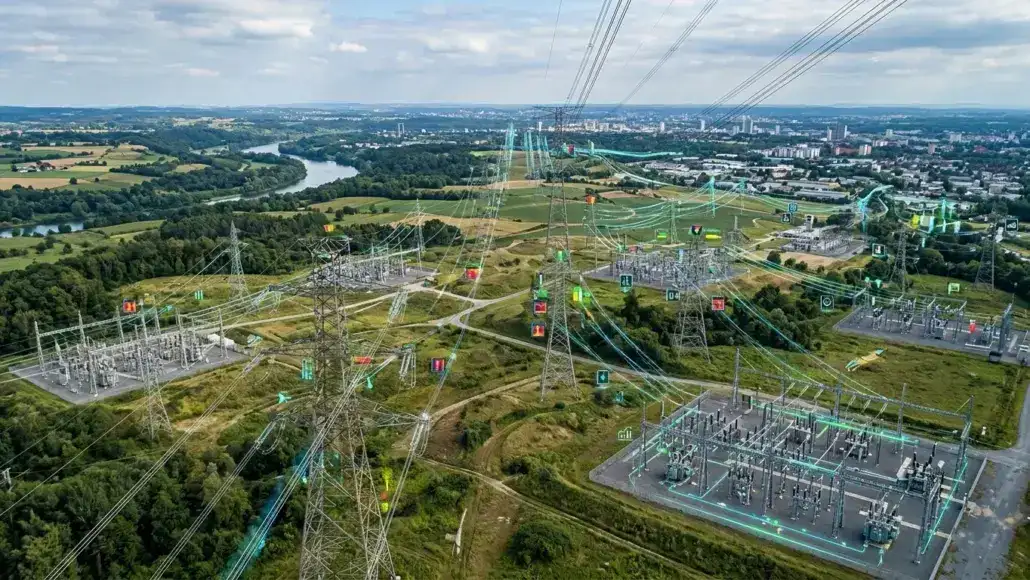
One of the most transformative elements of modern asset management is the integration of remote sensing technology. Drones equipped with high-resolution thermal imaging and LiDAR (Light Detection and Ranging) have revolutionized how inspections are conducted. These tools allow for the detailed examination of hard-to-reach components on high-voltage towers without requiring a worker to climb into a hazardous area. Drones can detect “hot spots” in connections that indicate electrical resistance and potential failure, or identify microscopic cracks in concrete foundations that could compromise the stability of a massive steel structure.
In addition to aerial inspections, the use of IoT (Internet of Things) sensors permanently installed on critical infrastructure provides a continuous stream of data. These sensors can measure vibration, tilt, and tension on lines, providing immediate alerts if an asset deviates from its normal operating parameters. This level of granular monitoring is essential for supporting safer grid networks, as it provides a safety net that operates 24/7. The data collected from these sensors is then fed into sophisticated algorithms that can simulate various stress scenarios, giving engineers a clear picture of how an aging asset will behave under extreme load or severe weather.
Material Science and Non-Destructive Testing
At the core of asset integrity management lies the science of materials. Transmission assets are constantly exposed to the elements, from the salt spray of coastal regions to the intense UV radiation of high-altitude environments. Understanding how different materials such as galvanized steel, aluminum, and composite polymers deteriorate over decades is crucial for long-term safety. Non-destructive testing (NDT) techniques, such as ultrasonic testing and radiographic imaging, allow technicians to “see” inside metal components to detect internal corrosion or manufacturing defects without damaging the part itself.
These NDT methods are integral to transmission asset management because they provide objective, quantifiable data on the remaining strength of a component. For example, by measuring the thickness of a steel tower leg through ultrasonic testing, an engineer can determine if the rate of corrosion has reached a point where the structure can no longer support its maximum wind-load capacity. This information is vital for utility infrastructure maintenance, as it allows for targeted repairs, such as reinforcing a foundation or applying advanced anti-corrosion coatings, thereby extending the safe operating life of the asset for several more years.
Lifecycle Management and Risk-Based Prioritization
A robust asset integrity management grid networks strategy must account for the entire lifecycle of an asset, from design and procurement to decommissioning. This begins with selecting high-quality materials and adhering to stringent construction standards during the initial build. However, as assets move into the middle and late stages of their life, the focus shifts toward risk-based prioritization. Not all assets carry the same level of risk; a failure on a primary 500kV trunk line has significantly more severe consequences than a failure on a localized distribution spur.
By ranking assets based on their probability of failure and the potential impact of that failure, utilities can optimize their maintenance efforts. This risk-based approach ensures that the most critical “nodes” in the power network receive the highest level of scrutiny. This is a key component of grid reliability solutions, as it focuses resources where they will have the greatest impact on system stability and personnel safety. Moreover, it provides a transparent framework for regulatory compliance, demonstrating that the utility is taking all necessary steps to maintain a safe and reliable energy delivery system.
Environmental Stewardship and Asset Longevity
The interaction between the grid and its surrounding environment is a major factor in asset integrity. Vegetation management, for instance, is a critical safety task that prevents trees from coming into contact with high-voltage lines a common cause of both fires and outages. However, environmental factors also include the long-term effects of climate change, such as rising sea levels affecting coastal substations or increasing soil instability in mountainous regions. Asset integrity management must adapt to these shifting environmental baselines by incorporating “climate-proofing” measures into their maintenance and design protocols.
Sustainable utility infrastructure maintenance also considers the environmental impact of the maintenance activities themselves. Using long-lasting, eco-friendly coatings and reducing the frequency of heavy vehicle traffic for inspections (through the use of drones) helps to minimize the ecological footprint of the grid. By building a grid that is in harmony with its environment, utilities can reduce the external stresses on their assets, leading to longer service lives and fewer safety-related incidents. This holistic view of integrity ensures that the grid remains a stable and safe part of the landscape for generations to come.
Conclusion: The Human Factor in Asset Integrity
While technology and data are essential, the ultimate success of asset integrity management grid networks rests with the people who manage and execute the programs. A culture of safety excellence must permeate the organization, where every worker understands that a missing bolt on a tower or a frayed grounding wire is not just a maintenance task, but a potential threat to life. Training programs must emphasize the importance of meticulous documentation and the courage to report even minor anomalies. When combined with the best technological tools, this human vigilance creates a formidable defense against infrastructure failure.
The investment in asset integrity management is an investment in the future of the energy transition. As we move toward a more electrified society, the consequences of grid failure become even more profound. By committing to high standards of asset integrity, the power industry provides the foundation upon which a safe, reliable, and sustainable future can be built. Through the continuous refinement of grid reliability solutions and a steadfast focus on transmission asset management, we can ensure that the massive web of the power grid remains strong, silent, and safe in its service to humanity.