


















The operational landscape for electrical transmission has undergone a radical transformation in recent years, dictated largely by the increasing frequency and severity of extreme meteorological events. As global climate patterns shift, the traditional frameworks for utility maintenance and emergency response are being tested to their absolute limits. At the heart of this struggle is the human element: the transmission workforce. Ensuring weather resilience transmission workforce safety is no longer just a matter of providing the right gear; it is an intricate, multi-layered discipline that integrates advanced atmospheric science, predictive analytics, and highly specialized field protocols to protect those who keep the power flowing.
In the past, weather was often viewed as a static variable in safety planning, something to be reacted to when it arrived. Today, the philosophy has shifted toward proactive anticipation. Modern weather resilience strategies acknowledge that the safety of a crew is decided hours, or even days, before they ever step into the field. This shift requires a deep understanding of how environmental stressors ranging from record-breaking heatwaves to localized “bomb cyclones” impact the physiological and cognitive functions of workers. High-voltage environments are inherently unforgiving, and when you layer on the complexities of gale-force winds or sub-zero temperatures, the margin for error effectively vanishes.
Integrating Predictive Analytics into Field Operations
One of the most significant advancements in transmission workforce safety is the adoption of hyper-local weather modeling. Large-scale utility providers are now partnering with meteorological services to deploy sensors directly onto transmission towers, providing real-time data on wind speeds, humidity, and lightning potential. This granular information allows safety managers to make informed decisions about whether to dispatch a crew or pull them back. By treating weather as a live data stream rather than a morning forecast, organizations can implement more effective utility workforce protection measures that account for micro-climates often missed by standard regional weather reports.
Beyond immediate safety, these predictive tools allow for better resource allocation. During extreme weather operations, the pressure to restore power can sometimes lead to rushed decisions. However, a resilience-focused culture prioritizes the integrity of the worker over the speed of the restoration. By utilizing data to predict where the grid is most vulnerable, utilities can pre-position crews in safer, more sheltered locations, reducing the time spent traveling through hazardous conditions. This logistical foresight is a cornerstone of power grid resilience, ensuring that the human infrastructure is as robust as the steel and copper it maintains.
Physiological Protections in a Changing Climate
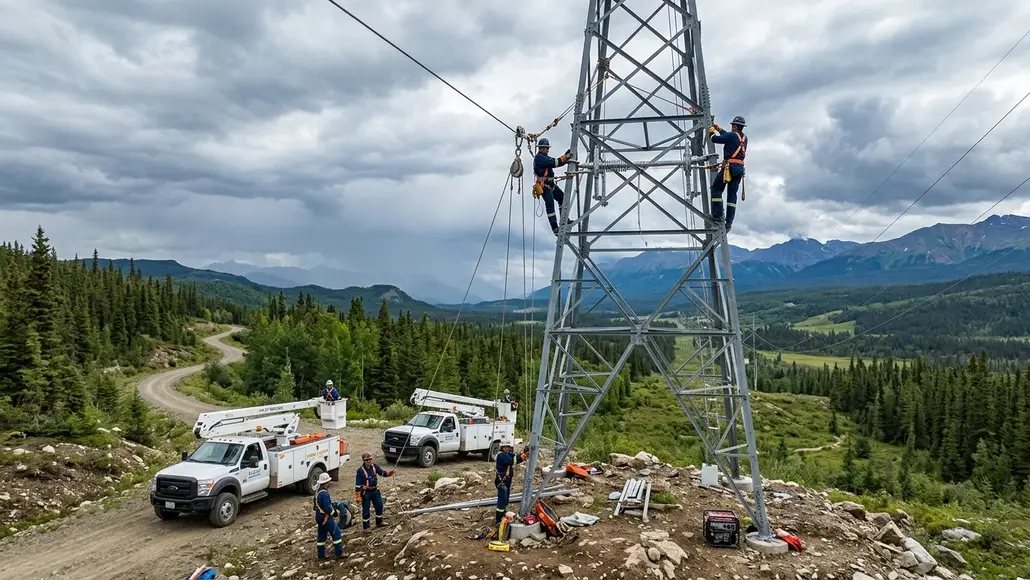
The physical toll of weather on transmission workers cannot be overstated. Heat stress, in particular, has become a primary concern for those working on exposed towers. The combination of heavy personal protective equipment, direct solar radiation, and the physical exertion required for climbing creates a high-risk scenario for heat-related illnesses. Enhanced safety protocols now include “cooling breaks” and the use of biometric monitoring devices that can detect signs of rising core body temperatures or dehydration before a worker becomes incapacitated. This focus on the individual’s biological limits is a fundamental component of weather resilience transmission workforce safety.
Conversely, cold-weather operations present a different set of challenges, particularly regarding manual dexterity and equipment reliability. Ice accumulation on conductors not only threatens the grid’s stability but also makes the physical act of maintenance significantly more hazardous. Resilience strategies in these environments focus on specialized training for “ice-work” and the deployment of heaters for hydraulic tools that might otherwise fail in deep freezes. By addressing these specific environmental friction points, organizations can maintain high safety standards even when the external conditions are at their most hostile.
The Role of Equipment and Material Innovation
While training and data are vital, the physical tools of the trade must also evolve to support weather resilience transmission workforce safety. We are seeing a new generation of flame-resistant clothing that offers better breathability for hot climates and superior insulation for the cold, without compromising the electrical arc protection necessary for high-voltage work. Furthermore, the towers themselves are being designed with integrated safety features, such as permanent fall-arrest systems that are easier to navigate when surfaces are slick with rain or frost.
Innovations in drone technology also play a crucial role. By using unmanned aerial vehicles for initial damage assessments during or immediately after a storm, utilities can keep workers out of harm’s way until a site is confirmed as stable. This reduction in unnecessary exposure is one of the most effective ways to lower the incident rate during post-storm restoration efforts. The integration of these technologies reflects a mature approach to safety, where the goal is to remove the human from the hazard whenever possible, only deploying personnel when their unique skills are truly required.
Strengthening Preparedness through Simulation and Training
True resilience is built through repetition and the simulation of high-stress scenarios. Transmission workforces are increasingly utilizing virtual reality and augmented reality to train for extreme weather operations. These simulations allow workers to practice emergency procedures such as a bucket truck evacuation during high winds or a rescue from a tower in heavy rain within a controlled environment. This mental mapping is essential because, in the heat of a real-world crisis, the brain often defaults to its most ingrained habits.
Moreover, the psychological aspect of safety is receiving more attention. The stress of working in extreme conditions, often for long hours during a “storm mode” deployment, can lead to decision fatigue. Modern weather resilience strategies include mental health support and mandatory rest cycles that are strictly enforced, regardless of the backlog of repairs. A tired worker is a vulnerable worker, and recognizing the cognitive limits of the workforce is as important as recognizing the structural limits of a transmission line. By fostering an environment where workers feel empowered to speak up about their physical or mental state, utilities build a more durable and reliable safety culture.
Conclusion and the Future of Workforce Safety
As we look toward the future, the integration of weather resilience transmission workforce safety will likely become the defining metric for utility performance. It is no longer sufficient to simply have a low injury rate during normal operations; the true test of a safety program is how it holds up when the environment is at its worst. This requires a continuous loop of learning, where every storm and every heatwave is analyzed to find opportunities for improvement. The data gathered from these events feeds back into the planning cycle, creating a dynamic and evolving shield for the men and women on the front lines.
The synergy between technology, specialized equipment, and a human-centric safety culture provides the best path forward. While we cannot control the weather, we can certainly control our preparedness. By investing in comprehensive weather resilience strategies, the power industry ensures that its most valuable asset its people remains protected against the elements. This commitment to safety not only preserves lives but also strengthens the overall reliability of the global energy infrastructure, proving that a resilient grid begins with a resilient and well-protected workforce.