






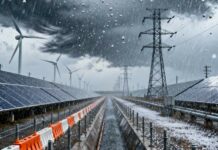











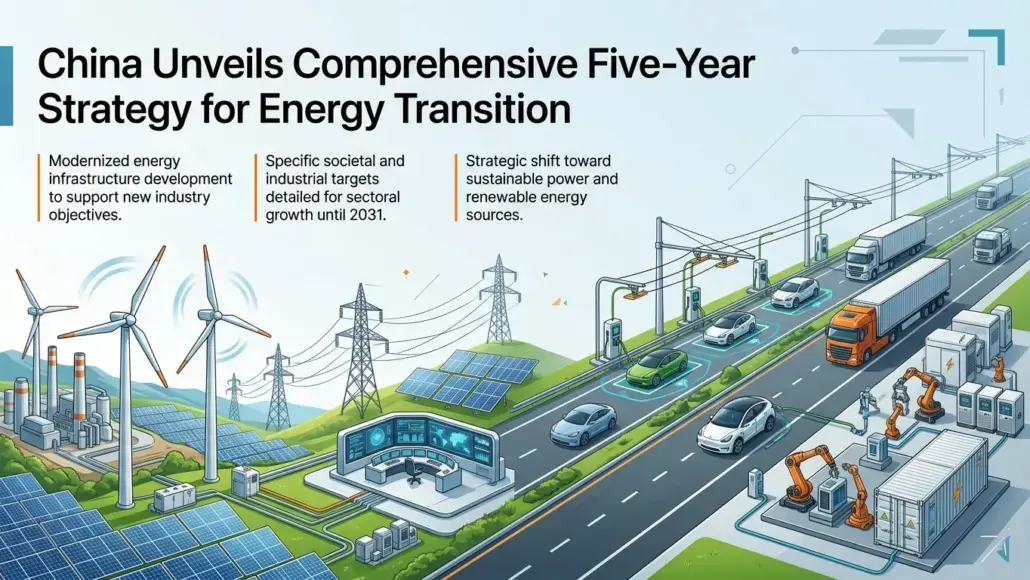

On June 25, 2026, Chinese authorities introduced a comprehensive five-year strategy aimed at establishing a modernized energy infrastructure. This specific sectoral roadmap follows the broader national economic blueprint released in March, continuing the tradition of detailing specific societal and industrial objectives every half-decade. The publication of this China energy plan comes as the nation reaches a critical juncture in its shift toward sustainable power. While years of aggressive expansion in solar and wind capacity have demonstrated that the country can rapidly scale clean electricity to support its growing economy and reduce global emissions, this success has created significant pressure on the existing electrical grid. These challenges have resulted in increased instances of power curtailment and a noticeable deceleration in the deployment of new renewable energy projects.
The document emphasizes a strategic transition that includes peaking the consumption of coal and oil during the 2026-30 period. Central to the China energy plan is the goal to double the contribution of non-fossil fuel sources over the upcoming decade through the advancement of technologies like nuclear fusion and hydrogen. To ensure energy security, the strategy outlines the continued development of a major natural gas pipeline from Russia alongside capacity increases for nuclear power, offshore wind, and pumped hydro storage. Specific infrastructure targets include reaching 160 gigawatts of pumped hydro capacity and 300 gigawatts of battery storage, supported by 50 gigawatts of virtual power plants designed for demand response. By 2030, the nation intends to reach 2 million tons of green hydrogen production capacity, which is nearly double the volume currently operational or under development.
Under the new guidelines, wind and solar power are expected to constitute more than 50% of the total installed power capacity across the nation. While the focus remains on renewables, fossil fuel management remains a priority with oil output maintained at approximately 200 million tons annually and natural gas production slated for a steady increase. The government intends to rationally organize the construction of natural gas power plants and encourage the domestic manufacture of gas turbines. Furthermore, the plan calls for the creation of a coal production buffer exceeding 100 million tons per year, ensuring that capacity is ready for extraction whenever necessary. Looking toward long term innovation, the scheme also prioritizes the development of space-based power plants, superconducting transmission, and further research into nuclear fusion to sustain future energy needs.