






Close
MCE 2026
World Hydrogen & Carbon Americas

Pandemic, Ukraine War Gets Europe To Move To Green Energy

Note* - All images used are for editorial and illustrative purposes only and may not originate from the original news provider or associated company.

Subscribe

- Never miss a story with notifications

- Gain full access to our premium content

- Browse free from any location or device.

Media Packs

Expand Your Reach With Our Customized Solutions Empowering Your Campaigns To Maximize Your Reach & Drive Real Results!

– Access the Media Pack Now

– Book a Conference Call

– Leave Message for Us to Get Back

Related stories

Hybrid Power Systems Combining Renewables Hydrogen and Dispatchable Generation

In-depth analysis of hybrid power system architecture integrating renewables, hydrogen storage and dispatchable generation to manage intermittency, enhance grid stability and achieve long-term decarbonisation targets.

Carbon Utilisation Pathways Creating New Value for Power Producers

Exploration of how captured carbon emissions are transformed into commercially viable products, from synthetic fuels to industrial feedstocks, improving project economics for power producers through carbon utilisation strategies.

Integrating Renewable Energy into Large-Scale Hydrogen Production

Examination of how solar, wind and hydro resources are integrated into large-scale hydrogen production, with focus on intermittency, optimisation and grid vs off-grid models.
- Advertisement -

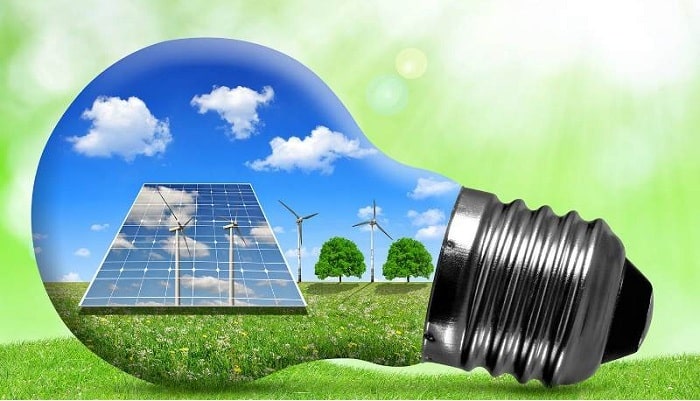
According to analysts, the energy and COVID-19 crises have accelerated rather than slowed the green transition in most European Union countries since 2020, putting them on track to reduce fossil fuel consumption this decade.

Soaring energy costs and supply shocks created by Russia’s invasion of Ukraine reportedly led some countries to consume more coal and buy non-Russian gas, raising concerns that efforts to combat climate change would be jeopardised.

According to an assessment of EU countries’ climate policies, the reverse should be true in the long run. According to think tanks Ember and the Centre for Research and Clean Air, 17 of the EU’s 27 member countries have raised their ambitions to expand renewable energy since 2020. As per the researchers, if the countries’ latest intentions are realised, renewables will produce 63% of EU electricity by 2030, up from 55% under their current policies.

This means that EU fossil-fuel-based electricity generation in 2030 will be 595 terawatt hours, down from 1,069 TWh in 2021. Europe is not returning to coal or gas to assure security; in fact, the opposite is true. Renewable energy is gaining traction in several countries, Pawel Czyzak, a senior analyst at Ember, stated.

This year, Germany and the Netherlands have increased their renewable energy targets, while Austria, Greece, and Ireland have increased theirs since 2020. Bulgaria, Croatia, Slovenia, and other countries have set coal phase-out dates, while France has provided sustainable home heating subsidies.

That’s before taking into account the EU’s own intentions, which were published last month, to increase expenditures on renewable energy and energy efficiency in order to wean countries away from Russian fuels. However, according to other analysts, European governments’ aspirations to explore new gas projects could endanger these green initiatives, and many countries have not emphasised green expenditures in their spending since the COVID-19 outbreak.

The recovery has been enormously varied around the world, stated chief researcher at Oxford University’s Economic Recovery Project, Brian O’Callaghan, noting that green COVID-19 recovery spending in Australia, China, and India is considerably lower.

Latest stories

Related stories

Hybrid Power Systems Combining Renewables Hydrogen and Dispatchable Generation

In-depth analysis of hybrid power system architecture integrating renewables, hydrogen storage and dispatchable generation to manage intermittency, enhance grid stability and achieve long-term decarbonisation targets.

Carbon Utilisation Pathways Creating New Value for Power Producers

Exploration of how captured carbon emissions are transformed into commercially viable products, from synthetic fuels to industrial feedstocks, improving project economics for power producers through carbon utilisation strategies.

Integrating Renewable Energy into Large-Scale Hydrogen Production

Examination of how solar, wind and hydro resources are integrated into large-scale hydrogen production, with focus on intermittency, optimisation and grid vs off-grid models.

Electrolysis Technologies Advancing the Future of Clean Power

Comparative analysis of alkaline, PEM and solid oxide electrolysers, their efficiency, cost trajectories and implications for renewable-driven hydrogen and clean power.

Subscribe

- Never miss a story with notifications

- Gain full access to our premium content

- Browse free from any location or device.

Media Packs

Expand Your Reach With Our Customized Solutions Empowering Your Campaigns To Maximize Your Reach & Drive Real Results!

– Access the Media Pack Now

– Book a Conference Call

– Leave Message for Us to Get Back

Translate »