

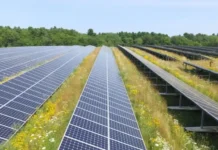
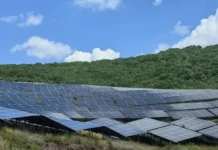
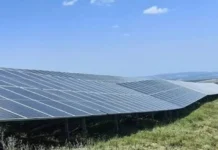












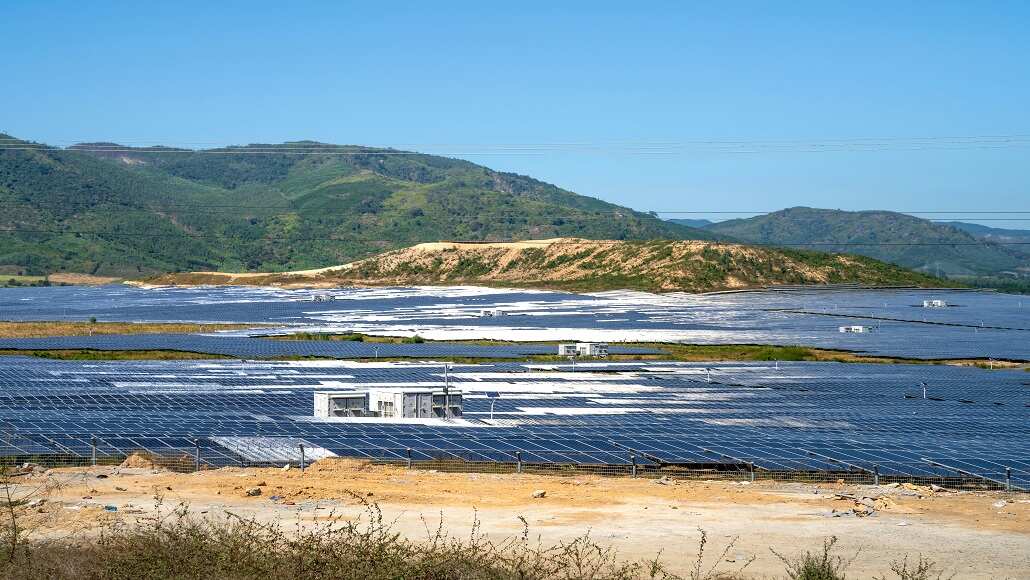

Q ENERGY and Velto Renewables have inaugurated the Milhat solar farm, a 9.2 MWp installation built on a former quarry turned pastureland in the Haute-Garonne commune of Lafitte-Vigordane, France.
Local officials, including Mayor Karine Brun, joined the teams to celebrate the project’s completion – seven years after development began in 2018.
Occupying a 9-hectare site, the solar farm comprises over 15 800 photovoltaic panels and will generate enough clean energy to power 5800 residents annually. The project will also prevent an estimated 3146 tpy of carbon dioxide.
The Milhat project is set apart by its integration with ongoing agricultural activity. The former quarry was restored to pastureland in 2015 and is home to a sheep-grazing operation. From the outset, Q ENERGY designed the solar park to coexist with and enhance this land use.
A grazing agreement ensures that the sheep can continue to graze under the panels, with additional measures such as replanting grass every five years to maintain pasture quality. The shaded environment provided by the panels contributes to animal welfare and supports plant growth. An independent agricultural expert will monitor the site during the initial operational years to ensure optimal conditions are maintained.
Véronique Sauzay, Regional Solar Manager at Q ENERGY, responded: “The dual use of the land is a key part of the project’s DNA. We wanted to ensure the solar park strengthened — not displaced the existing farming activity.”
For Velto Renewables, the Milhat project represents much more than just a clean energy asset: it is a model of sustainable land use, designed to generate lasting economic and social benefits at local level.
Laura de Matos, ESG Co-ordinator for Velto Renewables, commented: “This project is not just a simple transposition: it is part of a much broader national framework, serving the energy transition and sustainable regional development.”
Milhat’s journey to completion reflects the resilience of both the project team and local stakeholders. While the project faced no local opposition, global challenges – including the COVID-19 pandemic and the war in Ukraine – caused significant delays and raw material price hikes.
Originally selected in a 2022 call for tenders by the Commission de Régulation de l’Énergie (CRE), with historically low rates, the project became unviable due to surging costs. However, regulatory flexibility allowed Q ENERGY to reapply in 2024, securing a more viable rate and ensuring the project’s continuation.
Sauzay added: “This solar farm is the result of strong local support and a committed team that adapted to unprecedented challenges. It’s a model of how energy transition projects can be resilient, sustainable, and rooted in the local community.”