



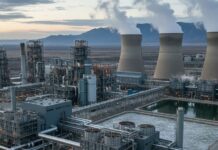

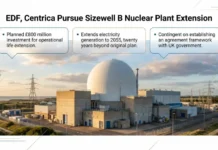




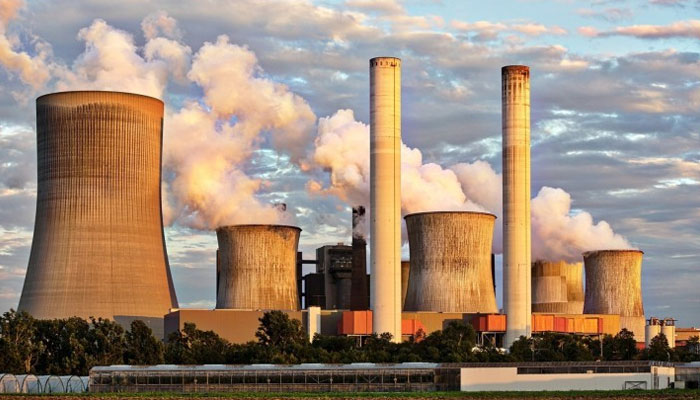

According to the International Energy Agency (IEA), nuclear power has the potential to help countries safeguard the security of their energy systems. However, strong government policies need to be established to facilitate nuclear use and increase its safety. The International Energy Agency stated in a report that nuclear power, which will generate 10% of the world’s electricity in 2020, will continue to be the primary source of low-emission electricity in industrialised nations and be the second-largest source behind hydroelectricity. According to the report, there are 32 countries with a total of 413 gigawatts of nuclear energy capacity, which helps to prevent 1.5 gigatonnes of emissions and 180 billion cubic metres of yearly gas consumption worldwide.
Markets that use nuclear power more can, according to the IAEA, decrease dependency on imported fuel, lower carbon dioxide emissions, and allow electricity networks to integrate bigger proportions of solar and wind power, among other benefits.
It was further said that without nuclear power, developing sustainable and affordable energy systems would be harder, riskier, and more expensive. IEA Executive Director Fatih Birol stated that he believes nuclear power has a rare opportunity to stage a return in today’s environment of the global energy crisis, spiking fossil fuel costs, energy security challenges, and aggressive climate obligations.
But there’s no certainty that nuclear power will enter a new era. To guarantee the safe and long-term operation of nuclear plants and to galvanise significant financing, including that in new technologies, governments must put in place strong policies. According to him, the nuclear industry needs to take immediate action to address the problems of budget overruns and missed deadlines in the construction of new plants in emerging markets, which have caused those economies to lose market share because 27 out of the 31 reactors that have started construction in 2017 are of Russian or Chinese design.
Nuclear power should double between 2020 and 2050, with construction taking place in nations that are open to new technologies, in order to achieve net-zero emissions by that year.