
















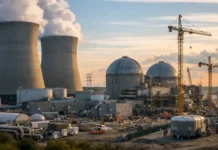











In May 2026, Gothenburg RoRo Terminal passed one million operating hours on Hydrotreated Vegetable Oil (HVO) across its machine fleet. The milestone reflects a long-term commitment to sustainability and a close collaboration with Volvo Penta, whose HVO-compatible engines and technical expertise enable the port to adopt and validate new solutions with confidence.
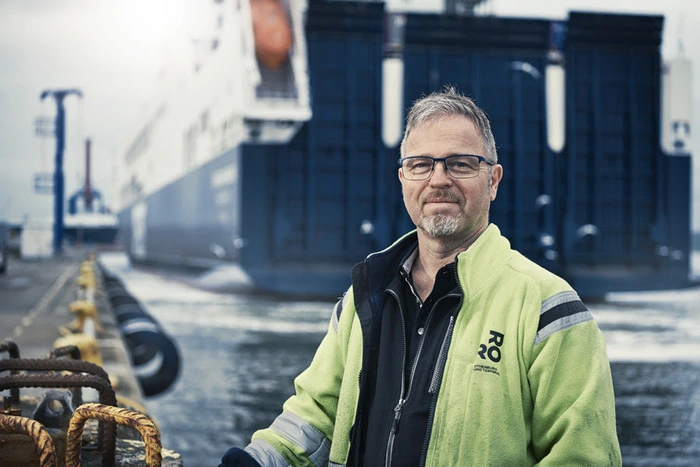
Located near Volvo Penta’s headquarters, Gothenburg RoRo Terminal has become a natural environment for long-term collaboration and field testing under real operating conditions. “Our partnership with Volvo Penta has been ongoing since 2014,” says Göran Dittmer, Technical manager at the terminal. “We provide the machines and operational environment and run as many hours as possible, while Volvo Penta uses this to test and validate driveline solutions and collect data that supports future development.”
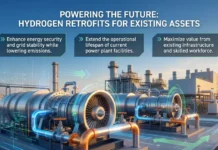
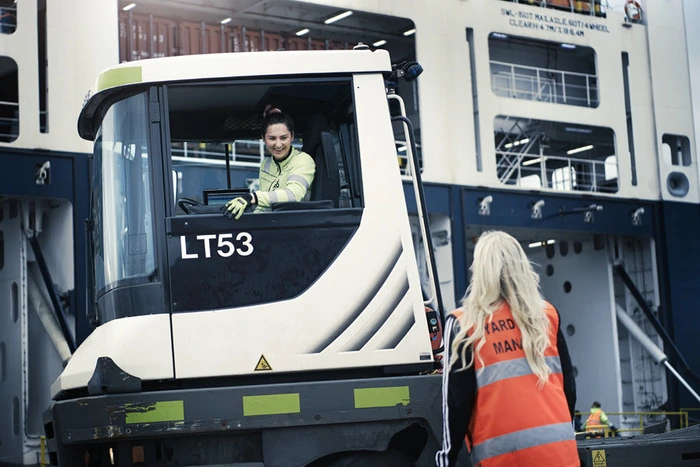
Field testing has been at the core of the collaboration from the start. The terminal machines serve as real-world testbeds for activities such as engine data logging for electric driveline development, hydrogen injector trials, turbo testing and component validation. “The value of piloting these technologies is enormous,” says Göran. “It gives both the port and Volvo Penta practical experience before products reach the market and helps plan for future infrastructure and regulatory requirements.” In parallel, early discussions are taking place around possible retrofits aimed at extending machine lifespan, as a cost-efficient and necessary way to meet evolving sustainability requirements.
Driving sustainability with HVO
The terminal led the transition to HVO fuel, starting with a 40% blend in 2018 to meet EU density regulations. In 2019, the entire fleet, including engines dating back to 1999, operated on 100% HVO. “CO2 emissions per unit have decreased to about one third of the previous level,” says Göran. Reducing CO2 emissions per unit has allowed the terminal to grow production while staying within environmental limits: “The only way to increase production is to reduce CO2 per unit,” explains Göran.
Switching to HVO allowed the terminal to improve existing machines to meet strict environmental standards without immediate investment in electrification.
Operational insights and future opportunities
Operating in a harsh terminal environment constant exposure to salt, moisture, and heavy use accelerates wear and corrosion. While these challenges remain, collaboration with Volvo Penta provides valuable insight into engine and driveline performance over time. Meanwhile, the terminal continues to explore cost-effective and sustainable ways to extend machine life, including potential repowering and retrofits, though these are not yet implemented.
Preparing for the next phase of the energy transition
Looking ahead, Göran emphasizes the need for curiosity and proactive action. “Don’t wait for someone else to do it. Explore different solutions, compare options, and stay open to innovation. Battery technology and energy solutions will evolve rapidly, and partnerships like ours with Volvo Penta are crucial for navigating that change.”
While HVO has been a key enabler in meeting current sustainability targets, regulatory expectations for emissions reduction will continue to evolve and tighten over time, making electrification and other zero emission technologies increasingly important. Here, Volvo Penta’s role in early collaboration and field testing helps bridge today’s operations with tomorrow’s technologies.
A milestone today, a foundation for tomorrow
Reaching one million operating hours on HVO demonstrates what is possible through careful planning, technical expertise, and close collaboration. “We haven’t seen any fuel-related problems. The engines perform as reliably as on conventional diesel, with even fewer maintenance issues related to fuel and aftertreatment than our sister port,” Göran concludes. “It’s a strong foundation for future sustainable solutions, including electrification and hydrogen.”

