





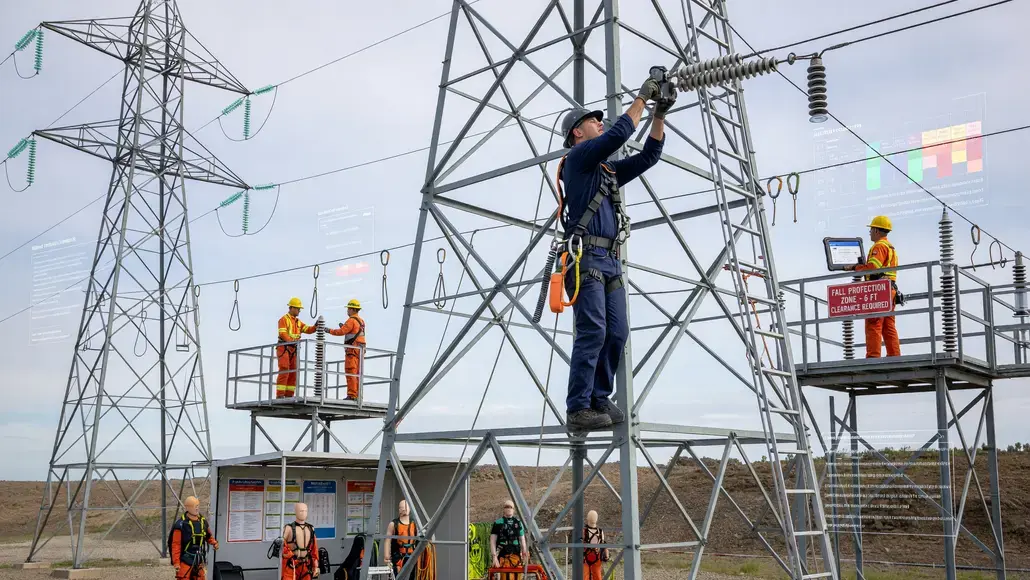

The landscape of modern energy infrastructure is characterized by soaring heights and intricate lattice structures that form the backbone of national power grids. For the professionals tasked with maintaining and expanding these networks, the environment is inherently fraught with risks that demand a sophisticated approach to fall protection in power transmission. As the industry evolves, the shift from basic safety compliance to a comprehensive culture of height safety has become a defining factor in project success. This evolution is driven by the realization that worker safety is not merely a legal obligation but a cornerstone of operational resilience. By prioritizing advanced fall protection in power transmission, utility companies and contractors are navigating the complexities of high-voltage environments with unprecedented precision and security.
Historically, the power sector relied on rudimentary belts and lanyards that offered minimal protection during a fall event. Today, the focus has shifted toward integrated fall protection systems that utilize kinetic energy absorption and active restraint mechanisms. The implementation of fall protection in power transmission now involves a multi-layered strategy that begins at the design phase of transmission towers. Engineers are increasingly incorporating permanent anchor points and safety climb systems into the structural blueprints, ensuring that linemen have reliable tie-off points from the moment they leave the ground. This proactive approach to fall protection in power transmission minimizes the reliance on temporary rigging, which can be prone to human error or environmental degradation.
Engineering Resilience and the Mechanics of Height Safety
The technical superiority of modern height safety equipment has redefined what it means to work safely at extreme elevations. High-performance fall protection in power transmission relies on the seamless interaction between personal protective equipment and the structural integrity of the transmission assets. Self-retracting lifelines, often referred to as SRLs, have become a staple in the industry, providing workers with the freedom of movement required for complex tasks while offering instantaneous locking mechanisms in the event of a slip. These devices are specifically engineered to handle the unique stresses of the power sector, where workers often find themselves in awkward positions or transitioning between different structural members. The integration of such technology ensures that fall protection in power transmission remains effective even in the most challenging geographical terrains.
Beyond the mechanical hardware, the materials used in worker safety solutions have undergone a radical transformation. Modern harnesses are constructed from flame-resistant and high-tenacity fibers that can withstand the rigors of electrical arcing and harsh weather conditions. This specialized fall protection in power transmission equipment is designed to distribute impact forces across the strongest parts of the human body, such as the pelvis and thighs, reducing the likelihood of internal injuries during a fall. Furthermore, the ergonomic design of these systems addresses the long-term physical strain placed on linemen, allowing them to remain productive for longer durations without compromising their safety. The synergy between material science and ergonomic engineering is what makes modern fall protection in power transmission truly effective.
Regulatory Compliance and the Framework of Professionalism
Adhering to safety compliance power sector standards is no longer just about avoiding fines; it is about establishing a reputation for excellence and reliability. Regulatory bodies worldwide have tightened their requirements for fall protection in power transmission, mandating comprehensive risk assessments and the use of certified equipment. Organizations that exceed these minimum requirements often find themselves at a competitive advantage, as they are able to attract top-tier talent and secure high-value contracts. A robust framework for fall protection in power transmission demonstrates a commitment to the well-back of the workforce, fostering a culture where every team member feels empowered to identify and mitigate potential hazards. This cultural shift is essential for maintaining safety in an industry where the margin for error is virtually non-existent.
The documentation and auditing of safety protocols play a vital role in ensuring the longevity of fall protection in power transmission programs. Digital logging systems are now used to track the inspection history and lifecycle of every piece of equipment, from carabiners to permanent horizontal lifelines. This meticulous record-keeping ensures that no worker ever ascends a tower with compromised gear. When fall protection in power transmission is treated as a living system rather than a static set of rules, it becomes an adaptable tool that can respond to the unique challenges of every project. This level of professional oversight is what differentiates industry leaders from those who merely manage to get by.
Training and the Human Element of Safety Systems
No matter how advanced the hardware, the effectiveness of fall protection in power transmission ultimately rests in the hands of the individuals who use it. Comprehensive training programs are the bridge between sophisticated technology and real-world application. Linemen must be proficient in the selection, use, and maintenance of their equipment, understanding the physics of fall clearance and the critical importance of proper anchor selection. Training for fall protection in power transmission has moved beyond the classroom into immersive simulations and field-based exercises that replicate the high-pressure environment of a live transmission site. This hands-on experience builds the muscle memory and situational awareness necessary to prevent accidents before they occur.
Furthermore, the psychology of safety is a critical component of modern training. Encouraging a “brother’s keeper” mentality among crews ensures that fall protection in power transmission is a collective responsibility. Peer-to-peer inspections and open communication about safety concerns create a redundant layer of protection that technology alone cannot provide. When workers are fully invested in the logic and benefits of their fall protection in power transmission systems, they are more likely to utilize them correctly and consistently. This human-centric approach ensures that the investment in high-end safety solutions yields the maximum possible return in terms of lives saved and injuries prevented.
Strategic Integration and Operational Efficiency
One of the most significant misconceptions in the power sector is that rigorous safety measures inherently slow down project timelines. On the contrary, advanced fall protection in power transmission is a major driver of operational efficiency. When workers feel secure in their environment, they are able to focus more intensely on the technical requirements of their tasks. The use of specialized height safety equipment allows for faster transitions between work zones and reduces the downtime associated with manual rigging. By streamlining the processes involved in fall protection in power transmission, companies can achieve higher throughput without increasing the risk profile of their operations.
In conclusion, the pursuit of advanced fall protection in power transmission is a journey toward a safer and more productive energy future. It requires a relentless focus on engineering innovation, regulatory excellence, and human development. As the global demand for electricity continues to grow, the structures that carry that power will only become more complex. Ensuring that the men and women who build and maintain these structures are protected by the best possible fall protection in power transmission systems is not just a priority it is an imperative. Through the constant refinement of technology and the cultivation of a safety-first mindset, the power sector can continue to reach new heights while keeping its most valuable asset, its people, safe from harm.