





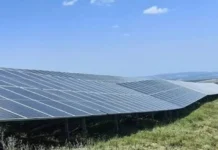






















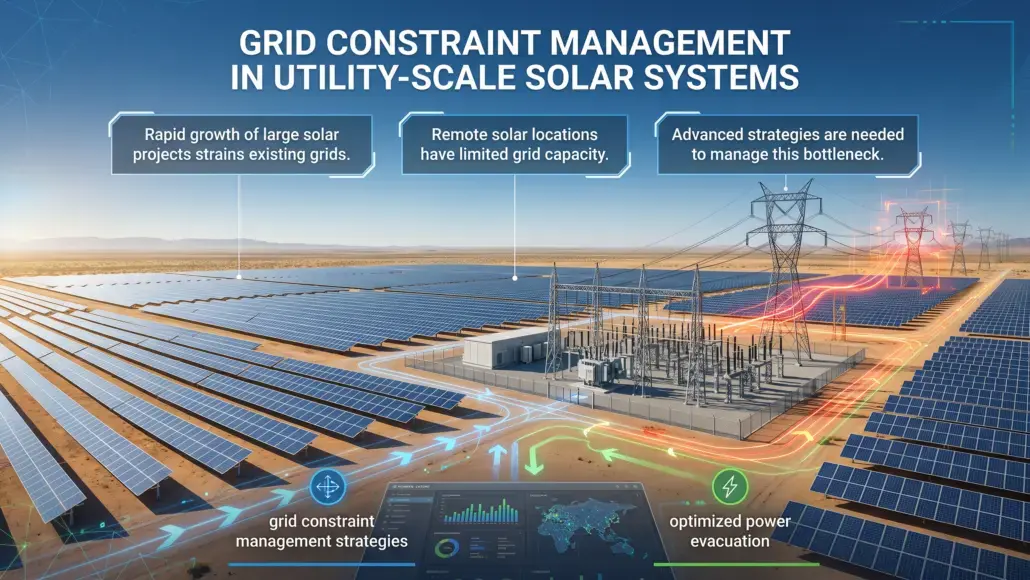

The rapid proliferation of utility-scale solar projects across the globe has placed unprecedented pressure on existing transmission and distribution networks. As large-scale photovoltaic assets are often located in remote areas with high solar irradiance but limited electrical infrastructure, the capacity of the grid to evacuate power becomes a critical bottleneck. This challenge necessitates the implementation of sophisticated grid constraint management strategies to ensure that renewable energy can be integrated without compromising the stability of the power system or requiring prohibitive capital investments in new transmission lines. By utilizing dynamic line rating, energy storage, and advanced power flow control, grid operators and developers can maximize the utilization of current assets while facilitating the transition to a cleaner energy mix. The complexity of managing these constraints is further amplified by the variable nature of solar generation, which can lead to rapid shifts in power flows and localized congestion points that must be addressed in real-time.
Effective grid constraint management is not merely a technical requirement but also an economic imperative for the renewable energy sector. In many markets, high levels of solar penetration have led to significant curtailment, where excess generation is wasted because the grid cannot accommodate it. This loss of potential revenue impacts the financial viability of projects and slows down the overall pace of decarbonization. To address this, developers are increasingly turning to hybrid solutions that combine solar generation with battery storage, allowing them to time-shift power delivery and avoid periods of peak congestion. These systems provide a buffer that can absorb excess energy during times of high irradiance and release it when transmission capacity becomes available, thereby optimizing the economic output of the facility while providing valuable support to the grid operator.
Dynamic Line Rating and Real-Time Transmission Optimization
One of the most effective tools for grid constraint management is the adoption of dynamic line rating technology. Traditional transmission line ratings are based on static, worst-case seasonal assumptions regarding ambient temperature and wind speed, which often result in conservative limits that do not reflect actual physical capacity. By deploying sensors that monitor real-time environmental conditions, grid operators can dynamically adjust the thermal limits of transmission lines, often revealing significant latent capacity during periods of high wind or lower temperatures. This approach allows for higher volumes of solar energy to be transmitted through existing corridors, reducing the immediate need for expensive and time-consuming infrastructure upgrades. The integration of these real-time data feeds into utility management systems enables more precise dispatch decisions, ensuring that the grid operates as close to its physical limit as possible without risking damage to conductors or other critical components.
Furthermore, the use of power flow controllers, such as phase-shifting transformers and modular power flow control devices, provides additional levers for grid constraint management. These technologies allow operators to actively redirect power away from congested lines and onto underutilized paths within the network. By balancing the load across the entire system, utilities can alleviate localized bottlenecks and improve the overall efficiency of power delivery. This level of control is particularly important during emergency events or maintenance outages, where the ability to quickly reconfigure the network can prevent cascading failures and maintain service continuity for end-users. As the grid becomes more complex with the addition of decentralized renewable sources, the role of these active management tools will continue to expand, providing the flexibility needed to handle a highly variable generation profile.
Strategic Deployment of Energy Storage for Congestion Relief
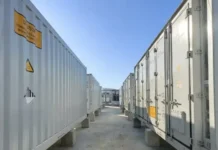
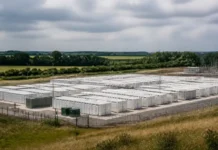
Energy storage systems have emerged as a foundational component of modern grid constraint management strategies, offering a versatile solution for managing both temporal and spatial constraints. By placing large-scale battery systems at strategic points within the transmission network, utilities can provide localized congestion relief during periods of peak solar generation. These batteries act as virtual transmission assets, absorbing energy that would otherwise be curtailed and releasing it during times of lower demand or higher capacity availability. This capability not only improves the utilization of renewable assets but also defers the need for traditional poles-and-wires investments, which can take years or even decades to site and construct. The modular nature of modern lithium-ion and flow battery systems allows for rapid deployment, making them an ideal solution for addressing urgent grid constraints in fast-growing renewable energy hubs.
In addition to providing energy shifting, storage assets can also offer fast-acting ancillary services that enhance the resilience of the grid under constrained conditions. Fast frequency response and voltage regulation are critical for maintaining stability when the network is operating near its limits. By responding to grid deviations in milliseconds, energy storage systems can mitigate the impact of sudden changes in solar output, providing the stability needed to integrate higher levels of variable generation. The coordination of these assets through automated energy management platforms ensures that their operation is optimized for both the needs of the individual plant and the requirements of the broader power system. This holistic approach to storage integration is essential for creating a flexible and resilient grid that can support the ambitious renewable energy targets set by governments and corporations around the world.
Advanced Control Algorithms and Predictive Grid Management
The complexity of modern power networks requires the use of advanced control algorithms and predictive modeling to facilitate effective grid constraint management. By leveraging historical generation data and high-resolution weather forecasts, grid operators can predict potential congestion events hours or even days in advance. This foresight allows for proactive management of generation resources, such as adjusting the dispatch schedules of hybrid solar-storage plants or coordinating the operation of demand-response programs. These predictive tools reduce the reliance on reactive measures, which are often more costly and less efficient. The integration of machine learning into these management systems further improves their accuracy, as the algorithms can learn from past grid behavior and identify subtle patterns that may indicate the onset of a constraint.
Moreover, the development of decentralized control architectures, such as microgrids and local energy communities, provides a bottom-up approach to grid constraint management. By balancing supply and demand at the local level, these systems reduce the overall burden on the high-voltage transmission network. This localized balancing is particularly effective in urban areas with high concentrations of commercial and industrial solar installations, where the existing distribution infrastructure may be reaching its capacity limits. The use of blockchain-based peer-to-peer energy trading platforms can further incentivize local balancing by allowing participants to monetize their flexibility and support the stability of the local grid. As these technologies mature, they will play an increasingly important role in creating a more efficient and democratic energy system that is less dependent on centralized transmission infrastructure.
Regulatory and Market Frameworks for Constraint Mitigation
The successful implementation of grid constraint management also depends on the existence of supportive regulatory and market frameworks. In many jurisdictions, current market rules do not adequately reward the flexibility provided by storage or other advanced grid management technologies. Transitioning toward more granular pricing mechanisms, such as nodal or locational marginal pricing, can provide the necessary price signals to encourage investment in congestion-mitigating assets at the points where they are most needed. These market designs reflect the true cost of delivering power to different locations on the grid, incentivizing developers to locate their projects in areas with surplus capacity or to include storage to manage their own constraints. This alignment of economic incentives with physical grid realities is essential for minimizing the total cost of the energy transition.
Additionally, regulatory reforms that allow for the recovery of costs associated with non-wires alternatives, such as grid-scale batteries or demand-response programs, can accelerate the adoption of innovative grid constraint management solutions. Historically, utility business models have favored capital-intensive transmission projects, which may not always be the most efficient way to address localized congestion. By decoupling utility profits from capital expenditure and providing incentives for operational efficiency, regulators can encourage the use of more flexible and cost-effective grid management tools. International cooperation and the standardization of grid codes also play a vital role in facilitating the cross-border integration of renewable energy, allowing for the sharing of balancing resources and the mitigation of constraints over a wider geographic area. This regional approach to grid management is particularly important in areas with high levels of interconnected renewable generation, where the actions of one grid operator can have significant impacts on neighboring networks.
Technical Evolution of Power Electronics in Constraint Management
The continued evolution of power electronics is another critical driver for improved grid constraint management. Modern solar inverters are equipped with advanced features that allow them to provide reactive power support and voltage regulation, even when the facility is not generating active power. This capability is essential for maintaining the voltage stability of constrained networks, particularly those with long transmission lines and low short-circuit levels. The development of grid-forming inverters, which can set their own frequency and voltage references, represents a major leap forward in the integration of solar power. These devices can mimic the behavior of traditional synchronous generators, providing the inertia and fault-current capability needed to maintain grid stability during disturbances. As more utility-scale solar plants adopt grid-forming technology, the technical barriers to high renewable penetration will continue to fall.
Furthermore, the integration of wide-bandgap semiconductors, such as silicon carbide, into power conversion systems is increasing the efficiency and reducing the size of grid management hardware. These materials allow for higher switching frequencies and better thermal performance, enabling the creation of more compact and reliable power flow controllers and energy storage inverters. This technical progress reduces the physical footprint and the overall cost of deploying advanced grid management solutions, making them more accessible for a wider range of applications. As the energy system becomes more digitalized and decentralized, the role of power electronics as the interface between generation, storage, and the grid will only grow in importance. The ability to precisely control the flow of electricity at every point in the network is the key to managing constraints and ensuring a reliable, affordable, and sustainable power supply for the future. The ongoing innovation in this field promises to provide the tools needed to overcome the remaining challenges of solar integration and pave the way for a fully renewable energy future.