


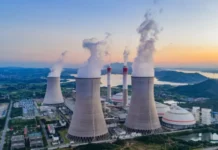
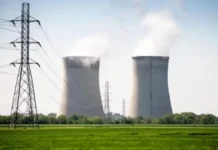
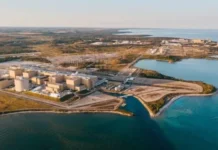
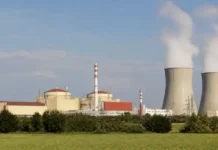

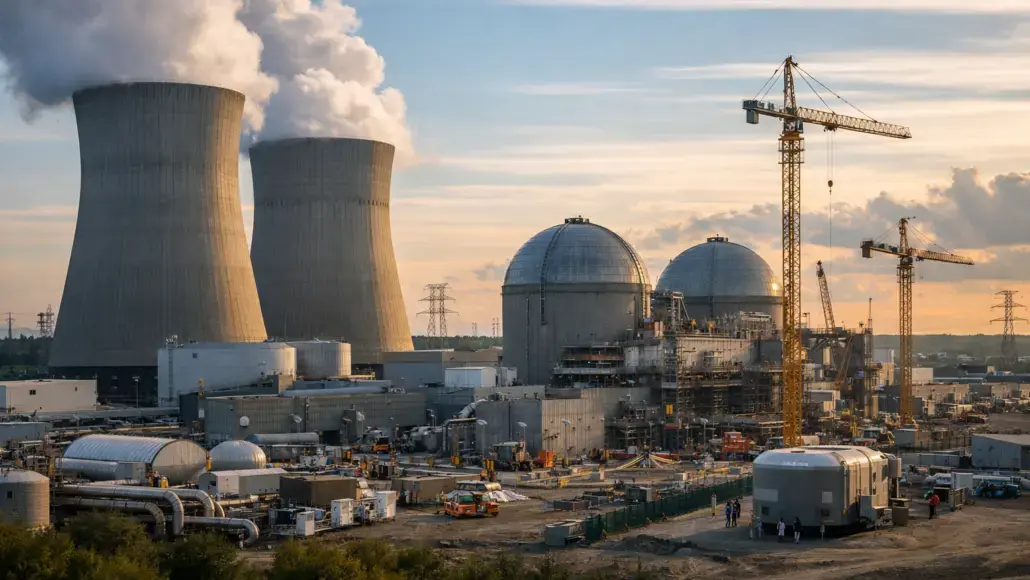

The global nuclear reactor expansion accelerates worldwide as companies and governments seek reliable, low-carbon power for a rapidly changing energy market. The latest growth is taking several forms, from upgrades to existing reactors and advanced nuclear projects to microreactors, new fuel infrastructure and strategic construction partnerships.
The trend is particularly visible in the US, where rising electricity demand from data centers and industrial facilities is creating new opportunities for nuclear generation. Major companies including Google, Amazon, Constellation Energy, TerraPower, Kairos Power, Samsung C&T, Ameresco, Terrestrial Energy, Centrus Energy and Radiant are advancing projects that could reshape the nuclear power landscape.
Technology Companies Drive Nuclear Investment
Google’s agreement with Constellation Energy illustrates how major technology companies are becoming increasingly involved in nuclear power. Google has signed a 20-year power purchase agreement covering 890 MW of electricity from nuclear plants that will be upgraded to increase output.
The agreement forms part of a broader 3,590-MW power arrangement, while Constellation is expected to invest around $4.3 billion to increase capacity at nuclear reactors in Illinois, Pennsylvania and New Jersey. Electricity from the first upgraded facility is expected to reach Google in 2028.
The agreement reflects growing demand for dependable electricity as data centers place additional pressure on power grids. It also demonstrates how upgrading existing nuclear facilities can provide additional generation without waiting for an entirely new reactor to be built.
This is becoming an important element of the global nuclear reactor expansion accelerating worldwide trend, with established nuclear plants increasingly viewed as strategic assets that can deliver additional capacity through modernization and uprates.
Existing Reactors Offer Faster Capacity Growth
Amazon is pursuing a similar strategy through its agreement with Constellation at Maryland’s Calvert Cliffs nuclear facility.
The 1.79-GW plant is scheduled for a major upgrade, including a planned 190-MW capacity increase. Additional generation is expected during 2030–32, allowing the facility to provide more electricity to the PJM Interconnection grid.
The projects demonstrate that nuclear expansion does not always require entirely new power stations. Reactor upgrades can provide:
- Additional generation: Existing sites can produce more electricity without developing new locations.
- Extended asset value: Modernization can support continued operation of established reactors.
- Grid reliability: Increased nuclear generation can strengthen electricity supplies.
- Greater power security: Long-term agreements provide large electricity users with greater supply certainty.
As demand for dependable electricity grows, reactor uprates could therefore complement the longer-term development of new nuclear plants.
Advanced Reactors Expand the Market
The next stage of the global nuclear reactor expansion accelerates worldwide through advanced reactor technologies designed for more specialized applications.
At Aberdeen Proving Ground in Maryland, Ameresco and Terrestrial Energy are advancing a project involving the company’s Integral Molten Salt Reactor, or IMSR. The project is intended to provide commercial power while strengthening energy resilience at the US Army facility.
Terrestrial Energy’s IMSR Plant is designed as a 390-MWe Generation IV reactor capable of producing electricity and high-temperature industrial heat. The company says the design uses standard-assay low-enriched uranium containing less than 5% uranium-235.
The project demonstrates how advanced nuclear systems could serve customers beyond conventional utilities. Military installations, industrial facilities and other energy-intensive operations could become important markets for smaller and more flexible nuclear technologies.
Microreactors Create New Fuel Demand
As advanced reactor development progresses, the nuclear supply chain must expand alongside it.
Centrus Energy and Radiant have announced a multi-year agreement under which Centrus will supply high-assay low-enriched uranium, or HALEU, for multiple Radiant Kaleidos microreactors. Deliveries are expected to begin before the end of the decade, while payments from Radiant will support Centrus’ domestic commercial enrichment capacity.
Radiant is developing transportable Kaleidos microreactors for commercial, industrial and national-security applications. Securing an appropriate fuel supply is therefore an important part of bringing the technology toward commercial deployment.
The agreement highlights a critical point about nuclear expansion: building reactors is only one part of the process. Developers also require fuel production, enrichment, engineering and manufacturing capabilities to support large-scale deployment.
Construction Partnerships Become More Important
Advanced reactor developers are also seeking experienced engineering and construction partners capable of turning innovative designs into repeatable projects.
Kairos Power and Samsung C&T are pursuing a strategic investment and collaboration involving Kairos’ fluoride salt-cooled, high-temperature reactor technology. Samsung C&T has agreed to provide up to $100 million through investment and engineering services, subject to regulatory approvals, to support the Hermes 2 demonstration plant in Oak Ridge, Tennessee.
Samsung C&T will also join Kairos Power’s integrated EPC team, initially supporting power-generation systems and balance-of-plant activities.
The partnership combines reactor technology with engineering and construction expertise. That combination could become increasingly important as advanced nuclear companies move from demonstration projects toward commercial fleets.
Challenges of Scaling
TerraPower’s Natrium project in Wyoming highlights both the momentum surrounding advanced nuclear power and the challenges of delivering complex projects.
The company has reopened the EPC competition for its approximately $4 billion project after deciding to move separately from Bechtel for the next phase of full EPC work. Bechtel will continue work on the Sodium Test and Fill Facility, while the main EPC contract is rebid. TerraPower continues to target completion of Kemmerer Unit 1 in 2030.
Construction of the 345-MW reactor began in 2026. The Natrium system combines a sodium-cooled fast reactor with molten-salt energy storage, allowing the plant to provide 345 MW of steady generation and increase output to 500 MW during peak demand.
The project also points toward future scaling, with Hyundai Engineering & Construction selected as EPC contractor for as many as eight subsequent Natrium reactors.
Nuclear Expansion Builds a Wider Ecosystem
The projects underway demonstrate that the global nuclear reactor expansion accelerates worldwide through an increasingly interconnected industrial ecosystem.
Key participants include:
- Utilities and reactor operators upgrading existing nuclear assets.
- Technology companies provide long-term demand through power agreements.
- Advanced reactor developers developing new reactor architectures.
- Engineering and construction companies supporting commercial deployment.
- Fuel suppliers expanding HALEU and other nuclear fuel capabilities.
This wider ecosystem is essential because nuclear deployment depends on multiple components progressing together. Reactor designs require regulatory approval, customers require dependable power, developers need construction partners and advanced technologies require suitable fuel supplies.
Conclusion
The global nuclear reactor expansion accelerates worldwide as nuclear power gains renewed commercial momentum from rising electricity demand, industrial growth and the development of advanced technologies.
Google and Amazon are supporting additional output from existing nuclear facilities, while Ameresco and Terrestrial Energy are developing advanced nuclear applications. Centrus Energy and Radiant are addressing fuel requirements for microreactors, and Kairos Power and Samsung C&T are strengthening the engineering capabilities needed for future deployment. TerraPower’s Natrium project meanwhile demonstrates both the opportunities and complexities involved in scaling advanced reactor construction.
The next phase of nuclear growth will therefore depend not only on constructing new reactors, but also on modernizing existing plants, securing fuel, developing standardized technologies and creating reliable construction and supply chains. If these elements continue to advance together, nuclear power could enter a broader period of expansion across electricity generation, industry, infrastructure and specialized applications.