




































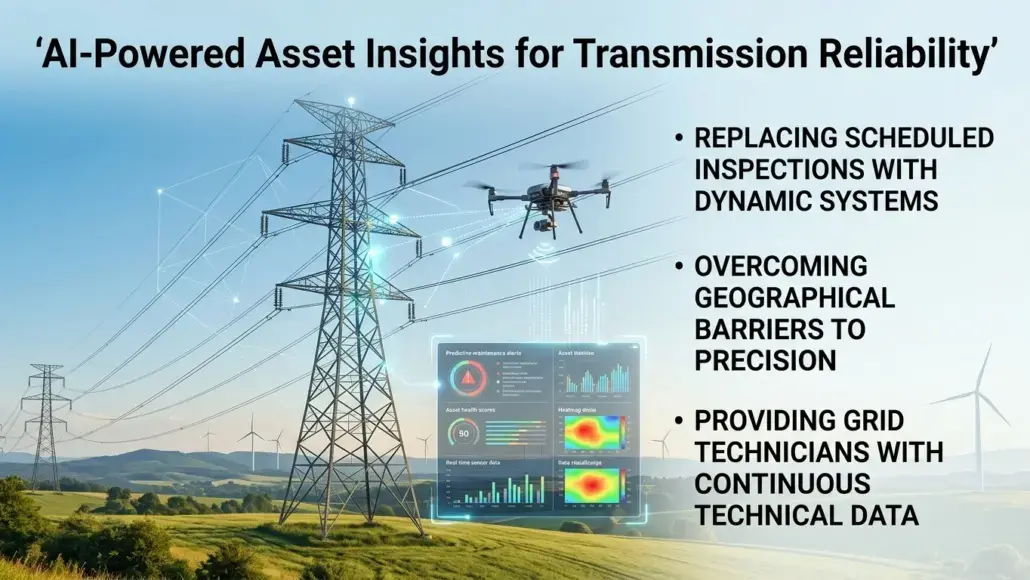

The geographical and logistical barriers that have historically limited the precision of asset management are being dismantled by the rapid proliferation of artificial intelligence. For many utilities, the traditional model of scheduled inspections is being replaced by a more dynamic and responsive system of oversight. This evolution is driven by the fact that AI-powered asset insights improve transmission reliability by providing technicians of the grid with a continuous stream of technical data from every critical component. This shift from reactive to proactive management is a fundamental requirement for addressing the growing global burden of an aging and increasingly stressed power infrastructure.
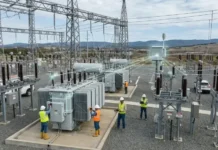
Predictive maintenance involves the use of sensors and analytical software to track indicators such as dissolved gas in transformers, the timing of circuit breaker operations, and the thermal profile of switchgear. This data is transmitted securely to a centralized platform, where machine learning algorithms can identify the subtle signs of degradation. This capability is particularly important for remote substations, where a physical visit is time-consuming and expensive. By bringing the expertise of the laboratory into the field, AI-powered asset insights improve transmission reliability for regions that have traditionally faced significant disparities in grid quality and maintenance speed.
Predictive Maintenance and Technical Accuracy
The integration of predictive analytics into the broader utility technology ecosystem allows for a more seamless coordination of maintenance services. Repair visits can be scheduled based on the data received from monitoring devices, ensuring that interventions are both timely and necessary. This targeted approach to asset management reduces the strain on technical crews and maintenance budgets, allowing resources to be focused on the components that need them most. The synergy between data analytics and physical maintenance is a cornerstone of the modern effort to create a more efficient and equitable power system.
Digital asset platforms are also empowering technical teams to take a more active role in their own resource management. When engineers can see the real-time health of their assets and understand how different loads affect their degradation, they are more likely to implement life-extension strategies. This increased engagement is a critical factor in the long-term success of grid reliability programs. The evidence suggests that AI-powered asset insights improve transmission reliability not only by providing data to managers but also by fostering a sense of accountability and precision among the technical workforce.
Operational Reliability and Transformer Monitoring
For utility providers, the primary benefit of these systems is the ability to identify potential failures before they escalate into acute crises. Analytical software can scan incoming data for anomalies, alerting the team to changes that may require immediate attention. This early warning system allows for interventions that can prevent catastrophic transformer failures and improve the overall quality of service for the customer. In this way, AI-powered asset insights improve transmission reliability by creating a safety net that protects the grid around the clock, regardless of its physical proximity to a main service center.
The financial case for intelligent asset management is becoming increasingly clear. By reducing the frequency of emergency repairs and extending the useful life of expensive equipment, predictive maintenance can lead to significant cost savings for both the utility and its investors. Additionally, the ability to manage a larger fleet of assets with the same technical staff increases the operational efficiency of the organization. As regulatory models move toward performance-based rates, the role of intelligence in driving better outcomes at a lower cost will continue to grow in importance.
Data Analytics and Strategic Investment Planning
Utility innovation is focusing on making monitoring sensors more user-friendly and less intrusive. Wireless sensors that are integrated into existing equipment or installed as simple external modules are replacing the complex wiring of the past. These advancements make it easier for utilities to deploy monitoring across their entire network over a short period. As the technology becomes more accessible, the barrier to adoption for smaller cooperatives and regional utilities is reduced, further supporting the reach of grid reliability programs. The focus is on creating a technology environment that fits into the existing operational life of the utility.
The security of asset data is a top priority for any organization implementing intelligent monitoring solutions. Robust encryption and secure data storage are essential for maintaining the trust of both regulators and the public in the digital grid ecosystem. As the volume of data generated by connected assets increases, the industry must invest in the infrastructure necessary to handle this information safely and efficiently. Cybersecurity is a fundamental component of grid safety in the digital age, ensuring that the benefits of remote oversight are not compromised by external threats.
Enhancing Grid Resilience and Future Capability
The role of artificial intelligence in analyzing the vast amounts of data generated by asset monitoring cannot be overstated. AI algorithms can identify subtle trends and correlations that may be missed by human observers, providing deeper insights into the equipment’s condition. These insights can be used to personalize maintenance plans and predict future health events with increasing accuracy. The combination of human technical expertise and machine intelligence is a powerful tool for improving the management of transmission reliability across a global infrastructure.
Global power organizations are recognizing the potential of these technologies to address infrastructure inequities on a massive scale. In regions where the shortage of skilled technicians is most acute, intelligent monitoring can provide a vital link to expert analysis. By utilizing existing communication networks, digital asset programs can reach remote areas that have traditionally lacked regular maintenance oversight. This global perspective is essential for understanding the full impact of how AI-powered asset insights improve transmission reliability for all communities.
In conclusion, the transition toward a more connected and data-driven approach to asset management is a defining feature of the 21st century. By breaking down the barriers of time and distance, intelligent monitoring is creating a more responsive and asset-centered power system. It is clear that AI-powered asset insights improve transmission reliability by providing the continuous oversight and timely intervention that are necessary for long-term grid health and sustainability.