






























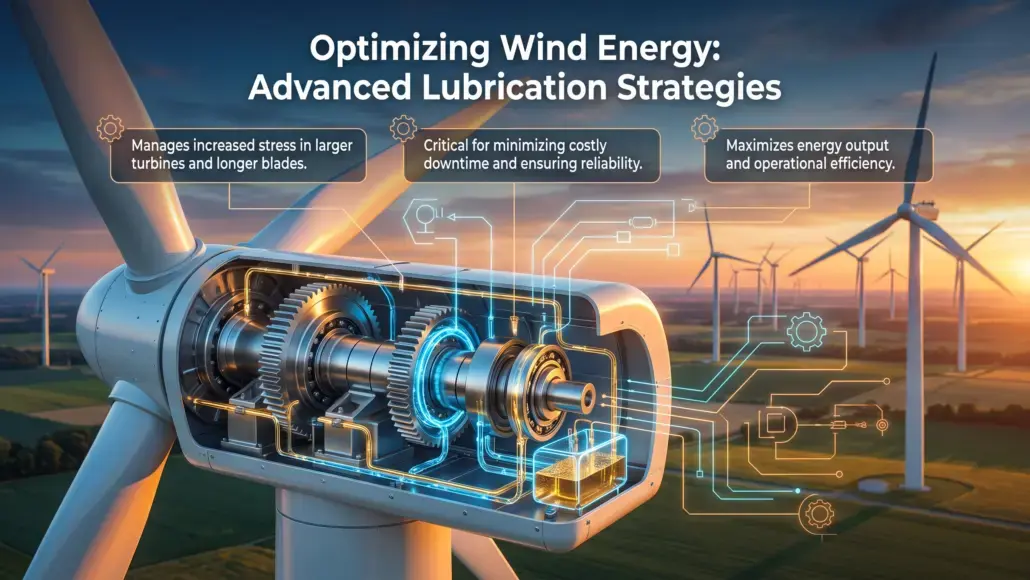

The efficiency of modern power generation systems depends heavily on the mechanical integrity of rotating components, particularly those found within high capacity wind turbines. As the industry moves toward larger nacelles and longer blades, the internal stresses on gearboxes and main bearings increase exponentially. Wind turbine lubrication strategies improving component reliability are becoming a focal point for asset owners who seek to minimize downtime and maximize the energy output of their portfolios. The chemistry of the lubricant itself must be engineered to withstand extreme pressure and significant temperature fluctuations while maintaining a stable viscosity index. Synthetic lubricants have largely superseded mineral oils in these applications because of their superior oxidation stability and lower pour points, which are essential for operation in harsh offshore environments or cold climate land based sites.
High performance synthetic oils provide a protective film that prevents metal to metal contact under high torque conditions. This film thickness is critical when the turbine is operating at low speeds or during startup when the hydrodynamic pressure is not yet fully established. By selecting lubricants with specific friction modifiers and anti wear additives, engineers can ensure that the mechanical components are protected from micropitting and scuffing. These surface phenomena, if left unchecked, lead to catastrophic gearbox failure and expensive replacement campaigns. The transition to specialized formulations tailored for specific turbine models represents a significant advancement in the field of industrial maintenance. These formulations are often the result of years of research and development, involving rigorous bench testing and field trials to validate their performance under simulated extreme conditions.
The ability to predict how a lubricant will behave after thousands of hours of service is a key factor in the development of these advanced fluids, providing operators with the confidence they need to deploy them in high value assets. The precision with which these lubricants are now formulated allows for a more granular approach to asset protection, where the specific metallurgy of the gears and bearings is taken into account when selecting the additive chemistry. This level of technical sophistication is a hallmark of the modern approach to power generation maintenance, where every detail is optimized for maximum efficiency.
In addition to viscosity management, the ability of a lubricant to handle water contamination is a primary concern. Offshore turbines are constantly exposed to moisture and salt spray, which can degrade the chemical structure of the oil and lead to corrosion. Advanced lubrication strategies prioritize the use of lubricants with excellent demulsibility, allowing water to separate quickly from the oil so it can be removed via filtration or drainage. This proactive approach to fluid health ensures that the lubrication system remains functional even in the most demanding maritime conditions.
Integrating Automated Delivery Systems with Real Time Data Analytics
Manual lubrication intervals are often insufficient for the needs of 24/7 power generation assets. The integration of automated lubrication systems (ALS) has become a standard practice for modern turbine designs, as these systems deliver precise amounts of grease or oil to critical points at optimal intervals. When combined with real time data analytics, Wind turbine lubrication strategies improving component reliability evolve from reactive maintenance to predictive asset management. Sensors embedded within the lubrication lines and components can monitor pressure, flow rates, and fluid temperature, providing a continuous stream of data to the central control system.
The use of vibration analysis alongside oil condition monitoring allows operators to detect early signs of component fatigue. For instance, an increase in metallic debris within the oil filter can indicate that a bearing is beginning to fail long before the damage becomes visible or audible. By analyzing the morphology and concentration of these wear particles, maintenance teams can determine the exact nature of the wear and schedule repairs during planned outages. This data driven approach eliminates the guesswork associated with traditional maintenance schedules and ensures that every gram of lubricant is utilized effectively. The integration of these diagnostic tools into a unified asset management platform provides a comprehensive view of the health of the entire turbine fleet. Operators can now visualize trends in lubricant degradation and component wear across hundreds of units, allowing them to identify systemic issues and implement corrective actions before they impact the bottom line. The shift toward this proactive model of maintenance is a major factor in the improving economics of the wind energy sector, as it significantly reduces the risk of unplanned downtime and the associated costs of emergency repairs. The ability to manage these complex datasets in real time is a testament to the digital maturation of the industry, where software is as important as hardware in ensuring the reliability of the power grid.
Additionally, cloud based platforms enable fleet wide monitoring, allowing operators to compare the performance of different lubrication protocols across various geographic regions. If a specific lubricant formulation performs exceptionally well in a high humidity environment, that data can be used to optimize the lubrication strategies for other turbines in similar locations. The synergy between mechanical hardware and digital software creates a feedback loop that continuously improves the reliability of the entire energy production system.
Mitigating Surface Degradation through Advanced Additive Packages
The mechanical surfaces within a turbine gearbox are subject to intense frictional forces that can lead to various forms of surface degradation. Pitting, spalling, and adhesive wear are common issues that plague aging turbine fleets. To combat these challenges, chemical engineers have developed advanced additive packages that work at the molecular level to reinforce metal surfaces. These additives include extreme pressure agents, corrosion inhibitors, and foam suppressants, all of which play a vital role in maintaining the structural integrity of the drivetrain.
Extreme pressure additives react with the metal surfaces under high loads to form a sacrificial layer that prevents welding and tearing of the metal. This layer is particularly important in the contact zones between gear teeth, where the pressure can exceed several gigapascals. By maintaining this protective barrier, Wind turbine lubrication strategies improving component reliability help to extend the design life of the gearbox, which is often the most expensive component to replace. The selection of these additives must be carefully balanced to ensure they do not cause chemical erosion of yellow metals or other sensitive alloys used in bearing cages.
Corrosion protection is another critical function of the additive package. In environments where moisture ingress is unavoidable, vapor phase inhibitors can provide protection to the internal surfaces of the gearbox that are not directly submerged in oil. This comprehensive protection strategy ensures that every square millimeter of the internal machinery is shielded from the elements. As turbine technology continues to scale, the demands on these chemical packages will only increase, requiring ongoing innovation from lubricant manufacturers and turbine designers alike.
Operational Cost Reductions via Extended Maintenance Intervals
The financial viability of wind energy projects depends on the ability to minimize operational and maintenance costs. Traditional lubrication cycles often require frequent technician visits to the nacelle, which involves significant labor costs and safety risks, especially in offshore settings. By implementing high performance Wind turbine lubrication strategies improving component reliability, operators can extend the time between oil changes and grease refills. Synthetic lubricants with high thermal stability can often last two to three times longer than conventional alternatives, reducing the volume of oil that must be purchased, transported, and disposed of.
Extended drain intervals also mean fewer opportunities for human error during the maintenance process. Every time a lubrication system is opened for servicing, there is a risk of introducing contaminants like dust, moisture, or incorrect fluid types. Automated systems and long life lubricants minimize these interventions, leading to a cleaner and more stable operating environment. The reduction in oil consumption also has a direct impact on the carbon footprint of the maintenance activities, aligning the operational goals with the broader sustainability objectives of the renewable energy sector.
The implementation of these strategies requires an initial investment in high quality fluids and monitoring hardware, but the long term savings are substantial. A single avoided gearbox failure can save hundreds of thousands of dollars in component costs, crane rentals, and lost revenue. For large scale utilities, these savings aggregate across the entire fleet, significantly improving the internal rate of return for the project. The transition toward these sophisticated lubrication protocols is not merely a technical choice but a strategic business decision that supports the long term profitability of power generation assets.
Environmental Sustainability in Lubrication Lifecycle Management
As the wind energy sector grows, the environmental impact of its maintenance activities comes under closer scrutiny. The management of used lubricants is a critical aspect of environmental stewardship in power generation. Bio based and biodegradable lubricants are gaining traction as viable alternatives to petroleum based products, especially in sensitive marine environments where a leak or spill could have significant ecological consequences. These fluids are designed to break down naturally without leaving harmful residues, providing a safer option for offshore wind farms.
Lifecycle management also involves the recycling and repurposing of used oils. Many lubricant manufacturers now offer “closed loop” services where used turbine oil is collected, refined, and returned to the supply chain as high quality base oil. This circular economy approach reduces the reliance on virgin crude oil and minimizes the volume of waste generated by the industry. By adopting Wind turbine lubrication strategies improving component reliability that incorporate these sustainable practices, asset owners can enhance their environmental, social, and governance (ESG) ratings while maintaining high levels of technical performance.
The future of turbine lubrication will likely see the development of even more specialized fluids that are tailored to the specific needs of next generation direct drive and medium speed drivetrains. These systems have different lubrication requirements than traditional high speed gearboxes, necessitating a shift in how lubricants are selected and managed. The evolution of these technologies requires a deep understanding of the tribological interactions within the new drivetrain architectures, where higher torque densities and varying rotational speeds create unique stress profiles. Lubricant manufacturers are now collaborating closely with original equipment manufacturers to co-design fluids that complement the mechanical design of these advanced systems.
Regardless of the technology, the primary goal remains the same: to ensure that the mechanical heart of the wind turbine continues to beat reliably for decades to come. Through a combination of advanced chemistry, digital integration, and sustainable management, the industry is well positioned to meet the challenges of the global energy transition. This transition is not only about replacing fossil fuels but also about ensuring that the new energy infrastructure is as durable and efficient as possible.
By prioritizing advanced maintenance protocols, the power generation sector can secure its role as a stable and dependable provider of clean electricity for the global market. The ongoing investment in these technical solutions reflects a broader commitment to operational excellence and long term asset preservation in the face of an increasingly dynamic energy environment. Every advancement in lubrication technology contributes to a more resilient and sustainable power grid, demonstrating the vital role of industrial chemistry in the success of renewable energy projects around the world. The integration of these strategies into the standard operating procedures of global energy companies will continue to drive progress and set new benchmarks for reliability in the years ahead.