








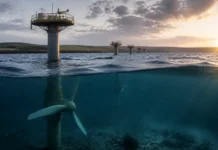
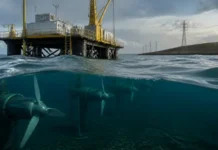
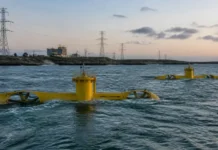
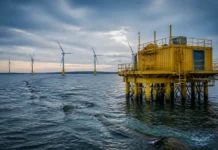



















As tidal energy matures from pilot projects to utility scale arrays, the architectural complexity of undersea power collection is becoming a primary focus for marine engineers. In a commercial tidal farm consisting of dozens of turbines, connecting each individual unit to the shore with its own dedicated cable is neither economically feasible nor technically practical. This challenge is addressed through the implementation of subsea connection hubs, which serve as centralized gathering points for electricity generated across the array. These durable underwater units allow multiple turbines to be linked to a single, high capacity export cable, significantly reducing the amount of subsea cabling required and simplifying the overall grid integration process.
The development of these hubs represents a major shift in how tidal arrays are designed and installed. By centralizing the electrical connections on the seabed, developers can optimize the layout of their turbines to capture the maximum amount of energy from the tidal flow while minimizing the physical footprint of the project. Additionally, subsea connection hubs provide a modular platform for project expansion, allowing new turbines to be added to the array without the need for additional long distance transmission infrastructure. This modularity is essential for driving down the levelized cost of energy (LCOE) and making tidal power a more competitive player in the renewable energy market. The reduction in cabling also lowers the risk of interference with other seabed activities, such as telecommunications and shipping.
Technical Architecture of Subsea Connection Points
The internal design of subsea connection hubs is a marvel of marine engineering, requiring the integration of high voltage electrical components within a hermetically sealed, pressure resistant housing. These units must be capable of operating at significant depths for decades without direct human intervention. The core function of the hub is to aggregate the power from several lower voltage turbines and condition it for export. This process often involves the use of subsea switchgear and transformers to step up the voltage, which reduces energy losses during the journey to the shore. The integration of high bandwidth communication modules also allows the hub to act as a data relay for the entire array, transmitting sensor data from each turbine to the surface.
The housing of the hub is typically constructed from high strength steel or reinforced composites to withstand the immense hydrostatic pressure and the corrosive effects of seawater. Inside, the electrical components are often submerged in a dielectric fluid, such as silicon oil, which provides both insulation and cooling. This fluid filled design also helps to equalize the internal and external pressures, reducing the structural stress on the housing and allowing for a more lightweight design. To ensure the reliability of the system, subsea connection hubs are equipped with redundant components and automated fault detection systems that can isolate a malfunctioning turbine or cable section without taking the entire array offline. Specialized thermal management systems are also included to dissipate the heat generated by the high power transformers and switchgear into the surrounding seawater.
Simplifying Undersea Cable Management
One of the most immediate benefits of utilizing subsea connection hubs is the dramatic simplification of cable management on the seabed. In a traditional point to point connection model, the seabed would be crisscrossed with a web of individual turbine cables, increasing the risk of damage from anchors or fishing gear and making maintenance a logistical nightmare. By funneling the output of several turbines into a single hub, developers can streamline the cable routes and reduce the number of landfall points required. This not only lowers the capital cost of the project but also reduces the environmental impact on the coastal zone, which is often a sensitive area for biodiversity.
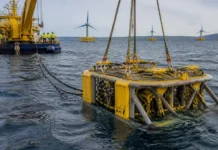
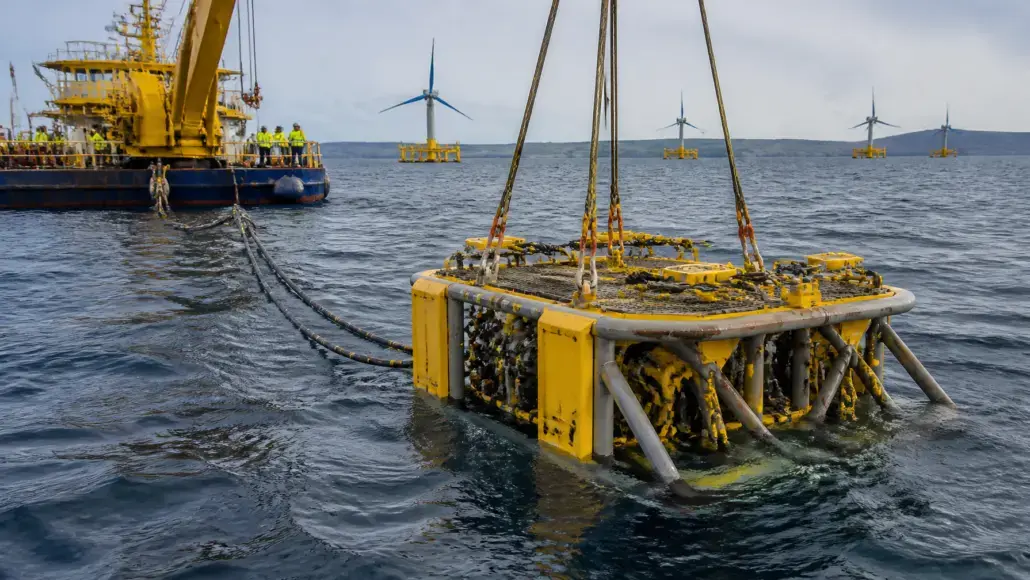
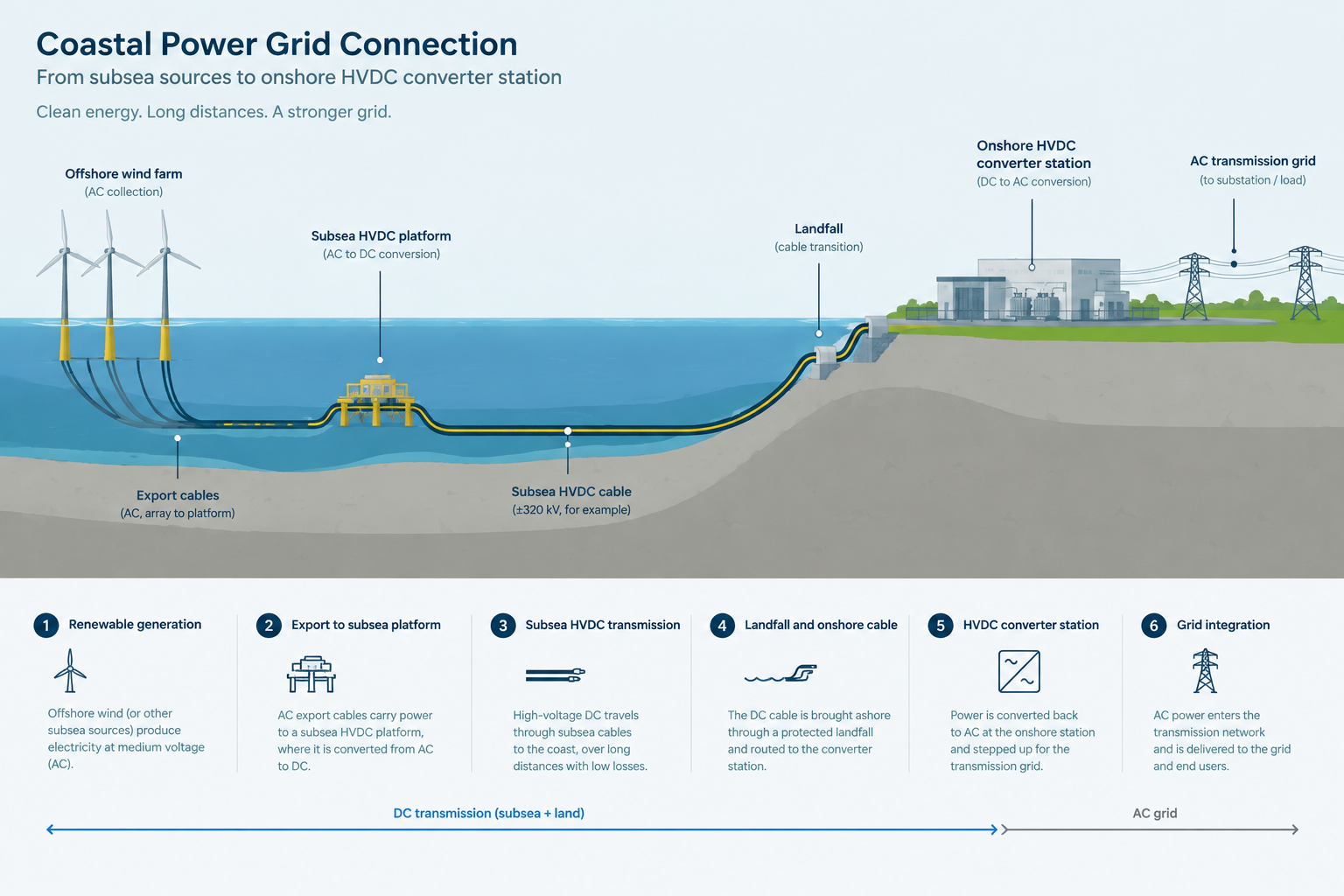
The installation of these hubs requires specialized offshore vessels and precision maneuvering, particularly in the high energy environments favored for tidal energy projects. Modern installation techniques often involve the use of heavy lift cranes and remote operated vehicles (ROVs) to accurately place the hub on a prepared seabed foundation. Once in place, the turbines are connected to the hub using specialized wet mate connectors, which allow for electrical and mechanical links to be established underwater efficiently. The integration of Power Conversion Technologies within these hubs allows for the direct conditioning of electricity on the seabed, ensuring that the aggregated output is grid compatible before transmission. This subsea conditioning also simplifies the design of the onshore converter station, as it receives a more stable and uniform power supply.
Enhancing Array Scalability and Flexibility
The modular nature of subsea connection hubs is a critical factor in the long term scalability of tidal energy projects. Developers can begin with a small number of turbines and a single hub, then gradually add more capacity as the project proves its viability. This “plug and play” approach reduces the initial financial risk of the project and allows for more flexible financing and development timelines. As the array grows, additional hubs can be linked together in a ring or star configuration, providing multiple pathways for the power to reach the shore and increasing the overall resilience of the system. This architectural flexibility also allows for the integration of different turbine technologies within the same array.
Flexibility is also provided in terms of the types of turbines that can be connected to the hub. As tidal turbine technology continues to evolve, developers may want to replace older units with newer, more efficient models. Subsea connection hubs allow for these upgrades to be performed with minimal disruption to the rest of the array. Key features that enhance this scalability and flexibility include:
- Multiple input ports designed to accommodate a wide range of cable sizes and voltage levels, including both AC and potential DC inputs.
- Interchangeable connector modules that can be adapted to different turbine interfaces, allowing for a technology agnostic connection strategy.
- Scalable internal power electronics that can handle increasing power throughput as the array expands from pilot to commercial scale.
- Advanced telemetry systems that provide real time data on the performance of each individual turbine connection, enabling precise array optimization.
- Removable subsea modules that can be brought to the surface for maintenance or upgrades without disturbing the main hub structure or export link.
- Integrated energy storage interfaces that allow for subsea battery modules to be added to the hub at a later stage to manage peak generation.
- Acoustic sensors that can monitor the noise signature of the connected turbines to ensure compliance with marine noise regulations.
These capabilities ensure that subsea connection hubs remain a future proof investment for tidal energy developers, providing the necessary infrastructure to support the continued growth of the industry.
Reliability and Long Term Asset Management
Given the difficulty and expense of accessing subsea infrastructure, reliability is the most important metric for the success of subsea connection hubs. A failure at the hub level can potentially take an entire tidal array offline, leading to significant revenue loss. To mitigate this risk, manufacturers employ a “zero maintenance” philosophy during the design phase, using components with proven track records in the offshore oil and gas industry. Extensive testing, including pressure trials, accelerated aging simulations, and thermal cycling, is performed on each unit before it is deployed. The use of dual redundant control systems ensures that the hub can remain operational even if a primary control board fails.
Long term asset management is supported by a network of sensors integrated into the hub that monitor parameters such as internal temperature, humidity, pressure, and electrical harmonics. This data is transmitted to the surface via fiber optic links, allowing operators to track the health of the hub in real time. Predictive maintenance algorithms can then be used to identify potential issues before they lead to a system failure, allowing for repairs to be scheduled during planned maintenance windows or periods of slack water. This proactive approach to asset management is essential for maximizing the operational uptime and financial performance of large scale tidal energy projects. Additionally, the data gathered from these hubs is invaluable for refining the design of future subsea units, leading to continuous improvements in reliability and cost efficiency.
Integration with Broader Marine Power Networks
Looking to the future, subsea connection hubs are expected to play a central role in the development of integrated marine power networks. These networks could connect not only tidal arrays but also offshore wind farms, wave energy devices, and subsea data centers. By sharing the same subsea infrastructure, these diverse marine stakeholders can achieve significant cost savings and improve the overall efficiency of the ocean energy sector. In this context, subsea connection hubs would act as the “network routers” of the seabed, directing the flow of power and data between different nodes in the network. This integrated approach also facilitates the development of large scale offshore energy islands that can serve multiple national grids.
The development of standardized interfaces and communication protocols will be vital for the realization of these integrated networks. International organizations are currently working to establish these standards, ensuring that hubs and turbines from different manufacturers can work together efficiently. As these standards gain traction, the deployment of subsea connection hubs will accelerate, providing the reliable and scalable links necessary to tap into the vast energy potential of the oceans. Ultimately, these hubs will be the foundation upon which a sustainable and interconnected marine energy future is built, ensuring that the power of the tides can be delivered to the global grid with maximum efficiency and reliability. The convergence of marine engineering and digital network technology in these hubs represents a key frontier in the global renewable energy environment.