





















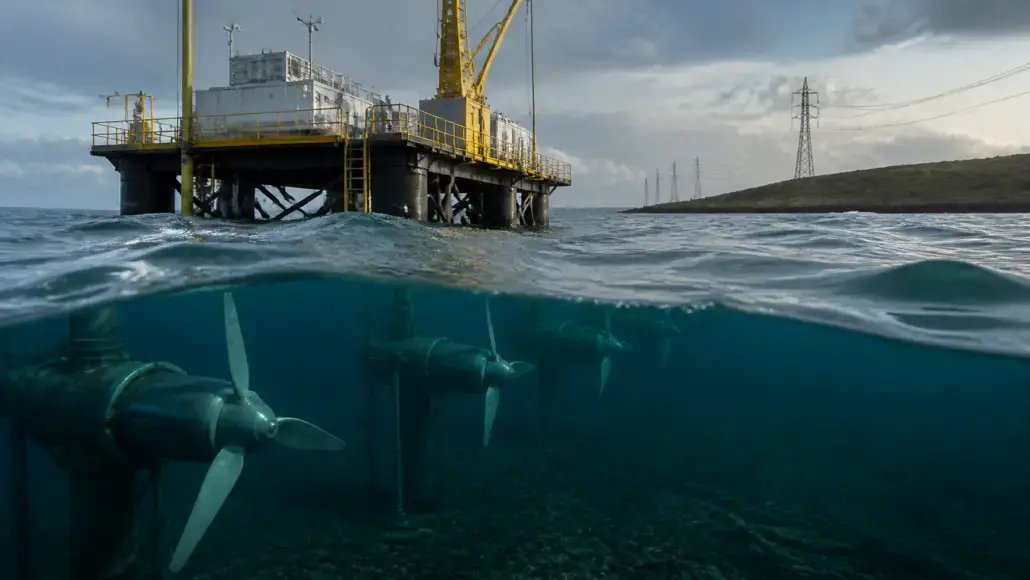

The challenge of integrating tidal energy into the national power grid is primarily an exercise in electrical synchronization and stabilization. While tidal currents are highly predictable, the raw electricity generated by underwater turbines is inherently variable, with frequency and voltage levels that fluctuate in tandem with the ebb and flow of the tides. To transform this variable output into a grid ready product, developers rely on a suite of sophisticated power conversion technologies. These systems act as the intelligent interface between the marine generating assets and the onshore transmission network, ensuring that every kilowatt produced meets the stringent standards for power quality and reliability required by modern grid operators.
As tidal energy projects scale up from individual turbines to multi megawatt arrays, the role of power electronics becomes even more critical. In a large array, the combined output of dozens of turbines must be carefully coordinated to prevent voltage spikes or frequency drops that could destabilize the local network. Power conversion technologies provide the necessary control and filtering to manage these issues, offering a level of flexibility that was once the exclusive domain of traditional thermal power plants. By enabling the integration of marine renewables, these technologies are clearing the path for tidal energy to become a major contributor to the global clean energy transition. The reliability of these systems also helps to reduce the financial risk for investors, making marine energy a more attractive prospect for long term infrastructure capital.
Role of Variable Speed Drive Systems in Tidal Generation
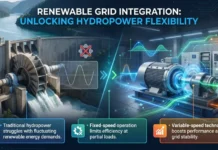
Most modern tidal turbines utilize variable speed drive (VSD) systems to optimize energy capture across a wide range of current speeds. Unlike fixed speed turbines, which are less efficient when the tidal flow deviates from their design point, variable speed units can adjust their rotation rate to match the incoming kinetic energy. However, this variable rotation results in the generation of AC power with a variable frequency, which cannot be directly injected into a 50 Hz or 60 Hz grid. To resolve this, power conversion technologies utilize a back to back converter topology consisting of a generator side converter and a grid side converter. This configuration allows for the full decoupling of the turbine’s mechanical speed from the grid’s electrical frequency, providing a high degree of operational control.
The generator side converter first rectifies the variable frequency AC into a stable DC link. This DC power is then processed by the grid side converter, which inverts it back into AC at the precise frequency and phase required by the grid. This process allows the turbine to operate at its most efficient speed while maintaining a perfect electrical lock with the onshore network. Additionally, the use of insulated gate bipolar transistors (IGBTs) within these converters enables ultra fast switching, which provides the necessary precision to manage rapid changes in tidal speed and ensure a smooth power output. Advanced pulse width modulation (PWM) strategies are employed to minimize the electrical noise generated during this conversion process, ensuring that the output is as clean as possible before it leaves the turbine.
Improving Power Quality and Harmonic Management
Power quality is a major concern for grid operators, particularly when connecting large volumes of non synchronous renewable energy. One of the primary issues associated with power electronics is the generation of harmonics, electrical distortions that can interfere with sensitive equipment and cause overheating in transformers. Advanced power conversion technologies address this through the use of active filtering and sophisticated control algorithms. These systems can detect harmonic distortions in real time and generate correction signals to cancel them out, ensuring that the power reaching the grid is clean and stable. This active mitigation is essential for meeting the strict grid codes enforced in many jurisdictions.
In addition to harmonic management, these technologies provide essential voltage regulation and reactive power support. As tidal generation varies throughout the day, it can cause localized voltage fluctuations that may affect other grid users. By adjusting the reactive power output of the converters, operators can stabilize the voltage at the point of common coupling, even during periods of high generation. The outputs from these systems are monitored via Digital Grid Management platforms that provide high resolution visibility into the power flow and harmonic distortion across the entire tidal array. This integrated approach to power conditioning ensures that tidal energy projects are not just passive generators, but active participants in maintaining grid health. The ability of the conversion systems to provide fault ride through (FRT) capabilities ensures that the tidal array remains connected to the grid during transient disturbances, supporting overall system resilience.
Thermal Management and Reliability in High Power Systems
The conversion of megawatts of power within a compact offshore or subsea housing generates a significant amount of heat. If this heat is not effectively managed, it can lead to the rapid degradation of electronic components and a reduction in the overall efficiency of the system. Therefore, the design of power conversion technologies for the marine environment includes advanced thermal management solutions. These can range from passive heat sinks that utilize the surrounding seawater for cooling to active liquid cooling systems that circulate dielectric fluids through the converter modules. The choice of cooling method is a trade off between system complexity, weight, and thermal performance, with liquid cooling often preferred for higher power densities.
Reliability is equally paramount, as any failure in the conversion system can take a turbine or an entire string offline. To ensure long term operation, manufacturers employ several strategies:
- Modular design principles that allow for the redundancy of power stages, ensuring that the system can continue to operate at a reduced capacity if one module fails.
- The use of high grade components with extended thermal and electrical ratings to withstand the stresses of variable tidal loads.
- Hermetically sealed enclosures that protect sensitive electronics from the corrosive effects of salt air and moisture, utilizing high performance gasket materials.
- Self diagnostic software that can identify and isolate faults automatically, providing detailed error logs to remote operators to reduce troubleshooting time.
- Extensive factory testing, including burn in cycles, vibration analysis, and thermal stress screening, to identify potential failure points before deployment.
- Integrating advanced humidity sensors within the enclosures to detect any signs of seal failure before moisture causes an electrical short circuit.
- Utilizing high performance thermal interface materials (TIMs) to maximize the heat transfer from the power semiconductors to the cooling system.
These measures are essential for reducing the operational risks and maintenance costs associated with tidal energy projects. By prioritizing reliability, developers can maximize the energy yield and financial returns of their marine assets throughout their thirty year operational life.
Scaling Power Conversion for Utility Scale Arrays
As the tidal energy industry moves toward utility scale deployment, the power conversion technologies are also evolving to handle higher voltages and currents. The shift from 33 kV to 66 kV collection systems is a primary example of this trend, as it allows for the transmission of more power with lower losses. To support these higher voltages, developers are utilizing multi level converter topologies that can generate high voltage AC from a relatively low voltage DC link. These multi level systems also offer improved harmonic performance, reducing the size and cost of the required output filters. The use of neutral point clamped (NPC) or cascaded H bridge (CHB) converters allows for a more granular control of the output voltage waveform.
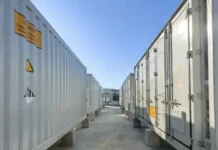
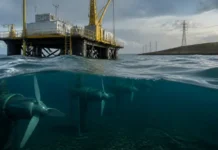
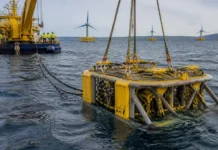
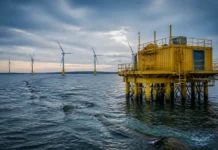
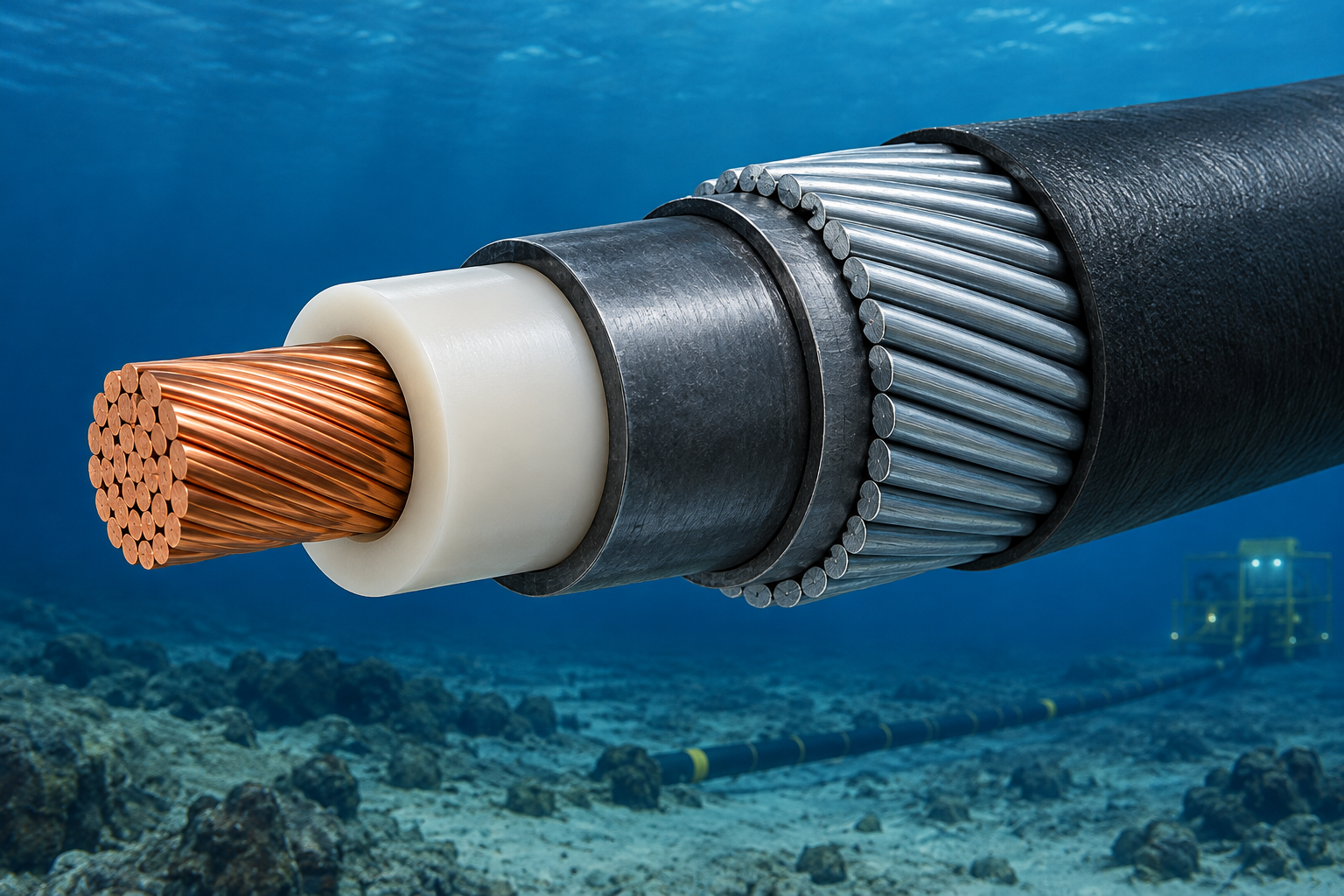
The physical placement of these conversion systems is another area of innovation. While many early projects housed their converters in onshore substations, there is a growing trend toward placing them offshore on platforms or even subsea in specialized housings. Placing the conversion equipment closer to the turbines reduces the amount of variable frequency AC that must be transmitted, which simplifies the design of the collection cables and reduces losses. However, this also increases the complexity of maintenance and the requirement for durable undersea connectivity. The decision of where to locate the power conversion systems is a critical part of the overall project optimization process, balancing electrical efficiency with operational accessibility. Additionally, the development of modular containerized conversion units allows for a faster and more cost effective offshore deployment.
Future Developments in Marine Power Electronics
Looking to the future, the continued evolution of power conversion technologies will be driven by the adoption of wide bandgap (WBG) semiconductors, such as silicon carbide (SiC) and gallium nitride (GaN). These materials offer several advantages over traditional silicon based IGBTs, including higher switching speeds, lower losses, and the ability to operate at higher temperatures. By utilizing WBG devices, manufacturers can build converters that are smaller, lighter, and more efficient, which is particularly valuable for offshore and subsea applications where space is at a premium. The higher switching frequency also allows for the use of smaller inductive and capacitive components, further reducing the physical footprint of the conversion system.
Additionally, the integration of artificial intelligence and machine learning into the converter control systems will enable even more advanced grid support capabilities. These smart converters will be able to predict changes in tidal flow and grid demand, adjusting their performance proactively to maximize energy yield and grid stability. This includes the ability to perform self optimization of the conversion parameters based on the aging of the components, extending the life of the system. As these technologies mature and their costs continue to fall, they will become standard features of all commercial tidal energy projects. Ultimately, the ability to convert and condition ocean energy efficiently will be a defining factor in the success of the marine power industry, providing the essential links necessary to deliver clean, reliable power from the tides to the global grid.