








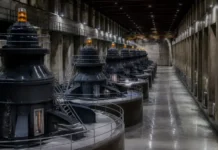

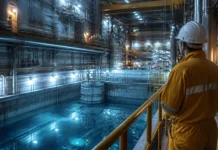






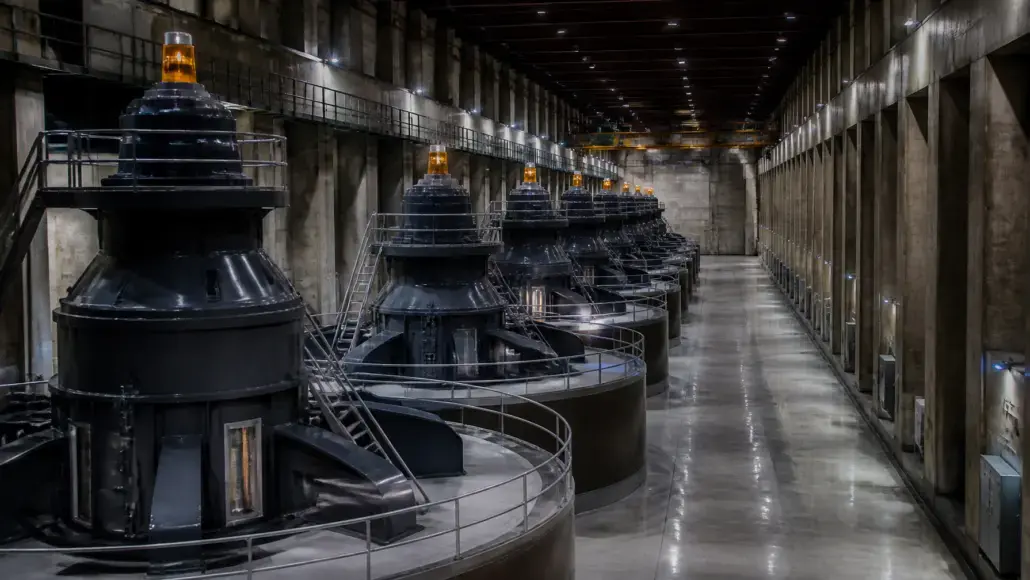

Hydropower facilities represent some of the most enduring assets in the renewable energy sector, often operating for several decades. To maintain their relevance and efficiency in a modern grid, these plants are increasingly undergoing digital modernization. A central pillar of this transformation is the deployment of intelligent lighting infrastructure across the vast and often subterranean complexes that house turbines, generators, and control systems. The shift from static illumination to networked, sensor-driven systems addresses multiple operational priorities, including energy efficiency, personnel safety, and long-term asset management. In the damp and vibration-prone environment of a hydropower station, the reliability and adaptability of the lighting system are critical for ensuring uninterrupted operations and facilitating complex maintenance tasks.
The implementation of these systems allows for a level of granular control that was previously unattainable. Traditional lighting in hydropower plants often relied on manual switching, leading to thousands of kilowatt-hours being wasted on illuminating unoccupied galleries or storage areas. With intelligent lighting infrastructure, the facility can respond dynamically to the presence of personnel and the operational status of the plant. High-efficiency LED fixtures integrated with occupancy sensors and central management software ensure that light is provided only when and where it is needed. This responsiveness not only reduces internal energy consumption but also extends the lifespan of the lighting components by minimizing their operating hours. The cumulative impact on the facility’s auxiliary power load is significant, directly improving the net energy available for distribution to the grid.
Managing Environmental Challenges in Hydropower Facilities
The environment within a hydropower plant is uniquely challenging for electrical infrastructure. High levels of humidity, potential water ingress, and constant mechanical vibration from large turbines can lead to premature failure of standard lighting equipment. Intelligent lighting infrastructure designed for these settings utilizes specialized enclosures with high ingress protection ratings to prevent moisture from damaging sensitive electronics. The integration of advanced thermal management systems ensures that the fixtures remain cool even in restricted airflow environments such as deep dam galleries or inspection tunnels. These technical considerations are essential for maintaining system reliability over the long operational life expected of hydropower assets.
Mechanical vibration is another factor that must be addressed. Unlike traditional lamps with fragile filaments, the solid-state components used in modern intelligent systems are inherently resistant to vibration. This durability ensures that the lighting remains operational even during periods of high turbine load or during the startup of large units. The reduction in maintenance call-outs to replace failed bulbs in difficult-to-access locations provides a direct boost to operational efficiency. By selecting ruggedized components, hydropower operators can ensure that their lighting systems contribute to the overall resilience of the plant. The ability to monitor the health of each fixture remotely via the network allows maintenance teams to plan interventions proactively, further reducing the risk of unexpected illumination failures in critical areas.
Integration of Automation and Sensor Networks
The true power of intelligent lighting infrastructure lies in its ability to act as a data network within the facility. Each lighting node can serve as a mounting point for a variety of sensors, including those for temperature, humidity, and even acoustic monitoring for early detection of machinery issues. This integration transforms the lighting system into a comprehensive environmental monitoring network. The data collected by these sensors is transmitted back to a central control room, providing operators with real-time insights into the conditions across the entire plant. This situational awareness is invaluable for identifying potential leaks or cooling failures before they lead to major equipment damage.
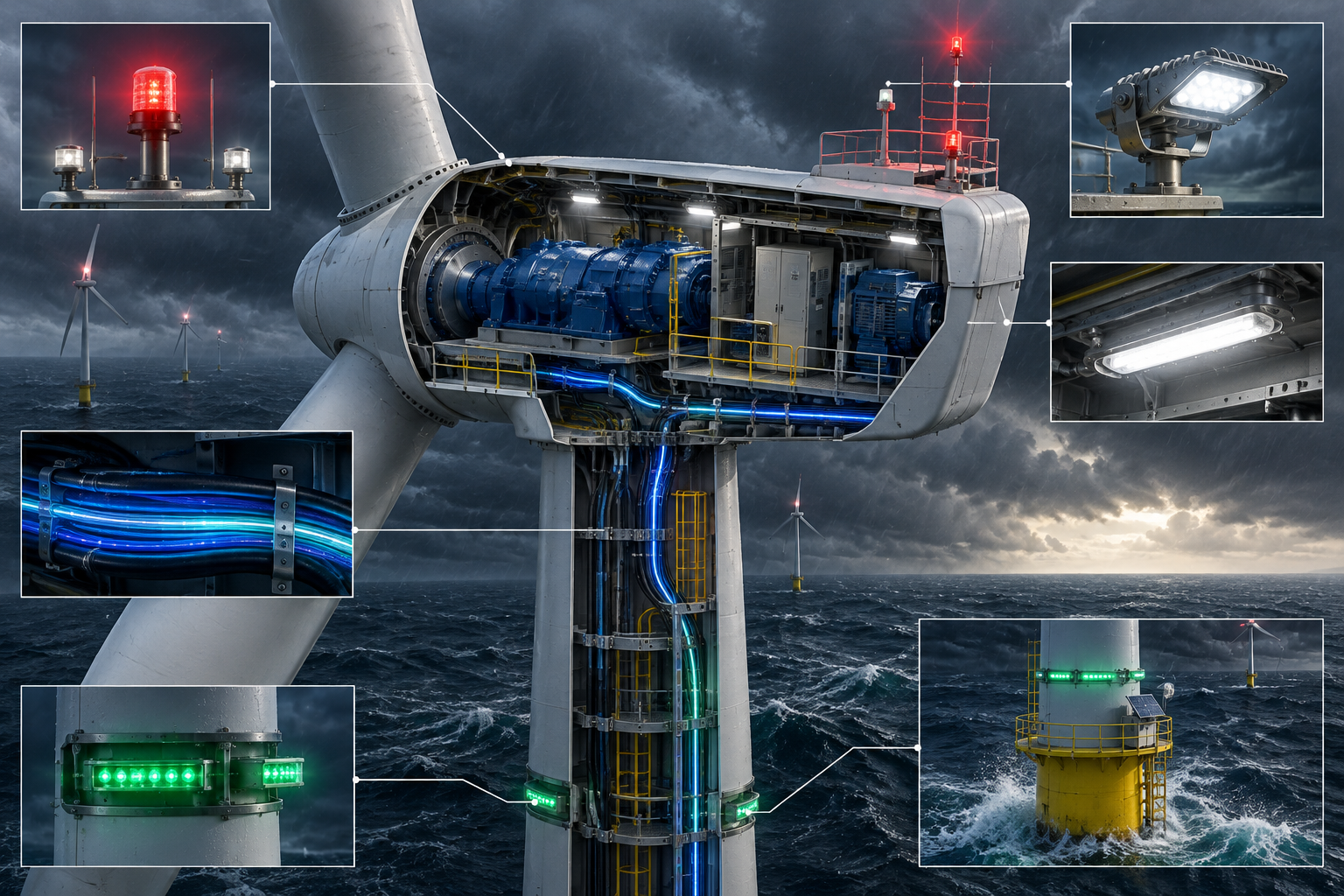
Furthermore, the lighting system can be programmed to respond to specific emergency scenarios. In the event of a fire or a flood alarm, the intelligent infrastructure can automatically adjust to provide clear egress routes, flashing or changing color to guide personnel to safety. This capability enhances the emergency response effectiveness and minimizes the risk to human life in the event of a catastrophic failure. The flexibility of the networked system allows for rapid reconfiguration of lighting zones without the need for physical rewiring. As the operational needs of the hydropower plant evolve, the lighting system can be updated via software to reflect new safety protocols or occupancy patterns.
Enhancing Maintenance Efficiency Through Data Analytics
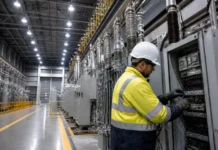
Maintenance in large-scale hydropower facilities is often logistically complex due to the scale and geography of the site. Accessing high ceilings in turbine halls or deep tunnels requires specialized equipment and significant time. Intelligent lighting infrastructure mitigates these challenges by providing detailed analytics on the performance and health of every fixture. Predictive maintenance algorithms can identify fixtures that are nearing the end of their useful life or those that are operating outside of their normal temperature parameters. This allows maintenance teams to bundle repairs and replacements, significantly reducing the labor costs and equipment rental fees associated with individual interventions.
- Real-time monitoring of energy consumption at the fixture and zone levels to identify saving opportunities.
- Automated reporting of lamp failures to the maintenance management system to trigger work orders.
- Thermal tracking of fixture drivers to prevent premature failure due to localized overheating.
- Utilization of power-line communication to leverage existing electrical cabling for data transmission.
- Remote calibration of motion sensors to ensure optimal responsiveness in varying plant conditions.
The integration of advanced electrical drivers ensures that these systems operate at peak efficiency across a wide range of input voltages, which is a common requirement in industrial settings. The precision of these drivers reduces electromagnetic interference, ensuring that the lighting system does not disrupt sensitive control and protection circuits within the plant. By providing a stable and reliable platform for both illumination and data, the intelligent infrastructure supports the overall digital strategy of the facility. The synergy between high-performance lighting and advanced analytics is a key driver for the modernization of the global hydropower fleet.
Security and External Safety Applications
The role of intelligent lighting infrastructure extends to the external perimeters of the dam and the surrounding infrastructure. Providing clear and reliable illumination for security monitoring is a critical requirement for protecting these strategic assets. Modern systems can be integrated with security cameras and perimeter intrusion detection systems to provide dynamic lighting responses. If an intrusion is detected, the lighting in the affected zone can be instantly increased to full brightness, aiding in the identification and tracking of unauthorized personnel. This proactive security posture is a major advantage over traditional static security lighting.
In addition to security, external lighting is essential for the safety of personnel during nighttime inspections of the dam face and spillway structures. The ability to control these lights remotely or through automated schedules ensures that the environment is always prepared for inspection activities. Precise optical control minimizes light spill into the surrounding environment, which is important for reducing the impact on local wildlife and complying with dark-sky regulations. The combination of internal and external intelligent lighting provides a holistic safety and security solution for the entire hydropower complex. This integrated approach ensures that all areas of the facility are managed with the same level of precision and efficiency.
Future Perspectives on Hydropower Digitalization
The ongoing evolution of intelligent lighting infrastructure will see even greater integration with artificial intelligence and machine learning. Future systems will be able to autonomously optimize lighting levels based on complex variables such as the cost of energy, the predicted maintenance schedule of turbines, and the real-time location of personnel. The lighting network will become a primary interface for human-machine interaction, using visual cues to communicate the status of plant equipment to workers on the floor. This high level of connectivity is essential for the transition toward more autonomous hydropower operations, where remote management and automated maintenance are the norms.
The investment in these technologies is a clear signal of the industry’s commitment to long-term sustainability and operational excellence. By modernizing the lighting infrastructure, hydropower operators are not only saving energy but are also building a foundation for the next generation of digital tools. The data-rich environment created by intelligent systems will enable more sophisticated asset management strategies, ultimately extending the life of these critical renewable energy sources. As the global energy transition accelerates, the ability to operate hydropower plants with maximum efficiency and safety will remain a top priority for utilities and grid operators worldwide. The role of intelligent lighting in this journey is both fundamental and expanding.