














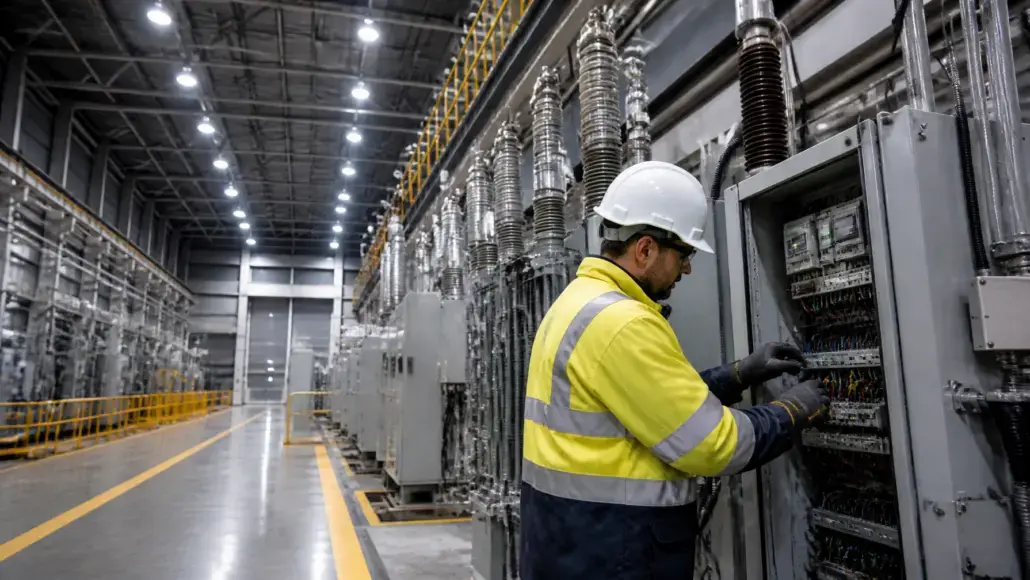

The transition to high-efficiency illumination in industrial power facilities is often discussed in terms of the light-emitting components themselves. However, the true performance, reliability, and longevity of these systems are determined by the underlying power conversion technology. The role of advanced electrical drivers is to provide a stable and precise flow of current to the light sources, regardless of the fluctuations in the main power supply. In the demanding environment of a power generation facility, where electrical noise, voltage surges, and high temperatures are common, the quality of these drivers is paramount. These devices are responsible for converting the high-voltage alternating current from the grid into the low-voltage direct current required by modern solid-state lighting systems.
Efficiency in power conversion is a critical factor for large-scale installations. Every percentage point of energy lost as heat within the driver represents a continuous waste of energy and a potential point of failure. Modern advanced electrical drivers utilize sophisticated power electronics, including wide-bandgap semiconductors such as gallium nitride, to achieve conversion efficiencies exceeding ninety-five percent. This high efficiency minimizes internal heat generation, allowing for more compact and reliable designs. In a facility with thousands of fixtures, the cumulative energy savings from using high-performance drivers are substantial, contributing directly to the reduction of auxiliary power consumption and the overall improvement of plant operations.
Technical Architecture and Power Quality Management
The internal architecture of a modern industrial lighting driver is a complex arrangement of filtration, regulation, and protection circuits. One of the primary functions of these systems is to manage power quality, specifically addressing total harmonic distortion and power factor. High-quality advanced electrical drivers incorporate active power factor correction to ensure that the lighting system presents a near-unity load to the facility’s electrical network. This minimizes the reactive power draw and reduces the strain on transformers and cabling. Furthermore, advanced filtering circuits ensure that the drivers do not inject excessive electromagnetic interference back into the network, which could potentially disrupt sensitive control and protection equipment within the power plant.
Surge protection is another critical aspect of driver design for industrial settings. Power stations are prone to significant voltage transients caused by the switching of large inductive loads or external lighting strikes. Advanced electrical drivers are equipped with multi-stage surge protection systems, including metal oxide varistors and gas discharge tubes, to shunt high-energy transients away from the sensitive LED components. This robust protection is essential for ensuring that the lighting infrastructure remains operational during and after electrical disturbances. The ability of the driver to withstand these events without failure is a key differentiator between consumer-grade products and those designed for mission-critical industrial applications.
Thermal Management and Environmental Resilience
Industrial lighting drivers must operate reliably in environments where ambient temperatures can fluctuate significantly. High heat is the primary enemy of electronic components, leading to the degradation of capacitors and the failure of semiconductor junctions. Advanced electrical drivers for power facilities are engineered with advanced thermal management strategies, including the use of high-thermal-conductivity potting compounds and extruded aluminum housings that act as efficient heat sinks. These designs ensure that the internal components remain within their optimal temperature range even when the fixture is mounted in high-ambient areas such as boiler galleries or turbine halls.
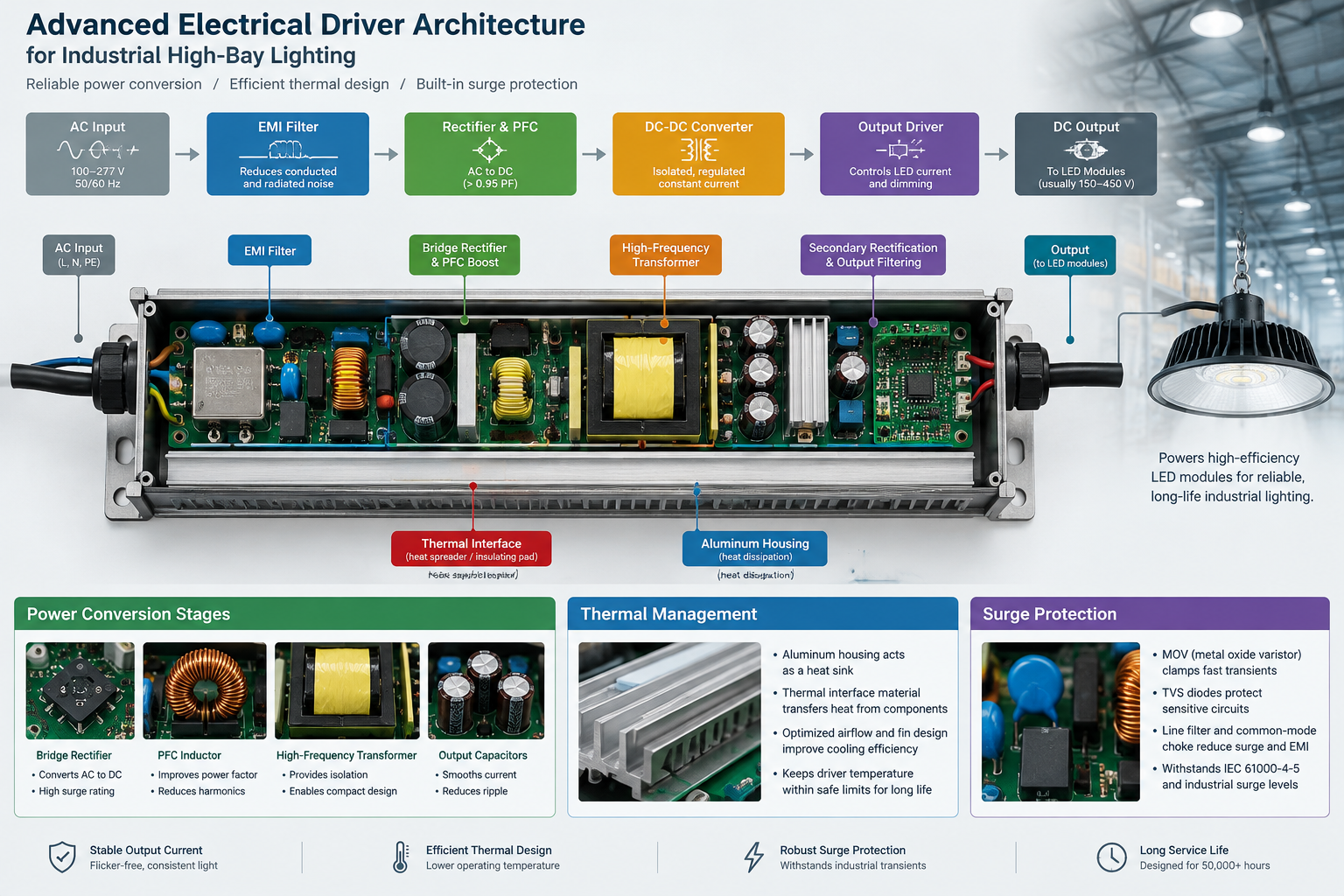
Environmental resilience also includes protection against dust, moisture, and corrosive gases. In many power generation settings, the presence of coal dust or chemical vapors can lead to the corrosion of electronic circuits if they are not properly protected. The highest grade of advanced electrical drivers utilizes hermetically sealed enclosures with high ingress protection ratings. This prevents the entry of contaminants and ensures that the internal electronics remain isolated from the harsh external environment. The combination of thermal management and environmental protection ensures a service life that matches or exceeds that of the LED light source, providing a low total cost of ownership over the life of the installation.
Integration with Intelligent Control Protocols
The modern industrial driver is no longer just a power converter but has evolved into a sophisticated control node. By integrating communication protocols such as DALI, 0-10V, or wireless standards, advanced electrical drivers enable the granular control required for intelligent lighting systems. This connectivity allows for the implementation of dynamic dimming profiles, occupancy sensing, and daylight harvesting. The driver acts as the interface between the central management software and the physical light source, executing complex commands with precision and providing real-time feedback on the operational status of the fixture.
- Implementation of deep dimming capabilities to allow for precise control of illumination levels in non-critical zones.
- Utilization of constant light output technology to compensate for the gradual lumen depreciation of LEDs over time.
- Integration of temperature sensors within the driver to trigger automated dimming if thermal limits are exceeded.
- Deployment of two-way communication to report energy usage and fixture health to a central management dashboard.
- Support for emergency lighting modes with integrated battery management and testing protocols.
These capabilities are essential for the implementation of next-generation lighting technologies that prioritize both energy efficiency and operational intelligence. The ability of the driver to collect and transmit data on energy consumption and operating conditions provides valuable insights for asset management and predictive maintenance. In a facility with a high density of lighting, this data can be used to optimize the maintenance schedule and identify localized environmental issues. The transition toward these intelligent systems is a key part of the broader digitalization of power generation infrastructure.
Reliability Standards and Long-Term Performance
The selection of electrical drivers for industrial applications is guided by strict reliability standards and life-cycle cost analysis. Unlike residential drivers that may have a lifespan of only a few years, industrial-grade advanced electrical drivers are designed to operate for over one hundred thousand hours. This longevity is achieved through the use of high-quality components, such as long-life electrolytic or ceramic capacitors, and rigorous testing under extreme conditions. The reliability of these devices is crucial, as the cost of labor to replace a failed driver in a high-bay fixture can often exceed the cost of the driver itself.
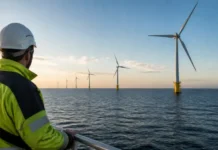
For power plant operators, the focus is on maximizing the uptime of the lighting system while minimizing the total cost of ownership. High-performance drivers contribute to this goal by reducing energy costs, minimizing maintenance interventions, and protecting the significant investment in the LED light sources. The ability to operate across a wide range of input voltages and temperatures ensures that these drivers are suitable for global applications in various types of power facilities, from nuclear plants to offshore wind farms. By prioritizing the quality of the power conversion technology, industrial facilities can ensure that their lighting infrastructure remains a reliable and efficient part of their operations for decades to come.
Future Innovations in Power Conversion Technology
The future of industrial lighting drivers is closely linked to the ongoing advancements in power electronics and digital control. Research is currently focused on the development of even more compact and efficient designs using new materials and circuit topologies. The integration of artificial intelligence within the driver itself is another promising area, allowing for autonomous optimization of performance based on real-time environmental data and historical usage patterns. These smart drivers will be able to predict their own failure and alert maintenance teams well in advance, further reducing the risk of downtime.
Another area of innovation is the development of drivers that can operate directly from high-voltage DC networks, which are becoming more common in modern power facilities integrated with renewable energy and battery storage. This eliminates the need for an AC-to-DC conversion stage, further improving overall system efficiency. As the requirements for energy management and sustainability become more stringent, the role of advanced electrical drivers will continue to expand. They will remain the critical link that enables the full potential of modern lighting technologies to be realized, ensuring that industrial power facilities can operate with the highest levels of efficiency and safety in an increasingly complex energy environment.