





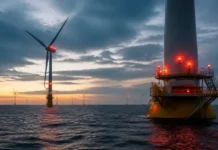
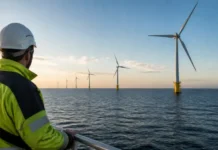















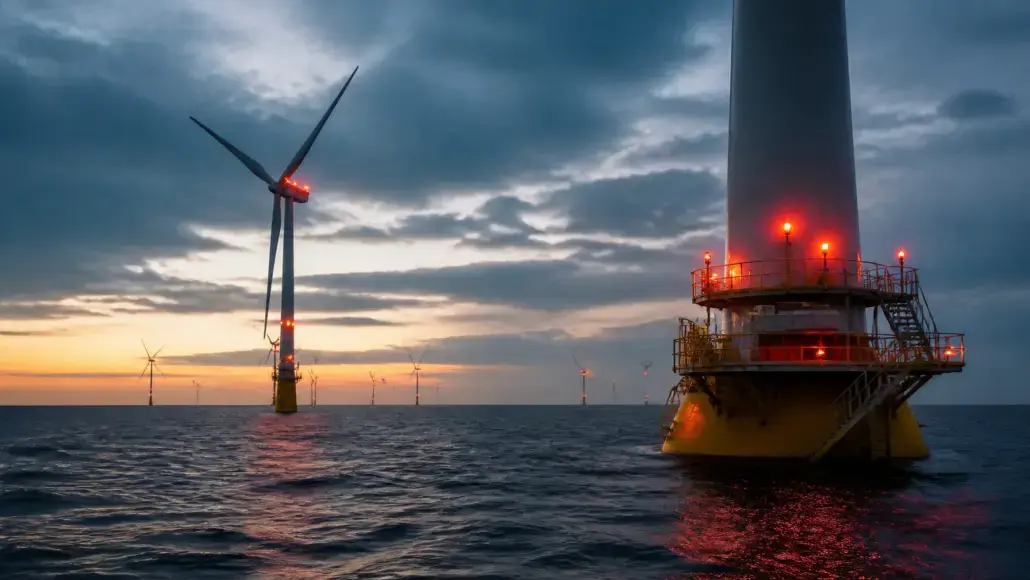

The expansion of offshore wind energy infrastructure presents unique engineering challenges, particularly regarding the safety and visibility of these massive structures in the marine environment. Located miles from the coast, wind turbines are exposed to extreme weather, salt spray, and high-vibration conditions. Providing reliable illumination for aviation obstruction marking, marine signaling, and maintenance activities is essential for operational safety and regulatory compliance. The adoption of next-generation lighting technologies has become a critical factor in the design and operation of modern offshore wind farms. These systems are engineered to withstand the harsh corrosive atmosphere while providing consistent performance over long service intervals, minimizing the need for hazardous and costly maintenance trips to the turbines.
Visibility at sea is a complex requirement that involves both aviation and maritime safety. Turbines must be clearly visible to aircraft and passing vessels under all weather conditions, including heavy fog and intense storms. Traditional lighting systems often struggled with the rapid degradation caused by the saline environment, leading to frequent failures and high operational costs. The transition to advanced solid-state lighting and specialized optical systems has significantly improved the reliability of these marking systems. These next-generation lighting technologies offer superior light intensity and color consistency, ensuring that the safety markings meet stringent international standards for years without intervention. This reliability is fundamental for the safety of both the wind farm personnel and the broader maritime and aviation traffic in the area.
Engineering for the Corrosive Marine Environment
The primary threat to electrical equipment in offshore settings is the highly corrosive nature of the salt-laden atmosphere. Salt spray can quickly penetrate standard fixtures, leading to the rapid corrosion of electronic circuits and optical surfaces. To counter this, next-generation lighting technologies utilize specialized materials such as marine-grade aluminum alloys, high-strength stainless steel, and advanced coatings that provide a robust barrier against corrosion. The optical components are often made from high-clarity borosilicate glass or specialized polycarbonate that is resistant to both UV degradation and the abrasive effects of salt crystals. These technical choices are essential for maintaining the clarity and performance of the lighting system throughout the twenty-five-year lifespan of an offshore wind turbine.
Furthermore, the integrity of the enclosure is paramount. Fixtures used on offshore turbines are typically rated to the highest ingress protection standards, ensuring they are completely sealed against water and dust. The use of pressure-equalizing vents allows the fixtures to manage changes in internal pressure caused by temperature fluctuations without compromising the seal. This prevents the “breathing” effect that can draw in moist, salty air. By integrating these technical innovations, offshore wind operators can ensure that their safety lighting remains functional in even the most extreme sea states. The reduction in unexpected failures translates directly into lower operational expenditure and a safer environment for all marine stakeholders.
Aviation and Maritime Signaling Precision
Offshore wind farms are often located near busy shipping lanes or under commercial flight paths, making precise signaling a regulatory necessity. Aviation obstruction lights mounted on the nacelle must provide specific flash patterns and intensities to alert pilots to the presence of the structures. Similarly, maritime signaling at the base of the tower and on the transition piece must guide vessels safely through the farm. Next-generation lighting technologies allow for precise control over the beam spread and light distribution, ensuring that the light is visible from the required distances while minimizing light pollution and its impact on the surrounding environment.
The integration of intelligent controls allows these signaling systems to be synchronized across the entire wind farm. This synchronization ensures that all obstruction lights flash in unison, providing a clearer visual cue for pilots and reducing the cognitive load on observers. These systems can also be integrated with local weather stations to adjust their intensity based on visibility conditions, providing brighter light during fog and dimming during clear nights to save energy. This level of adaptability is a hallmark of modern offshore infrastructure. By deploying intelligent lighting infrastructure across the wind farm, operators can ensure that their safety signaling remains effective and compliant under all conditions, directly supporting the long-term viability of the project.
Enhancing Internal Maintenance and Personnel Safety
While external signaling is critical for third-party safety, internal lighting within the turbine tower and nacelle is essential for the safety of maintenance technicians. Working inside a wind turbine is a physically demanding task that requires clear visibility for navigating ladders, service platforms, and the complex machinery of the nacelle. Next-generation lighting technologies provide high-quality, uniform illumination that eliminates shadows and glare, reducing the risk of accidents during maintenance activities. The high color rendering index of these systems is particularly important for tasks involving electrical wiring and diagnostic checks, where accurate color perception is vital.
- Utilization of fiber-optic light delivery to minimize electronics in exposed areas of the nacelle.
- Implementation of emergency battery backup systems capable of operating in extreme cold and heat.
- Integration of high-intensity strobe lighting for critical aviation safety in low-visibility conditions.
- Deployment of corrosion-resistant LED arrays for long-term reliability in the transition piece splash zone.
- Application of remote diagnostic tools to monitor the health and performance of every signaling fixture.
The longevity of these systems is a major advantage for offshore operations. Every maintenance trip to an offshore turbine requires a vessel and a team of technicians, representing a significant cost and a safety risk. By selecting lighting systems with a ten-to-fifteen-year service life, operators can align lighting maintenance with major turbine service intervals, minimizing the number of dedicated lighting repair trips. The use of modular components that can be easily replaced in the field further streamlines the maintenance process. This focus on durability and ease of service is essential for managing the operational costs of large-scale offshore wind developments.
Integration with Data Networks and Asset Management
The modern offshore wind farm is a highly connected environment, with thousands of sensors monitoring every aspect of the turbine’s performance. Next-generation lighting technologies are fully integrated into this data ecosystem, providing real-time information on their status and energy consumption. This connectivity enables the implementation of predictive maintenance strategies, where fixtures can be replaced before they fail based on their operating history and performance trends. This proactive approach is a key part of the broader digitalization of offshore wind assets, where data-driven decisions optimize every aspect of operations and maintenance.
Furthermore, the lighting system can act as a secondary data backbone for other sensors. Fixtures can be equipped with cameras for remote visual inspection or acoustic sensors for monitoring the structural health of the turbine tower. This multi-functional approach maximizes the value of the lighting infrastructure and reduces the overall complexity of the turbine’s monitoring systems. As the offshore wind industry continues to mature, the integration of these technologies will become even more sophisticated, with lighting playing a central role in the autonomous operation and maintenance of future wind farms. The investment in these advanced systems is a clear commitment to the safety and efficiency of the renewable energy sector.
Future Innovations in Offshore Lighting Solutions
The ongoing research into next-generation lighting technologies for offshore wind is focused on further improving efficiency and resilience. New materials for lenses and housings that are even more resistant to the combined effects of UV radiation and salt spray are being developed. The use of advanced power conversion electronics that can operate directly from the turbine’s internal DC networks will further improve energy efficiency and reduce the complexity of the electrical system. These innovations promise to deliver even greater reliability and performance in the most challenging environments on earth.
Another area of interest is the development of bio-integrated lighting systems that minimize the impact on migratory birds and marine life. By adjusting the spectral composition and flash patterns of the obstruction lights, researchers hope to reduce the attraction of birds to the turbines, thereby lowering the risk of collisions. This holistic approach to design ensures that the lighting infrastructure supports both human safety and environmental protection. As offshore wind farms move into deeper waters and more remote locations, the requirements for reliable and intelligent lighting will only grow. The next-generation technologies being deployed today are building the foundation for the future of clean energy at sea.