












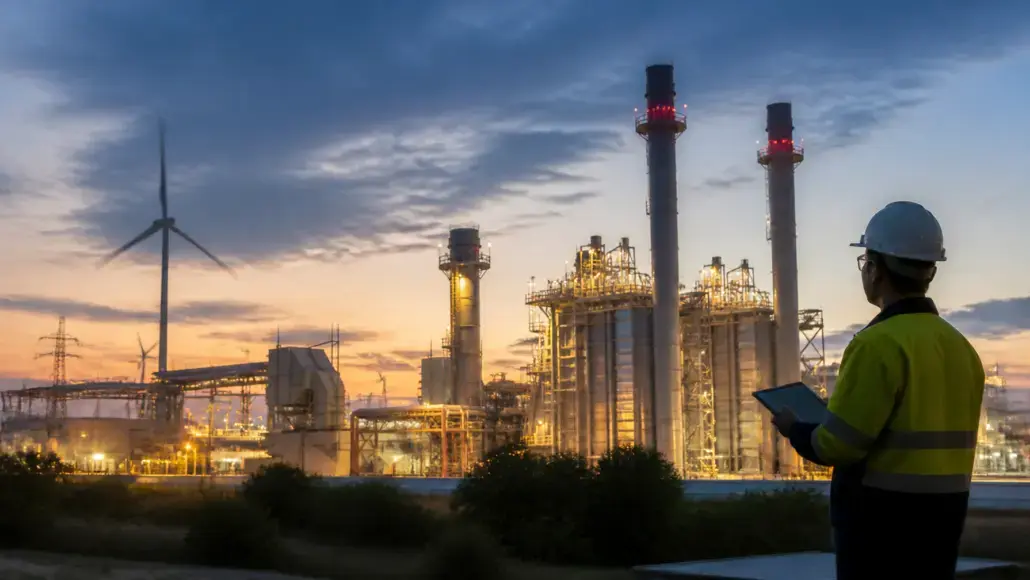

The global energy transition is driving a fundamental shift in how power is generated and consumed. As utilities and independent power producers work to align their operations with net-zero targets, every aspect of plant infrastructure is being scrutinized for its carbon footprint. While much of the focus is on the primary generation process, the auxiliary systems that support plant operations offer significant opportunities for emission reductions. The large-scale deployment of sustainable industrial lighting solutions across power generation facilities has emerged as a key strategy for improving the environmental performance of these assets. These systems contribute to a low-carbon future by drastically reducing internal energy consumption and eliminating the use of hazardous materials in the lighting supply chain.
Sustainable lighting in an industrial context involves more than just energy efficiency. it encompasses the entire lifecycle of the lighting infrastructure, from material sourcing and manufacturing to operational performance and end-of-life recycling. By transitioning away from legacy technologies such as high-pressure sodium and metal halide, facilities can reduce their lighting-related energy use by up to seventy percent. This reduction directly lowers the carbon intensity of the power generated, as less energy is diverted to internal auxiliary loads. The cumulative impact across a global fleet of power stations is substantial, making lighting modernization one of the most cost-effective ways to advance corporate sustainability goals.
Decarbonization Through Energy Efficiency
The primary mechanism by which sustainable industrial lighting supports low-carbon power generation is the reduction of auxiliary energy demand. In large-scale facilities, lighting often operates continuously, consuming millions of kilowatt-hours annually. Solid-state lighting systems offer vastly superior luminous efficacy, converting a much higher percentage of electrical energy into visible light rather than waste heat. This efficiency is critical for modern facilities that must operate with minimal margins to remain competitive in a low-carbon market. The immediate reduction in wattage across thousands of fixtures results in a measurable decrease in the facility’s overall energy intensity.
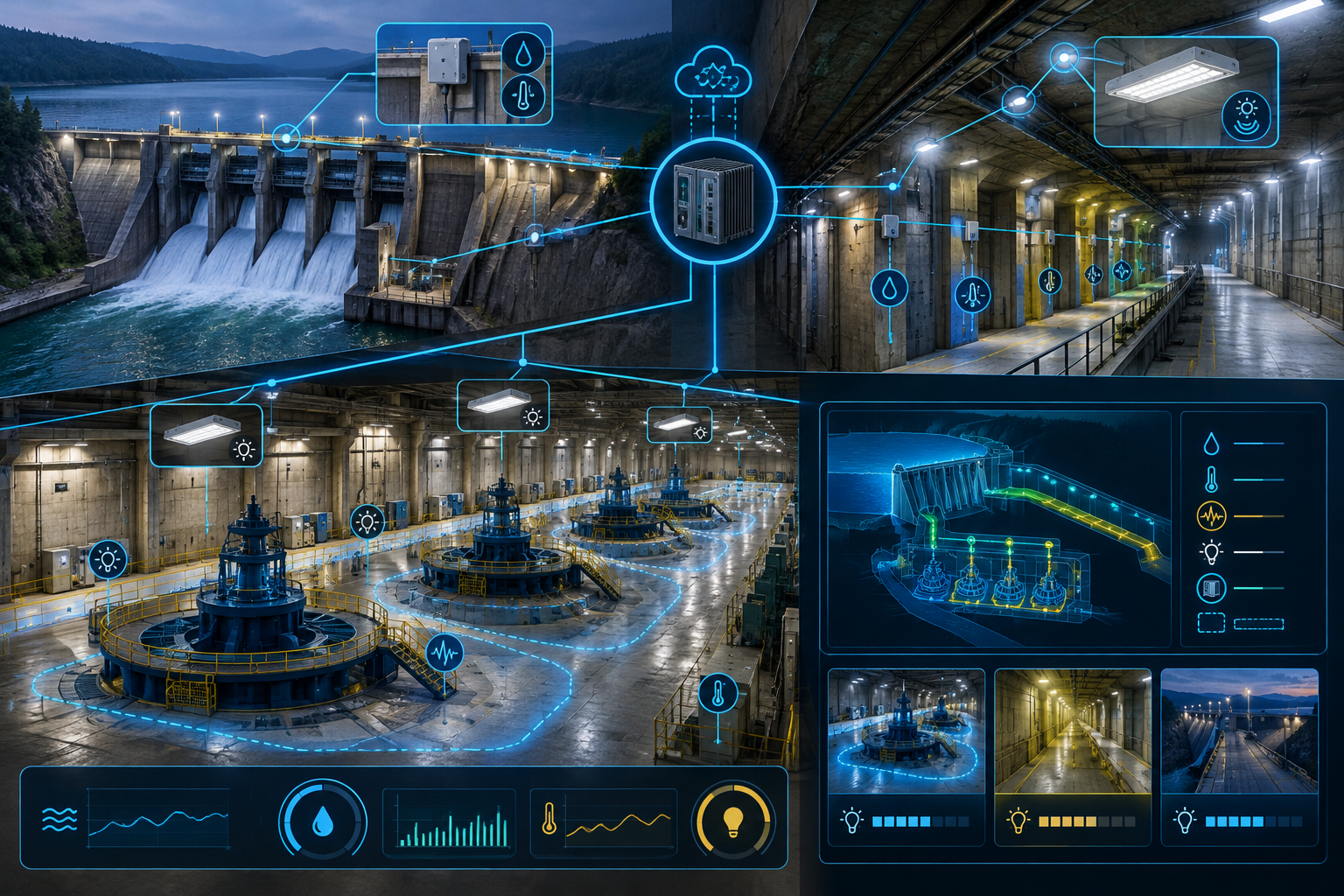
Beyond direct energy savings, modern lighting systems enable the implementation of advanced control strategies that further optimize performance. Occupancy sensors, daylight harvesting, and automated scheduling ensure that lighting levels are always aligned with actual operational needs. In large turbine halls or administrative buildings, these systems can automatically dim peripheral lighting when natural light is sufficient or when the space is unoccupied. This responsiveness is essential for facilities that aim to minimize their operational carbon footprint while maintaining the highest levels of safety for their workforce. The data-driven nature of these systems allows for continuous improvement in energy management, as operators can identify and address areas of energy wastage in real-time.
Material Sustainability and Circular Economy Principles
A truly sustainable lighting solution must also address the environmental impact of its materials. Legacy lighting technologies often contain hazardous substances such as mercury and lead, which require specialized handling and disposal to prevent environmental contamination. Sustainable industrial lighting solutions prioritize the use of non-toxic, recyclable materials that align with circular economy principles. The long operational life of LED systems—often exceeding one hundred thousand hours—significantly reduces the volume of waste generated over the lifecycle of a facility. When components eventually reach the end of their service life, their modular design facilitates the recovery of valuable materials such as aluminum and copper.
Furthermore, the manufacturing processes for modern sustainable lighting are increasingly optimized for low carbon intensity. Manufacturers are adopting renewable energy in their production facilities and minimizing the use of high-impact chemicals. This holistic approach to sustainability ensures that the lighting infrastructure contributes positively to the facility’s ESG metrics. For power plant operators, selecting products from suppliers with transparent sustainability credentials is a vital part of their procurement strategy. The shift toward a circular approach in industrial lighting is not just an environmental imperative but a key driver for long-term operational resilience and cost management.
Enhancing Safety and Productivity in Low-Carbon Facilities
The quality of the visual environment is a direct contributor to operational safety and personnel productivity. In the complex and often hazardous setting of a power generation plant, clear and uniform illumination is essential for risk mitigation. Sustainable industrial lighting solutions utilize precision optics to deliver high-quality light that eliminates shadows and glare, which can lead to accidents or errors in equipment inspection. The high color rendering index of these systems allows maintenance teams to accurately identify components and read safety signage, which is critical for maintaining high safety standards in both traditional and renewable energy facilities.
- Utilization of high-efficacy LED arrays to maximize lumens per watt and minimize heat generation.
- Implementation of modular fixture designs to simplify maintenance and facilitate component recycling.
- Integration of intelligent sensors for occupancy-based and daylight-responsive lighting control.
- Application of durable, corrosion-resistant coatings to extend the service life in harsh industrial settings.
- Deployment of networked management systems to provide real-time data on energy usage and health.
The inclusion of advanced lighting solutions within the safety framework of the facility ensures that personnel can perform their tasks with the highest degree of accuracy and confidence. The instantaneous startup of solid-state lighting is another significant safety feature, providing full brightness immediately after a power interruption. This eliminates the dangerous periods of darkness associated with the long warm-up times of legacy discharge lamps. By providing a stable and high-performance visual environment, sustainable lighting supports the overall safety culture of the facility, which is a fundamental requirement for the reliable operation of the global energy infrastructure.
Economic Viability and Financial Impact
The economic case for sustainable industrial lighting is as compelling as the environmental one. The rapid decline in the cost of high-performance LED systems, combined with their significant energy and maintenance savings, leads to an attractive return on investment. In most industrial settings, the payback period for a comprehensive lighting upgrade is between two and four years. When considered over the twenty-year lifespan of a high-quality installation, the total cost of ownership is significantly lower than that of any legacy technology. This financial performance makes lighting modernization one of the most effective ways for power plant operators to reduce their operating expenses and improve their bottom line.
In addition to direct cost savings, sustainable lighting can also enhance the value of the asset. Facilities with modern, efficient infrastructure are better positioned to meet increasingly stringent environmental regulations and are often more attractive to investors who prioritize ESG performance. The reduction in maintenance labor and the elimination of disposal costs for hazardous waste provide additional financial benefits that are often overlooked. By viewing lighting as a strategic asset rather than a simple utility, power generation companies can realize significant long-term value from their modernization efforts. The transition toward these sustainable systems is a clear demonstration of a company’s commitment to both operational excellence and environmental stewardship.
Future Perspectives on Sustainable Industrial Infrastructure
The evolution of sustainable industrial lighting will continue to be driven by advancements in materials science and digital technology. Future innovations may include the integration of biological lighting systems that mimic natural light cycles to improve worker well-being and productivity. The use of even more efficient power conversion electronics and new semiconductor materials will further drive down energy consumption and heat generation. As power facilities become more integrated with the digital grid, the lighting infrastructure will play an even more central role in the facility’s data network, providing a platform for a wide range of smart sensors and autonomous systems.
The ongoing commitment to sustainability in the power sector is a vital part of the global effort to combat climate change. By adopting sustainable industrial lighting, power producers are taking a tangible step toward a cleaner and more efficient energy future. The lessons learned from these large-scale lighting projects will inform the broader decarbonization of industrial infrastructure worldwide. As we move toward a low-carbon economy, the role of efficient, durable, and intelligent lighting will remain a cornerstone of modern industrial design and operation. The investment in these technologies today will deliver environmental and economic benefits for decades to come, ensuring that the power generation industry remains a leader in the global transition to sustainability.