












Events Date: 9

Q CELLS to build floating solar plant on Hapcheon Dam in South Korea

Note* - All images used are for editorial and illustrative purposes only and may not originate from the original news provider or associated company.

Subscribe

- Never miss a story with notifications

- Gain full access to our premium content

- Browse free from any location or device.

Media Packs

Expand Your Reach With Our Customized Solutions Empowering Your Campaigns To Maximize Your Reach & Drive Real Results!

โ€“ Access the Media Pack Now

โ€“ Book a Conference Call

โ€“ Leave Message for Us to Get Back

Related stories

Digital Control Systems Advancing Power Electronics

The integration of digital control architectures into power electronics enables sophisticated monitoring and adaptive optimization, drastically improving the performance of renewable energy systems and electric vehicles.

Advanced Power Modules Improving Energy System Efficiency

Modern energy systems rely on high-performance power modules to manage electricity distribution effectively, offering enhanced power density and superior thermal management for industrial, renewable, and automotive applications.

Smart Grid Integration Improving Energy Efficiency

Smart grid technologies revolutionize energy distribution by incorporating advanced power electronics that facilitate the seamless integration of renewable sources and large-scale energy storage solutions.
- Advertisement -

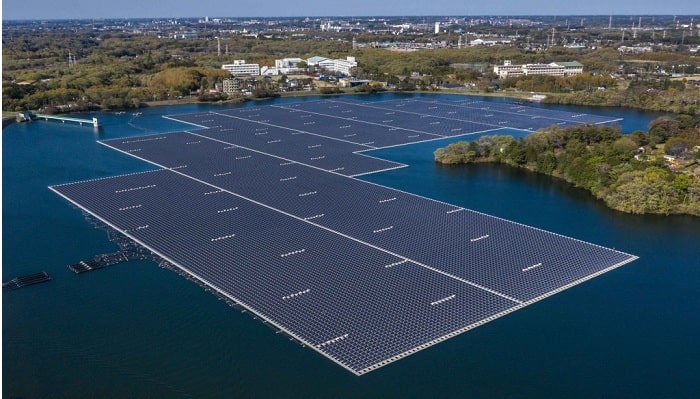
Photovoltaic (PV) solar cells manufacturer Q CELLS has announced plans to build a 41MW floating PV power plant, which will be installed at the Hapcheon Dam in South Korea.

In August, the company won the rights from the Korea Water Resources Institute (K-Water) to develop the facility and secured permission to build earlier this month.

The Hapcheon Dam is located in the southern region of the country. Q CELLS intends to begin construction works at the site by the end of this year.

The company noted that the floating solar PV plant will feature a combination of onshore solar technology and floating structure technology.

The plant will also have a plum blossom design, the symbolic flower of Hapcheon-gun. Q CELLS plans to install its Q.PEAK DUO Poseidon Edition solar panels at the Hapcheon Dam.

Specifically designed for floating PV installations, the modules can endure high temperatures and humidity environments.

The Hapcheon Dam floating PV power plant will have the capacity to generate clean energy that will be sufficient to meet the annual power needs of 60,000 people.

Q CELLS CEO Hee Cheul Kim said: โ€œThis floating PV will produce eco-friendly electricity by utilising the idle water surface at the dam.

โ€œThis is the best solution for utilising the limited land area in the region. Q CELLS will construct the Hapcheon Dam floating PV power plant to the high-quality standards for which the company is recognised around the world.โ€


Power Info Today brings together the global energy industry โ€” from generation and transmission operators to utility executives and energy transition leaders โ€” through trusted editorial, market intelligence, and digital engagement.

Our 2026 Media Pack offers integrated solutions to reach your audience:

  • Magazine & Digital Editions Showcase your brand within premium energy industry coverage read by executives and decision - makers worldwide.
  • Industry Insights & Reports Align with data - driven analysis, trend reports, and regional roundups across the global power and energy value chain.
  • Brand Authority & Credibility Position your company as a thought leader through expert commentary, interviews, and special features.

Latest stories

Related stories

Digital Control Systems Advancing Power Electronics

The integration of digital control architectures into power electronics enables sophisticated monitoring and adaptive optimization, drastically improving the performance of renewable energy systems and electric vehicles.

Advanced Power Modules Improving Energy System Efficiency

Modern energy systems rely on high-performance power modules to manage electricity distribution effectively, offering enhanced power density and superior thermal management for industrial, renewable, and automotive applications.

Smart Grid Integration Improving Energy Efficiency

Smart grid technologies revolutionize energy distribution by incorporating advanced power electronics that facilitate the seamless integration of renewable sources and large-scale energy storage solutions.

Wide Bandgap Semiconductors Driving Power Efficiency

Transitioning from traditional silicon to wide bandgap materials like Silicon Carbide and Gallium Nitride marks a significant leap in power electronics, enabling higher frequencies and improved thermal performance across industrial and automotive sectors.

Subscribe

- Never miss a story with notifications

- Gain full access to our premium content

- Browse free from any location or device.

Media Packs

Expand Your Reach With Our Customized Solutions Empowering Your Campaigns To Maximize Your Reach & Drive Real Results!

โ€“ Access the Media Pack Now

โ€“ Book a Conference Call

โ€“ Leave Message for Us to Get Back

Translate ยป