















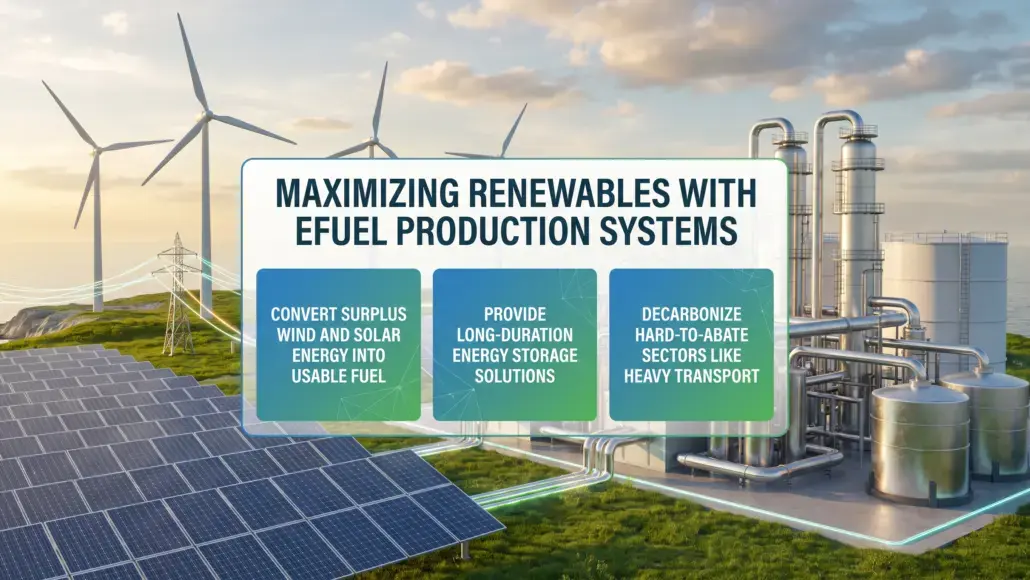

The rapid expansion of wind and solar capacity has fundamentally altered the operational dynamics of modern power grids. While these intermittent sources are essential for decarbonization, they often generate surplus energy during periods of low demand, leading to curtailment and wasted potential. To address this, efuel production systems increasing renewable electricity utilization have emerged as a versatile solution for long-duration energy storage and the decarbonization of hard-to-abate sectors. By converting excess renewable power into hydrogen through electrolysis and then combining it with captured carbon dioxide, these systems create liquid synthetic fuels that can be easily stored, transported, and used in existing infrastructure. This process not only provides a productive outlet for surplus electricity but also stabilizes the grid by acting as a dispatchable load that can respond to fluctuations in renewable generation. The ability to bridge the gap between volatile electricity supply and stable chemical energy demand is the defining feature of these advanced production facilities.
The Role of Electrolysis in Grid Balancing and Storage
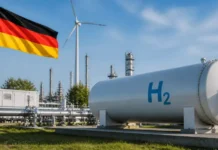
At the heart of any e-fuel facility is the electrolyzer, a device that uses electricity to split water into hydrogen and oxygen. The integration of large-scale electrolyzers into the power system provides a significant opportunity for grid operators to manage frequency and voltage stability. Unlike traditional industrial loads, modern PEM and alkaline electrolyzers can ramp their power consumption up or down in seconds, making them ideal for following the output of volatile wind and solar farms. This flexibility is the primary mechanism through which efuel production systems increasing renewable electricity utilization enhance the overall efficiency of the power grid. Instead of turning off wind turbines when supply exceeds demand, the grid can direct that energy into hydrogen production, effectively storing the renewable energy in chemical form. This dynamic load management reduces the need for expensive frequency response services and helps to maintain the health of the transmission network.
The hydrogen produced serves as the primary feedstock for subsequent synthesis processes. By decoupling the timing of electricity generation from the end-use of the energy, e-fuel systems provide a form of seasonal storage that batteries cannot match. Hydrogen can be stored in large salt caverns or converted directly into liquid fuels like methanol, ammonia, or synthetic kerosene. These liquids have high energy densities and can be kept for months or even years without significant energy loss. This capability is essential for ensuring energy security in a grid dominated by weather-dependent sources, as it allows for the accumulation of energy reserves during productive summer or winter months to be used during periods of low renewable output. The geographic flexibility of liquid fuels also allows energy to be produced in regions with the best renewable resources and then shipped to demand centers globally, creating a new international market for green energy.
Synthesis Processes and Carbon Dioxide Sourcing
Converting green hydrogen into a liquid e-fuel requires a carbon source, typically carbon dioxide captured from industrial point sources or directly from the atmosphere. The synthesis process, such as the Fischer-Tropsch method or methanol synthesis, takes place in high-pressure reactors where hydrogen and carbon dioxide are combined over catalysts to form hydrocarbons. The choice of the specific e-fuel depends on the target market, with synthetic diesel and jet fuel being high-priority targets for the heavy transport and aviation sectors. The successful deployment of efuel production systems increasing renewable electricity utilization relies on the seamless integration of these chemical processes with the upstream power supply. The optimization of reactor temperatures and pressures is critical to achieving high conversion rates and ensuring the quality of the final fuel product.
Sourcing carbon dioxide is a critical logistical and environmental consideration. Using carbon captured from fossil-fired power plants or industrial facilities like cement kilns provides a way to recycle carbon, though direct air capture is the ultimate goal for achieving a truly circular carbon economy. The integration of these capture systems with e-fuel synthesis creates a new industrial ecosystem where power plants are no longer just electricity producers but also chemical feedstock providers. This diversification of revenue streams can improve the economic resilience of traditional power generation assets while supporting the broader goals of the energy transition. The heat generated during the exothermic synthesis reactions can also be recovered and used for district heating or to provide thermal energy for the carbon capture process itself, further improving the total system efficiency. This industrial synergy is a hallmark of the emerging power-to-x environment, where every byproduct is treated as a potential resource.
Infrastructure Compatibility and Sectoral Integration
One of the most compelling advantages of liquid e-fuels is their compatibility with existing fuel infrastructure. Unlike pure hydrogen, which requires specialized pipelines and storage tanks, e-fuels can be handled using the same pumps, tankers, and storage facilities currently used for petroleum products. This drop-in capability significantly reduces the capital expenditure required for the transition to low-carbon fuels. By facilitating the use of renewable energy in sectors that cannot be easily electrified, efuel production systems increasing renewable electricity utilization extend the reach of the green power grid into the entire economy. This cross-sectoral integration is vital for achieving deep decarbonization across all facets of energy consumption, including long-haul shipping and heavy industry.
For the power sector, the ability to produce and store e-fuels offers a way to maintain the relevance of internal combustion engines and gas turbines in a net-zero future. These assets can be converted to run on synthetic fuels, providing carbon-neutral dispatchable power to back up the intermittent renewable grid. This approach preserves the value of existing generation equipment while providing the high-capacity, long-duration power supply needed to handle prolonged periods of low wind or solar output. The development of specialized combustion systems optimized for e-fuels will further enhance the performance and environmental profile of these traditional power assets, ensuring they remain a key component of the energy mix. The ability to use existing engines and turbines also avoids the massive environmental cost of decommissioning functional equipment and building new electrified alternatives from scratch.
Economic Viability and Market Incentives
The current cost of e-fuel production remains higher than that of fossil fuels, primarily due to the high cost of green hydrogen and the capital-intensive nature of synthesis plants. However, as the cost of renewable electricity continues to fall and electrolyzer technology matures, the economic gap is narrowing. Government mandates for sustainable aviation fuels and carbon taxes on marine transport are creating the necessary market signals to drive investment into these technologies. The strategic deployment of efuel production systems increasing renewable electricity utilization is often supported by subsidies or feed-in tariffs that recognize the grid-balancing services these plants provide. The long-term stability provided by these market mechanisms is essential for attracting the large-scale investment required for industrial-sized projects.
As the market for e-fuels expands, economies of scale will further drive down production costs. Large-scale projects, often located in regions with abundant and low-cost wind or solar resources, are already demonstrating the technical feasibility of megawatt-scale e-fuel production. These projects serve as blueprints for the global rollout of the technology, highlighting the importance of integrated planning between the power, chemical, and transport sectors. The transition to a power-to-liquids economy represents a fundamental shift in how we value and utilize renewable electricity, turning it from a volatile commodity into a stable, storable, and globally tradable fuel source. This shift also offers an opportunity for energy-importing nations to diversify their supply chains and enhance their national energy security.
Technical Optimization and Future Development
Ongoing research into more efficient catalysts and higher-temperature electrolysis technologies promises to improve the round-trip efficiency of e-fuel production. Solid oxide electrolyzers, for example, can utilize waste heat from the synthesis reactors to reduce the electrical demand for water splitting. This thermal integration is a key area for technical optimization, as it directly reduces the cost of the final fuel product. The refinement of efuel production systems increasing renewable electricity utilization also involves the development of more durable and selective catalysts that can handle the impurities often found in captured carbon dioxide streams. These technical advancements are being complemented by the development of more compact and modular plant designs that can be deployed closer to renewable energy sources or industrial hubs.
Digitalization and advanced modeling play a crucial role in managing the complex dynamics of e-fuel plants. Real-time optimization software can adjust the production rate based on electricity prices, carbon availability, and fuel demand, ensuring that the facility always operates at the highest possible economic efficiency. As these digital tools become more sophisticated, e-fuel plants will become increasingly autonomous, reacting to grid signals with millisecond precision. This digital layer is the final piece of the puzzle for integrating large-scale power-to-x facilities into the global energy system, ensuring they provide maximum value to the renewable grid while delivering the high-quality fuels needed to power a sustainable future. The fusion of chemical engineering, power systems management, and advanced data science will be the defining characteristic of the next generation of e-fuel pioneers.
Environmental Impact and Life Cycle Analysis
The environmental benefits of e-fuels are not limited to the reduction of carbon dioxide emissions. Because synthetic fuels are engineered from pure feedstocks, they lack the sulfur, aromatics, and other pollutants found in conventional petroleum products. Combustion of e-fuels results in significantly lower emissions of particulate matter and nitrogen oxides, improving air quality in urban and industrial areas. A comprehensive life cycle analysis of efuel production systems increasing renewable electricity utilization shows that when powered by wind or solar, these fuels can achieve carbon reductions of over 90 percent compared to their fossil counterparts. This holistic environmental profile makes them an attractive option for corporations and governments seeking to meet ambitious ESG targets.
Additionally, the production of e-fuels provides a way to manage the environmental footprint of the renewable energy sector itself. By providing a productive use for surplus energy, e-fuel plants reduce the need for additional grid infrastructure and help to avoid the environmental disruption associated with large-scale battery storage facilities. The ability to recycle carbon dioxide from industrial processes also helps to reduce the overall waste stream of the industrial sector. As the global community moves toward a more circular economy, the role of e-fuels as a bridge between the power and chemical sectors will only become more important. The commitment to a truly sustainable energy future requires the systematic application of these integrated production technologies across all levels of the economy.