
















Events Date: 9

Italian Government to Bring Back Nuclear Energy in Power Mix

Note* - All images used are for editorial and illustrative purposes only and may not originate from the original news provider or associated company.

Subscribe

- Never miss a story with notifications

- Gain full access to our premium content

- Browse free from any location or device.

Media Packs

Expand Your Reach With Our Customized Solutions Empowering Your Campaigns To Maximize Your Reach & Drive Real Results!

– Access the Media Pack Now

– Book a Conference Call

Leave Message for Us to Get Back

Related stories

Hydrogen Infrastructure Driving Future Energy Growth

As the world shifts toward a low-carbon economy, hydrogen infrastructure for energy growth is emerging as a critical engine for industrial transformation. Through massive investments in clean fuel production, storage, and transport, hydrogen is poised to unlock new energy markets and provide a sustainable solution for the hardest-to-abate sectors.

Energy Storage Systems Supporting Utility Expansion

The rapid growth of global energy demand is driving a massive scale-up of utility infrastructure, where energy storage systems serve as the critical balancer. By providing essential services like grid stability and seamless renewable integration, these systems are enabling a flexible and reliable expansion of modern power networks.

Smart Energy Infrastructure Improving Grid Efficiency

The digital transformation of the power sector is being led by smart energy infrastructure efficiency, where data-driven insights and automation are redefining grid performance. By integrating digital monitoring and predictive operations, utilities are creating a more responsive, reliable, and efficient energy network for the modern age.
- Advertisement -

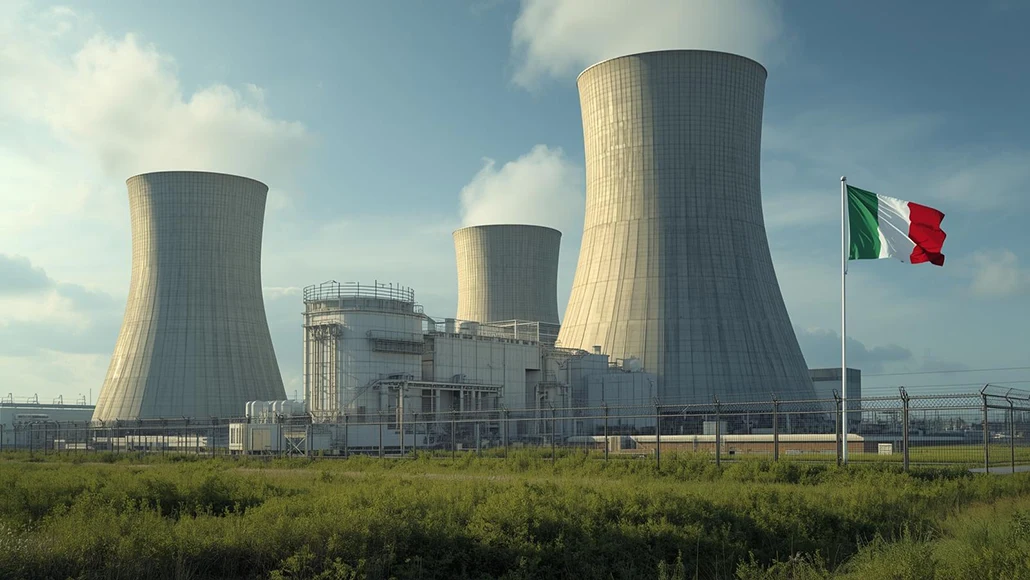
Italy’s Council of Ministers, led by President Giorgia Meloni, has given approval for final consideration of a bill that gives the government the power to bring nuclear energy back to the country.

The bill lays out a clear framework for how ‘sustainable’ nuclear power would be introduced, in line with Europe’s decarbonisation goals for 2050 and Italy’s energy security needs. It tasks the government with setting up a National Programme for Sustainable Nuclear Power, establishing an independent Nuclear Safety Authority, boosting scientific and industrial research, developing new technical skills, and running campaigns to inform and raise awareness among the public. Legislative decrees required to enforce the law are expected to be issued within 12 months of its enactment.

In a statement, the Council of Ministers highlighted the bill’s ambition: “The bill aims to comprehensively address the production of energy from sustainable nuclear and fusion sources, incorporating it into the Italian energy mix to achieve energy independence and decarbonisation goals. The measure transcends previous nuclear experiences and focuses on the use of the best available technologies, including modular and advanced ones. The bill takes into account the opinion expressed by the Joint Conference.”

Italy’s nuclear history dates back to the early 1960s with four operational plants. Following the Chernobyl disaster in 1986, a referendum led the country to phase out nuclear power, closing its last plants at Caorso and Trino Vercellese in 1990. After the Fukushima Daiichi accident in 2011, Italy imposed a one-year pause on building new nuclear plants, and public opposition stayed strong. But attitudes have started to change, with one-third of Italians favouring the use of nuclear energy in the country.

In May 2023, Parliament passed a motion asking the government to look at adding nuclear power to the country’s energy mix. That September, the National Platform for Sustainable Nuclear Power held its first meeting to outline a possible roadmap and explore opportunities for Italy’s industrial sector.

Minister of the Environment and Energy Security Gilberto Pichetto welcomed the draft law, emphasizing its forward-looking approach: “With this measure, Italy equips itself with a fundamental tool to look to the future with realism and ambition. We want to be leaders in new technologies, from SMR and AMR to fusion, within the framework of technological neutrality and the European energy transition. Sustainable nuclear power is a choice based on innovation, safety, and responsibility toward citizens, businesses, and the environment.”

Power Info Today brings together the global energy industry — from generation and transmission operators to utility executives and energy transition leaders — through trusted editorial, market intelligence, and digital engagement.

Our 2026 Media Pack offers integrated solutions to reach your audience:

  • Magazine & Digital Editions Showcase your brand within premium energy industry coverage read by executives and decision - makers worldwide.
  • Industry Insights & Reports Align with data - driven analysis, trend reports, and regional roundups across the global power and energy value chain.
  • Brand Authority & Credibility Position your company as a thought leader through expert commentary, interviews, and special features.

Latest stories

Related stories

Hydrogen Infrastructure Driving Future Energy Growth

As the world shifts toward a low-carbon economy, hydrogen infrastructure for energy growth is emerging as a critical engine for industrial transformation. Through massive investments in clean fuel production, storage, and transport, hydrogen is poised to unlock new energy markets and provide a sustainable solution for the hardest-to-abate sectors.

Energy Storage Systems Supporting Utility Expansion

The rapid growth of global energy demand is driving a massive scale-up of utility infrastructure, where energy storage systems serve as the critical balancer. By providing essential services like grid stability and seamless renewable integration, these systems are enabling a flexible and reliable expansion of modern power networks.

Smart Energy Infrastructure Improving Grid Efficiency

The digital transformation of the power sector is being led by smart energy infrastructure efficiency, where data-driven insights and automation are redefining grid performance. By integrating digital monitoring and predictive operations, utilities are creating a more responsive, reliable, and efficient energy network for the modern age.

Grid Modernization Driving Energy Infrastructure

Modern energy systems are undergoing a radical transformation as grid modernization becomes the cornerstone of infrastructure resilience. By integrating advanced digital monitoring, transmission upgrades, and smart grid technologies, utility providers are building a foundation for a reliable and decarbonized future.

Subscribe

- Never miss a story with notifications

- Gain full access to our premium content

- Browse free from any location or device.

Media Packs

Expand Your Reach With Our Customized Solutions Empowering Your Campaigns To Maximize Your Reach & Drive Real Results!

– Access the Media Pack Now

– Book a Conference Call

Leave Message for Us to Get Back

Translate »