

























The global energy landscape is currently undergoing a silent but profound transformation as the traditional reliance on high-temperature thermal processes gives way to more sophisticated, low-temperature alternatives. This evolution is not merely a change in thermodynamics; it represents a fundamental Low-Temperature Energy Systems Power Grid Redesign that is forcing engineers, urban planners, and policy makers to rethink the very architecture of how energy is harvested, distributed, and consumed. For the better part of a century, the power grid was designed to accommodate massive, centralized generation facilities where enormous amounts of heat were essentially treated as a waste product vented into the atmosphere or dumped into nearby water bodies. Today, the focus has shifted toward capturing every possible joule of low-grade thermal energy, creating a symbiotic relationship between heating networks and the electrical grid that defines our future energy systems.
The Evolution from High-Grade Steam to Low-Temperature Thermal Networks
Historically, district heating systems and industrial processes relied on high-grade steam or high-pressure hot water, often exceeding 120 to 150 degrees Celsius. While these systems were effective for specific high-intensity industrial applications, they suffered from significant transmission losses and strictly limited the types of energy sources that could be integrated into the network. The movement toward 4th generation district heating (4GDH) and the emerging 5th generation (5GDH) which operates at much lower temperatures, often between 45 and 60 degrees Celsius for 4GDH and near-ambient temperatures for 5GDH is a cornerstone of modern energy transition infrastructure. By lowering the operating temperature, we effectively open the door to a plethora of low-grade heat sources that were previously inaccessible, including industrial waste heat, sewage water, data center cooling loops, and shallow geothermal energy.
This transition requires a comprehensive power grid redesign. The integration of these low-temperature networks means that the grid is no longer a one-way street of electricity flow from a central plant to a passive consumer. Instead, it becomes a multi-vector platform where heat pumps and thermal storage act as flexible loads, absorbing excess renewable generation and releasing it when demand is high. This integration is critical for energy infrastructure planning, as it allows for the “peak shaving” of electrical demand by utilizing the inherent thermal inertia of large-scale water-based networks. In essence, the heating network acts as a giant battery, storing energy in the form of thermal potential rather than chemical electricity.
Thermodynamic Efficiency and the Role of Heat Pumps
At the heart of the Low-Temperature Energy Systems Power Grid Redesign is the high-efficiency heat pump. In a high-temperature system, the energy required to lift thermal energy to 120 degrees is substantial, often leading to low Coefficients of Performance (COP). However, in a low-temperature network, heat pumps can operate with a COP of 4.0 or higher, meaning for every unit of electricity consumed, four units of heat are delivered. This efficiency is what makes the electrification of heat feasible and sustainable. As we modernize our networks, the placement and control of these heat pumps become central to resilient grid design. They must be capable of responding to frequency fluctuations on the electrical grid, providing ancillary services while maintaining the thermal comfort of the end-users.
Architectural Implications for Resilient Grid Design
A resilient grid design in the 21st century must account for the increasing frequency of extreme weather events and the intermittent nature of renewable energy. Low-temperature systems contribute to this resilience by decentralizing the thermal supply. When a community relies on a localized, low-temperature network, the failure of a single large power plant does not necessarily mean a loss of heating or cooling for the entire region. Furthermore, the use of low-temperature energy systems power grid redesign strategies allows for the implementation of “bidirectional” thermal networks, also known as “anergy” networks. In these systems, buildings can both consume heat from the network and supply excess heat back into it, depending on their individual thermal balance at any given moment.
This bidirectional flow mirrors the evolution of the electrical grid into a “prosumer” model. In this context, network modernization involves the installation of smart valves, advanced heat exchangers, and localized controller units that manage the interaction between the electrical demand of heat pumps and the thermal demand of the building. By planning for these interactions at the earliest stages of energy infrastructure planning, cities can reduce their carbon footprint while simultaneously increasing the operational lifespan of existing electrical assets by avoiding overloads. The ability to shift thermal loads also reduces the need for expensive “peaker” plants, which are typically the most carbon-intensive part of the generation mix.
Technological Enablers and the Future of Network Modernization
The successful implementation of low-temperature networks depends heavily on the advancement of several key technologies. Beyond the heat pumps themselves, we are seeing the rise of ultra-insulated piping materials and advanced sensors that provide real-time data on flow rates and temperature gradients. These technologies are the building blocks of future energy systems, allowing for a level of precision in energy management that was previously impossible. When we discuss a Low-Temperature Energy Systems Power Grid Redesign, we are essentially talking about the mass deployment of these systems in a way that balances the needs of the electricity market with the thermal requirements of dense urban centers.
Integrating Waste Heat from Modern Urban Infrastructure
One of the most exciting and economically promising aspects of low-temperature networks is their ability to harvest heat that was previously ignored or treated as a nuisance. Data centers, which are becoming ubiquitous in the digital age, generate enormous amounts of low-grade heat through their cooling systems. In a traditional setup, this heat is expelled via cooling towers. In a 5th generation district heating network, this heat can be directly piped into the local grid, providing “free” heat to nearby residential blocks while significantly reducing the cooling costs for the data center itself. Integrating these unconventional sources into a coherent energy infrastructure planning framework requires a new level of cooperation between private enterprises, such as tech giants, and municipal utilities.
Similarly, the waste heat from subway systems, large-scale supermarkets, and even industrial wastewater can be recovered. These sources are often located right where the heat is needed in the heart of the city. By utilizing a low-temperature energy systems power grid redesign, we can create local thermal loops that minimize the distance heat must travel, thereby reducing transmission losses. This democratization of heat generation is a vital component of future energy systems, ensuring that energy security is maintained through a massive diversity of supply rather than reliance on a single, vulnerable fuel source or central plant.
Socio-Economic Challenges and Policy Frameworks
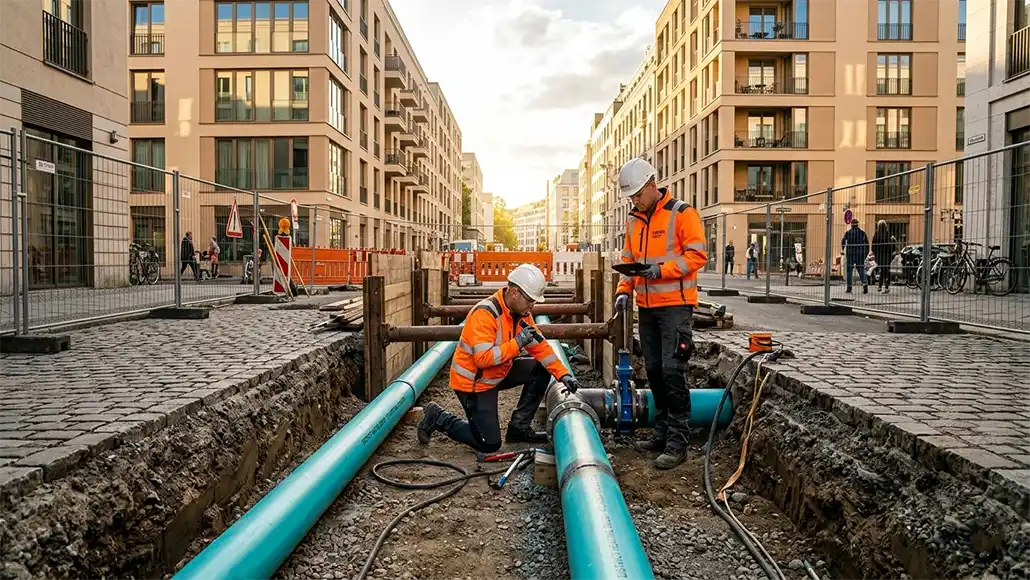
Despite the clear technical and environmental benefits, the path toward a Low-Temperature Energy Systems Power Grid Redesign is fraught with challenges. The most significant hurdle is the massive capital expenditure required for infrastructure overhaul. Replacing legacy steam pipes with modern, insulated polymer pipes is a disruptive and expensive process that involves tearing up city streets and coordinating with multiple utility providers. However, when viewed through the lens of long-term resilient grid design, the investment becomes much more attractive. The reduction in operational losses sometimes as high as 20% in old high-temperature systems along with the ability to participate in lucrative demand-response markets, provides a solid return on investment over a 20-to-30-year horizon.
Regulatory Reform and Integrated Sector Planning
For energy transition infrastructure to succeed, policy must keep pace with technology. Current regulations in many countries often treat heat and electricity as separate silos, which hinders the integrated planning necessary for modern systems. Incentivizing the development of low-temperature networks through carbon pricing or direct subsidies for heat pump installations can accelerate the transition. Moreover, building codes must be updated to mandate the readiness of new constructions for low-temperature heating, ensuring that the next generation of urban development is natively compatible with the power grid redesign.
There is also a social dimension to this transition. Ensuring that the benefits of low-temperature energy systems are distributed equitably is crucial. Lowering heating bills through efficient heat recovery can be a powerful tool for addressing energy poverty, but only if the initial infrastructure costs are not passed directly onto the most vulnerable consumers. Strategic energy infrastructure planning must include social impact assessments to ensure that the modernization of our networks serves the entire community.
The Long-Term Vision: An Integrated Energy Ecosystem
Looking ahead to the middle of the century, the distinction between a “power grid” and a “heating network” will continue to blur until we arrive at a truly integrated energy ecosystem. In this future, the Low-Temperature Energy Systems Power Grid Redesign will have reached its full maturity. We will see the rise of “micro-thermal districts” that operate with near-zero carbon emissions, leveraging the physics of low-temperature fluids to move energy efficiently across short distances. These districts will be interconnected by a high-voltage electrical backbone, but they will possess a high degree of local autonomy.
This vision of future energy systems is not just a technological aspiration but a necessity for meeting global climate targets. By focusing on the intelligent redesign of our networks to accommodate low-temperature thermal flows, we create a more flexible, resilient, and equitable energy landscape. The expertise required for this transition spans thermodynamics, electrical engineering, urban planning, and economics, representing one of the greatest collaborative challenges of our time. The successful implementation of these systems will stand as a testament to our ability to innovate in the face of the climate crisis, turning waste into warmth and efficiency into resilience.
Conclusion: Embracing the Thermal Revolution
The redesign of the power grid to accommodate low-temperature energy systems is a multi-decade project that requires vision, persistence, and technical excellence. As we phase out fossil fuels, the intelligent management of heat will become just as important as the generation of renewable electricity. By lowering the temperature of our ambitions at least in a thermodynamic sense we can raise the standard of our energy infrastructure, making it more robust, more efficient, and more sustainable. The Low-Temperature Energy Systems Power Grid Redesign is the bridge to a cleaner future, and the time to start building it is now.