




















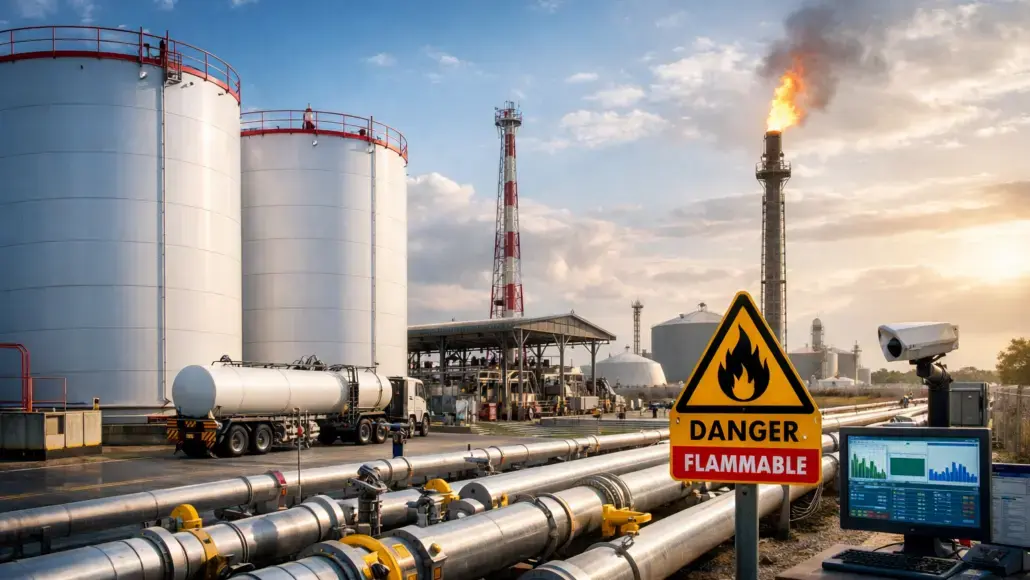

Fuel storage systems are a foundational component of modern industrial and energy infrastructure. They ensure that fuels such as diesel, gasoline, aviation fuel, and heating oil are available whenever and wherever they are needed. These systems operate quietly in the background of critical sectors including transportation, manufacturing, utilities, and emergency power generation. Without them, the continuity of energy supply chains would be far more vulnerable to disruption.
Industrial tank infrastructure management refers to the complete lifecycle oversight of these systems. This includes design, engineering, installation, daily operation, maintenance, regulatory compliance, and eventual decommissioning. As global energy demand continues to grow and environmental regulations become stricter, managing fuel storage infrastructure efficiently has become essential for both safety and sustainability.
At its core, a fuel storage system functions as a buffer between fuel production and end use. Refineries and processing facilities produce fuel continuously, while consumption fluctuates based on demand. Storage systems absorb these fluctuations, ensuring that supply remains stable even during peak usage periods or transportation delays.
These systems typically include storage tanks, piping networks, pumping equipment, and monitoring systems that work together to move fuel safely and efficiently. In more advanced installations, automated sensors track levels, detect anomalies, and regulate flow to prevent overfilling or pressure imbalances.
Fuel storage is not simply about containment. It is an active part of the energy distribution chain, playing a key role in operational reliability across multiple industries.
Types of Industrial Fuel Storage Tanks
Industrial fuel storage is generally divided into two main categories: above ground storage tanks and underground storage tanks.
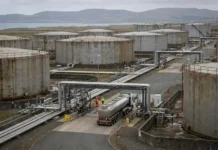
Above ground storage tanks are commonly used in industrial facilities due to their accessibility and ease of inspection. They are typically constructed from steel or reinforced alloys and positioned on prepared foundations. Because they are visible and accessible, maintenance and monitoring are simpler, which reduces long-term operational complexity. However, they are more exposed to environmental conditions such as temperature fluctuations, corrosion, and physical impact.
Underground storage tanks, on the other hand, are installed below the surface. These are often used in locations where space is limited or where visual impact must be minimized, such as fuel stations or densely built industrial sites. While they are protected from external weather conditions, they present greater challenges in terms of inspection, leak detection, and repair. Any issue underground tends to be more complex and costly to address due to excavation requirements.
Both types require strict engineering standards and regulatory compliance to ensure safe operation and environmental protection.
Engineering, Design, and Safety Considerations
Designing a fuel storage system requires careful planning that goes far beyond simply selecting a tank size. Engineers must evaluate expected fuel demand, operational conditions, and long-term scalability. Incorrect capacity planning can lead to inefficiencies, either through unnecessary cost or insufficient supply during peak demand.
Material selection is another critical factor. Tanks must be compatible with the type of fuel stored and resistant to corrosion and chemical degradation. Environmental conditions such as soil composition, seismic activity, and temperature variation also influence design decisions, particularly for underground installations.
Safety is central to every stage of design. Modern systems incorporate multiple protective layers, including containment barriers, pressure relief mechanisms, and automated shutdown systems. Leak detection technologies are also widely used to identify potential failures before they escalate into environmental or operational incidents.
Installation and System Commissioning
The installation of fuel storage systems is a highly controlled process that requires specialized expertise. For underground systems, excavation and site preparation are carried out first, followed by careful placement of the tank and integration of piping networks. Above ground systems require foundation construction and secure anchoring to ensure stability.
Once physical installation is complete, the system undergoes a commissioning phase. This involves pressure testing, safety verification, and calibration of monitoring equipment. Only after passing these checks is the system approved for operational use. This stage is critical, as even minor installation errors can lead to long-term safety or performance issues.
Maintenance and Operational Management
After commissioning, fuel storage systems require ongoing maintenance to ensure reliability and safety. Routine inspections help identify early signs of corrosion, structural wear, or mechanical failure. Monitoring systems track fuel levels, temperature changes, and pressure variations to ensure that the system is operating within safe limits.
Fuel quality management is also an important aspect of operations. Over time, fuel can degrade due to contamination or chemical changes, which can affect performance in engines or machinery. Regular testing ensures that stored fuel remains within usable standards.
Preventive maintenance is widely preferred over reactive repair strategies. By addressing potential issues early, operators can avoid costly downtime and reduce the risk of environmental incidents.
Environmental Protection and Leak Prevention
Environmental safety is one of the most important responsibilities in fuel storage management. Even small leaks can lead to significant soil and groundwater contamination, creating long-term environmental and financial consequences.
To mitigate these risks, modern systems use double-walled tank designs, secondary containment structures, and continuous monitoring technologies. Underground installations often include additional groundwater monitoring systems to detect leaks early.
Regulatory frameworks require operators to respond quickly to any indication of system failure. This typically involves immediate shutdown procedures, investigation, and remediation efforts to prevent environmental damage from spreading.
Tank Decommissioning and Removal
Fuel storage systems are not permanent installations. Over time, tanks may become outdated, structurally compromised, or non-compliant with evolving environmental regulations. When this happens, they must be safely removed from service through a structured decommissioning process.
This stage often involves fuel tank removal as a central step in dismantling the infrastructure. Before removal begins, tanks are fully drained, cleaned, and certified as gas-free to eliminate safety hazards. Depending on the installation type, tanks may then be excavated from the ground or dismantled on-site if they are above ground structures.
Once the physical tank is removed, surrounding areas are inspected for potential contamination. If necessary, contaminated soil is excavated and treated according to environmental regulations. The final step involves restoring the site and completing documentation to confirm compliance with safety and environmental standards.
Decommissioning is one of the most sensitive phases in the lifecycle of fuel storage systems because it directly affects environmental safety and regulatory accountability.
Digitalization and Modern Monitoring Technologies
In recent years, fuel storage infrastructure has increasingly adopted digital technologies to improve efficiency and safety. Internet-connected sensors now allow real-time monitoring of fuel levels, temperature, and system pressure. These systems can alert operators immediately when irregularities are detected.
Predictive maintenance tools are also becoming more common. By analyzing historical performance data, these systems can forecast potential failures before they occur. This allows operators to schedule maintenance proactively rather than reacting to breakdowns.
Automated reporting systems further simplify compliance by generating required documentation for regulatory bodies without manual intervention. These advancements are transforming fuel storage from a largely mechanical discipline into a data-driven infrastructure system.
Industry Challenges and Future Developments
Despite technological progress, the fuel storage industry continues to face challenges. Many regions still rely on aging infrastructure that requires costly upgrades or replacement. Compliance with environmental regulations can also be expensive, particularly for underground systems that require excavation and remediation work.
Labor shortages in specialized engineering and maintenance roles further complicate operations. As systems become more technologically advanced, the need for skilled technicians continues to grow.
Looking ahead, fuel storage systems are expected to evolve alongside broader energy transitions. While renewable energy is expanding rapidly, liquid fuel storage will remain essential for aviation, shipping, industrial backup systems, and emergency power generation. Future systems will likely integrate more automation, improved environmental safeguards, and hybrid energy storage solutions that combine traditional fuels with emerging alternatives.
Fuel storage systems are a critical part of global energy infrastructure, ensuring stability and continuity across multiple industries. Their management requires a comprehensive lifecycle approach that includes careful design, precise installation, consistent maintenance, environmental protection, and responsible decommissioning.
As energy systems become more complex and environmentally regulated, industrial tank infrastructure management continues to evolve toward safer, smarter, and more efficient practices. From initial construction to final fuel tank removal, each stage plays an essential role in maintaining the reliability and sustainability of modern energy networks.