


















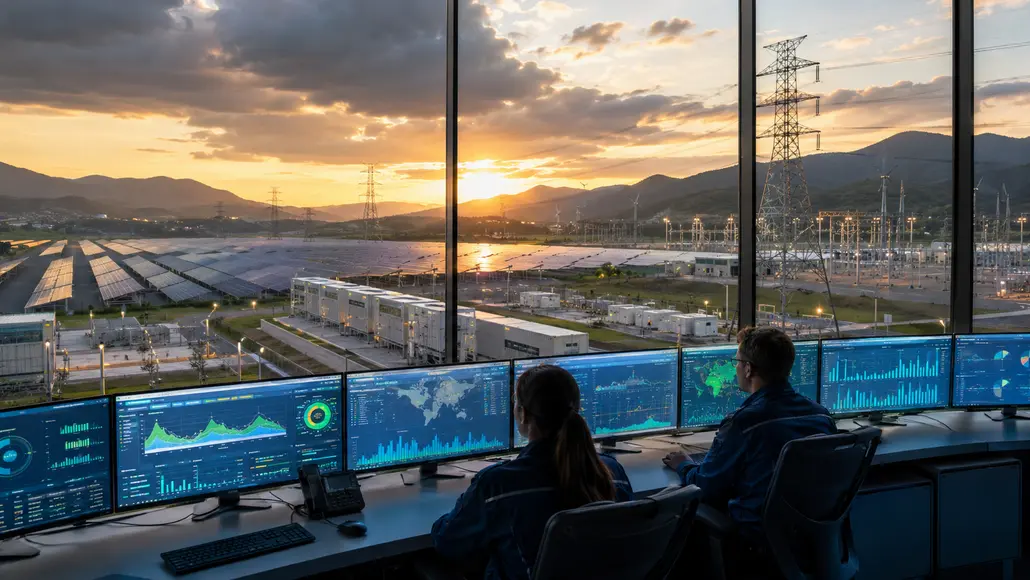

The global transition toward a sustainable energy future has placed solar power at the epicenter of a technological and infrastructural revolution. As nations strive to meet ambitious decarbonization targets, the proliferation of photovoltaic (PV) assets has moved from the fringes of the energy mix to a dominant position. However, this shift brings forth a suite of engineering and operational challenges that demand a fundamental reimagining of how electricity is generated, managed, and delivered. The process of solar grid integration is no longer a simple matter of connecting panels to a local circuit; it is an intricate dance of power electronics, data science, and long-term infrastructure planning. Ensuring that this integration supports a reliable power system is the defining challenge for utility operators, engineers, and policy makers in the mid-21st century.
One of the most persistent hurdles in this journey is the inherent solar variability. Unlike traditional thermal power plants such as coal, nuclear, or natural gas which provide a steady and predictable “baseload” of electricity, solar output is governed by the caprices of the atmosphere. The diurnal cycle provides a predictable pattern of generation, but the short-term fluctuations caused by passing clouds, seasonal weather patterns, and localized atmospheric conditions introduce a level of volatility that traditional grids were never designed to handle. A sudden drop in solar production due to cloud cover can create rapid “ramp rates” that stress the grid’s frequency and voltage regulation mechanisms. To mitigate this, grid operators are increasingly relying on high-resolution weather forecasting and advanced telemetry to anticipate these shifts and prepare backup reserves in real-time.
Advanced Control Systems and the Role of Smart Inverters
As the penetration of renewable energy increases, the physical characteristics of the grid are changing. Historically, the large rotating masses of steam and gas turbines provided “mechanical inertia,” a physical buffer that helped maintain grid frequency during disturbances. Solar PV systems, being inverter-based resources, lack this inherent physical inertia. This is where the evolution of inverter technology becomes critical for grid stability. Modern “smart inverters” are being engineered with grid-forming capabilities, allowing them to provide synthetic inertia and fast frequency response. These devices can detect a drop in grid frequency within milliseconds and inject power to stabilize the system, effectively mimicking the behavior of traditional generators without the need for fossil fuels.
Furthermore, solar grid integration involves the management of voltage profiles across the distribution network. In areas with high concentrations of rooftop solar, the flow of electricity can sometimes reverse, pushing power back into the high-voltage transmission lines. This bi-directional flow can cause voltage spikes that damage equipment or trigger localized outages. To solve this, utilities are deploying advanced distribution management systems (ADMS) that communicate with smart inverters to adjust their reactive power output. By dynamically managing the “volt-VAR” relationship, these systems ensure that the grid remains within safe operating limits even as thousands of individual solar systems fluctuate throughout the day.
Managing Solar Curtailment and Enhancing System Flexibility
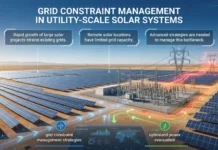
A significant economic and technical challenge in high-renewables environments is solar curtailment. This occurs when the grid cannot absorb the total amount of solar energy being produced, often during the sunniest parts of the day when demand might be low. While curtailment is sometimes necessary to protect the physical integrity of the grid, it represents a loss of clean energy and revenue. Reducing curtailment requires a multi-pronged strategy focused on increasing system flexibility. This involves not only the addition of energy storage but also the implementation of demand-side management programs. By incentivizing industrial consumers to shift their heaviest loads such as water desalination, green hydrogen production, or heavy manufacturing to midday, we can synchronize consumption with peak solar production.
The development of Virtual Power Plants (VPPs) is another innovative approach to renewable grid integration. A VPP aggregates thousands of small-scale solar and storage assets into a single, controllable entity that can provide services to the grid operator. By coordinating the discharge of home batteries or the modulation of electric vehicle charging, a VPP can act as a “peaker plant,” providing power when demand is high or absorbing excess solar energy when generation peaks. This decentralized approach turns the challenges of distributed generation into a resource, allowing the grid to become more organic and responsive.
Strengthening Transmission Infrastructure for Long-Distance Delivery
The geographical reality of solar energy often places the most productive regions far from the largest centers of consumption. Deserts and rural plains may offer ideal conditions for massive solar farms, but the urban centers that need that power may be hundreds or even thousands of miles away. This necessitates a significant expansion and modernization of our transmission infrastructure. High-voltage direct current (HVDC) lines are becoming the preferred method for moving large volumes of renewable power over long distances with minimal loss. Unlike traditional alternating current (AC) lines, HVDC allows for precise control of power flow, making it easier to integrate variable solar inputs into a stable national or international energy market.
In addition to building new lines, we must make existing transmission networks smarter. Dynamic line rating (DLR) technology uses sensors to monitor the real-time temperature and wind conditions around transmission wires. Because wind and cooler temperatures allow wires to carry more current without sagging or overheating, DLR can increase the capacity of existing infrastructure by 20% to 30%. This is particularly valuable for solar grid integration, as the sunniest days are often accompanied by weather patterns that allow for higher transmission throughput. By maximizing the utility of our current assets, we can accelerate the renewable transition while keeping costs manageable for the end consumer.
Regional Cooperation and the Interconnected Energy Future
No grid is an island, and the path to a reliable power system is paved with regional cooperation. By interconnecting isolated grids, we can leverage the “geographical smoothing” effect. While one region may be under cloud cover, another several hundred miles away may be experiencing clear skies. An interconnected network allows these regions to share resources, effectively leveling the total solar output and reducing the reliance on localized storage. This requires not only physical cables but also harmonized market rules and regulatory frameworks that allow for the seamless trading of energy across borders.
In conclusion, the successful integration of solar energy into our power systems is a multifaceted endeavor that requires excellence in engineering, policy, and digital innovation. By focusing on grid stability through advanced power electronics, reducing curtailment via demand-side flexibility, and investing in a robust transmission infrastructure, we can build a resilient energy network. The journey toward solar grid integration is a journey toward a more democratic, efficient, and sustainable world. As we continue to refine these technologies, solar power will transition from a variable contributor to the bedrock of a reliable and decarbonized global energy system.