
























The global energy transition is often discussed in the context of towering wind turbines and expansive solar farms. While these are the visible symbols of the shift toward sustainability, the most critical technology enabling this monumental transformation remains largely hidden from public view. Power electronics the application of solid-state electronics to the control and conversion of electric power is the invisible backbone of the 21st-century electrical grid. As we move away from the traditional model of large, centralized synchronous generators, the role of Power Electronics in Modern Energy Systems has evolved from a niche support function into the primary mechanism for ensuring grid stability, efficiency, and reliability. Without the sophisticated switching and control capabilities of modern converters, our transition to a carbon-neutral energy future would be physically and economically impossible.
The Evolution of Power Electronics Technology: From Silicon to Wide Bandgap
At the fundamental heart of every modern power electronic device is the semiconductor switch. For decades, the industry standard was the silicon-based Insulated Gate Bipolar Transistor (IGBT), which provided a reliable means of switching high power at moderate speeds. However, as the demands for efficiency and power density have increased, silicon has reached its physical limits. The emergence of Wide Bandgap (WBG) materials, specifically Silicon Carbide (SiC) and Gallium Nitride (GaN), has fundamentally altered the performance ceiling for power electronics technology. These materials possess a much larger energy gap between their valence and conduction bands, allowing them to operate at significantly higher voltages, temperatures, and switching frequencies.
This material revolution is the primary driver behind modern energy system optimization. In the automotive sector, SiC-based power electronics are reducing energy losses in electric vehicle (EV) inverters by up to 50%, while simultaneously allowing for smaller, lighter cooling systems. In the utility-scale energy sector, these advanced materials enable the creation of ultra-compact energy converters for offshore wind applications, where every square meter of space on a platform is extremely expensive. The transition to WBG semiconductors represents a critical step in the evolution of power electronics in modern energy systems, ensuring that we can manage megawatts of power with the precision of a microprocessor.
Smart Inverters and the Challenge of Grid Stability
As the penetration of inverter-based resources (IBRs) such as solar PV and battery storage increases, the electrical grid loses the “natural” rotational inertia provided by the massive spinning rotors of traditional coal, gas, or nuclear plants. This inertia acts as a shock absorber, naturally resisting sudden changes in grid frequency. To combat the loss of this physical inertia, the industry has turned to smart inverters. These are advanced power electronics in modern energy systems that are programmed to provide “synthetic inertia” and fast frequency response. They can detect a frequency drop and inject power into the grid in a matter of milliseconds far faster than a traditional turbine could react.
Grid-forming inverters represent the next frontier in grid stability solutions. Unlike traditional “grid-following” inverters, which require a stable voltage reference from the grid to operate, grid-forming units can establish their own voltage and frequency. This capability is vital for the operation of microgrids and for “black-start” operations, where a localized grid must be restarted from scratch after a total power outage. By integrating these advanced control algorithms into the power electronics technology of renewable assets, we are building a self-healing, decentralized grid that is fundamentally more resilient than its centralized predecessor.
Voltage Control Systems and Reactive Power Management
Maintaining a stable voltage profile across a massive interconnected grid is a complex task that requires constant adjustment. Traditionally, this was managed using bulky mechanical equipment like tap-changers and capacitor banks. Today, power electronics technology provides a much more elegant solution through devices like Static Synchronous Compensators (STATCOMs). These devices use high-speed power electronics in modern energy systems to provide or absorb reactive power almost instantaneously. By acting as a high-speed “buffer” for the grid, STATCOMs can prevent voltage collapses during periods of high demand or following a sudden fault on a transmission line. The precision and speed of these electronic solutions allow for much higher utilization of existing physical infrastructure, delaying or even eliminating the need for costly new transmission lines.
Renewable Power Integration and the Shift to DC Architecture
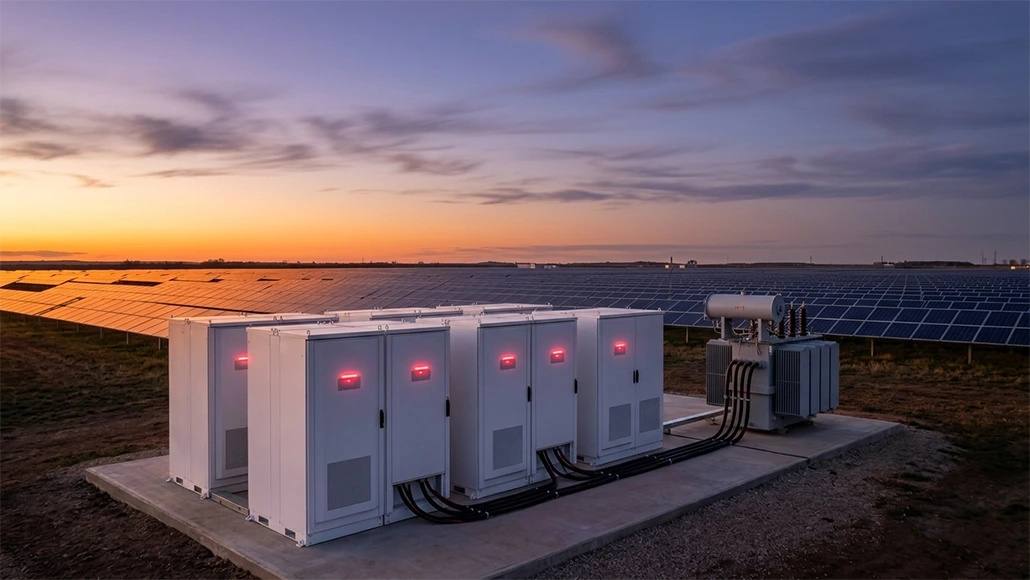
One of the most profound impacts of power electronics in modern energy systems is the facilitation of large-scale renewable power integration. Solar photovoltaics and battery energy storage systems (BESS) are inherently DC-based technologies. To integrate them into a traditionally AC grid, we rely on high-performance energy converters. However, as the world becomes more electrified, there is a growing trend toward “DC-coupling” these assets to minimize conversion stages. By keeping energy in DC format from the solar panel, through the battery, and all the way to an EV charger or a LED lighting system, we can eliminate up to 10-15% of the efficiency losses typically associated with multiple AC-DC conversions.
The Rise of HVDC: Energy Superhighways
Long-distance energy transmission is another area being completely transformed by power electronics. High-Voltage Direct Current (HVDC) technology allows for the transport of massive amounts of electricity over thousands of miles with significantly lower losses than traditional AC transmission. Modern Voltage Source Converters (VSC-HVDC) use advanced power electronics technology to bridge the gap between regional grids, even when those grids are not synchronized. These “energy superhighways” are essential for bringing renewable energy from remote locations such as offshore wind farms or desert solar arrays to the urban centers where demand is highest. The ability of HVDC systems to precisely control power flow also makes them a powerful tool for preventing cascading blackouts.
Digital Power Control and the Internet of Energy
The convergence of power electronics and digital communication technology has given birth to the concept of digital power control. Modern energy converters are no longer “dumb” switches; they are essentially high-power computers that sample voltage and current thousands of times per second. This data is used not only for local control but is also fed into cloud-based platforms for energy system optimization. By using machine learning algorithms to analyze the performance of power electronics in modern energy systems across a wide geographic area, utilities can predict hardware failures before they occur and optimize power flows to minimize network congestion.
This “Internet of Energy” relies on the seamless communication between diverse power electronic nodes. Whether it is a residential smart inverter or a massive industrial motor drive, the ability to exchange data and respond to central dispatch commands is what makes a smart grid truly “smart.” Digital power control enables the orchestration of millions of distributed energy resources (DERs), turning them into a single, cohesive virtual power plant that can provide the same services as a traditional utility-scale power station.
Challenges in the Mass Deployment of Power Electronics
Despite the immense potential, the widespread adoption of power electronics in modern energy systems brings its own set of technical and economic challenges. One of the most pressing is the issue of electromagnetic interference (EMI) and harmonic distortion. The high-speed switching of wide bandgap semiconductors can introduce “noise” into the electrical signal, which can interfere with communication equipment or damage sensitive industrial machinery if not properly filtered. Designing robust filters and ensuring electromagnetic compatibility (EMC) is a significant and costly part of modern energy system optimization.
Furthermore, the complexity of these systems requires a new generation of engineers who are proficient in both traditional power systems and advanced control theory. There is also a significant cyber-security risk to consider. As power electronics become more interconnected and software-defined, they become potential targets for cyber-attacks that could disrupt the stability of the entire grid. Ensuring that the digital power control layers are secure and resilient is just as important as the physical reliability of the semiconductors themselves.
Conclusion: The Future is Solid-State
As we look toward 2050, the reliance on power electronics in modern energy systems will only increase. We are moving toward a world where every single electron generated by a renewable source will pass through at least one, if not several, power electronic stages before it reaches its final destination. The continued innovation in power electronics technology from the atomic level of wide bandgap materials to the system-wide orchestration of digital controls will be the single most important factor in determining the success of our global energy transition.
The transformation of our modern energy systems is an ongoing process of refinement, optimization, and integration. By embracing the power of the solid-state switch, we are building a grid that is more flexible, more efficient, and ultimately more sustainable. The expertise of the power electronics community will be the guiding light for this transition, ensuring that the lights stay on in a world powered by the sun, the wind, and the silicon carbide wafer.