


































The modernization of the electrical power grid is a double-edged sword. On one hand, the transition toward a smart, interconnected, and highly automated network is essential for integrating renewable energy and improving operational efficiency. On the other hand, this digital transformation has vastly expanded the “attack surface” available to malicious actors. Today, the electrical grid is no longer just a physical network of copper and steel it is a complex digital ecosystem that is vulnerable to sophisticated cyber threats. Implementing comprehensive Cybersecurity Strategies for Modern Power Grids is now a top national security priority worldwide. Protecting our critical energy infrastructure requires a multi-layered approach that combines technical defenses, organizational resilience, and international cooperation to ensure that the lights stay on in an increasingly hostile digital environment.
The Evolving Threat Landscape in the Energy Sector
In the past, the electrical grid was protected by its relative isolation. Control systems, such as SCADA (Supervisory Control and Data Acquisition), operated on proprietary protocols and were often “air-gapped” from the public internet. However, the drive for efficiency and the need for real-time data have brought these industrial control systems (ICS) into the digital fold. This connectivity allows utilities to manage thousands of decentralized assets, but it also exposes them to the same types of cyberattacks that plague the corporate world, along with specialized threats designed specifically to disrupt physical infrastructure.
Cyber threat prevention in the power sector must account for a wide range of actors, from individual hackers and criminal organizations looking for ransom to state-sponsored groups aiming to sabotage national infrastructure. The 2015 and 2016 attacks on the Ukrainian power grid served as a wake-up call for the global energy industry, demonstrating that a well-orchestrated cyberattack could indeed take down a significant portion of a nation’s power supply. Since then, the complexity of these threats has only grown, with attackers using increasingly sophisticated techniques like supply chain compromises and AI-driven social engineering to gain a foothold in power network security environments.
Defending Critical Energy Infrastructure with a Defense-in-Depth Approach
To counter these evolving threats, cybersecurity experts advocate for a “defense-in-depth” strategy. This approach involves multiple layers of overlapping security controls, ensuring that if one layer is breached, others remain to protect the core assets. The first layer is the protection of the perimeter through robust firewalls, intrusion detection systems (IDS), and strict access control policies. However, in the age of the smart grid, the perimeter is becoming increasingly blurred. With millions of smart meters and IoT devices connected to the network, every node is a potential entry point for an attacker.
The second layer of Cybersecurity Strategies for Modern Power Grids focuses on internal network segmentation. By dividing the grid’s digital environment into smaller, isolated zones, utilities can prevent a local breach from escalating into a system-wide failure. For example, the communication network used for billing smart meters should be strictly isolated from the control network that operates high-voltage circuit breakers. This segmentation is a core tenet of energy infrastructure security, providing a critical buffer that limits the movement of a malicious actor within the system. If an attacker manages to compromise a low-priority asset, they should find it physically impossible to bridge the gap into the mission-critical control systems.
The Importance of Real-Time Monitoring and Threat Hunting
In the current environment, it is no longer enough to wait for an alarm to go off. Active cyber threat prevention requires continuous, real-time monitoring of all network traffic and system behaviors. Advanced security orchestration, automation, and response (SOAR) platforms are being deployed to ingest massive amounts of data and identify patterns that indicate a potential intrusion. These systems use machine learning to establish a “baseline” of normal activity and flag any deviation such as an unusual command being sent to a substation or a sudden spike in data traffic to an unknown IP address as a potential threat.
Furthermore, utilities are increasingly engaging in “threat hunting.” This involves security teams proactively searching through their systems for signs of compromise that may have evaded automated defenses. This “assumed breach” mindset is essential for modern critical infrastructure cybersecurity. By assuming that an attacker is already present, security teams are more likely to find the subtle footprints left by sophisticated state-sponsored actors. This proactive stance is a fundamental component of grid resilience, as it allows for the discovery and containment of threats before they have a chance to cause physical damage or a service outage.
Hardening the Physical-Cyber Interface
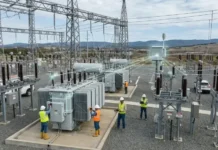
The most unique and dangerous aspect of power grid cybersecurity is the interface between the digital and physical worlds. Unlike a data breach in a bank, a successful cyberattack on the power grid can have immediate and devastating physical consequences. An attacker who gains control of a protective relay could potentially damage or destroy a multi-million dollar transformer that takes months to replace. Cybersecurity Strategies for Modern Power Grids must therefore include the physical hardening of these interfaces.
This involves not only the use of specialized hardware security modules (HSMs) and the implementation of robust encryption for all control signals, but also strict physical access control solutions such as secured relay rooms, biometric authentication, and layered entry systems to prevent unauthorized personnel from directly interacting with operational technology. Every command sent over the network must be authenticated to ensure it came from a legitimate source and has not been tampered with in transit. Moreover, there is a growing interest in using blockchain or other distributed ledger technologies to create immutable logs of all system commands, providing a transparent and tamper-proof record that can be used for forensic analysis following an incident. By making the digital command-and-control system as resilient as the physical equipment it manages, we can significantly reduce the risk of a cyberattack causing permanent physical damage to the grid.
Organizational Resilience and the Human Factor
Technical solutions are only half of the battle. The human factor remains the weakest link in any security strategy. Many of the most successful cyberattacks on infrastructure have started with a simple phishing email or the use of a compromised password. Therefore, comprehensive Cybersecurity Strategies for Modern Power Grids must include rigorous and ongoing training for all employees, from the CEO to the substation technician. Everyone must understand their role in protecting the grid and be able to recognize the signs of a potential social engineering attack.
Organizational resilience also involves the development of detailed incident response and recovery plans. Utilities must regularly conduct “war game” exercises where they simulate a major cyberattack and practice their response in real-time. These exercises involve not only the IT and OT (Operational Technology) teams but also executive leadership, legal counsel, and communication specialists. Knowing exactly who to call, what systems to isolate, and how to communicate with the public during a crisis can be the difference between a minor incident and a national catastrophe. A resilient organization is one that can maintain its essential functions even while its digital systems are under attack.
International Cooperation and Regulatory Standards
The electrical grid is an interconnected network that often spans international borders. A cyberattack on one country’s grid can have cascading effects on its neighbors. Therefore, power network security is inherently a global challenge that requires international cooperation. Governments and utilities around the world must work together to share threat intelligence, develop common security standards, and coordinate their responses to major incidents. Organizations like NERC (North American Electric Reliability Corporation) in North America and ENTSO-E in Europe play a vital role in establishing these baseline standards and facilitating the sharing of best practices.
Regulatory frameworks must also evolve to keep pace with the changing threat landscape. Mandatory cybersecurity standards, such as the NERC CIP (Critical Infrastructure Protection) standards, provide a necessary baseline for utility security. However, regulation alone is not enough. The goal should be to foster a culture of “continuous security,” where utilities are encouraged to go beyond the minimum requirements and actively innovate in their defense strategies. Public-private partnerships are essential for this, as they allow for the rapid transfer of technical expertise and threat intelligence between the government and the private sector companies that own and operate the vast majority of the grid.
Conclusion: Building a Future-Proof Grid
As we look to the future, the reliance on a stable and secure electrical supply will only increase. With the electrification of transport and heating, a prolonged power outage is no longer just an inconvenience it is a life-threatening event. Therefore, the implementation of Cybersecurity Strategies for Modern Power Grids is an ongoing and never-ending process. We are locked in a permanent digital arms race with our adversaries, and we must remain constantly vigilant.
By combining technical defense-in-depth, proactive threat hunting, organizational resilience, and international cooperation, we can build a grid that is not only smart and green but also secure and resilient. The cybersecurity of our energy infrastructure is the foundation upon which the entire modern economy is built. Protecting it requires a commitment of resources, expertise, and political will commensurate with its importance. In the digital age, the strongest defense is a prepared and united one, and our energy security depends on it.