





























The landscape of electrical infrastructure is undergoing a profound transformation, driven by the advent of digital technologies and the need for higher operational efficiency. At the center of this change is the shift toward more proactive methods of managing power assets. Predictive maintenance transforms substation performance by moving beyond scheduled inspections and into the realm of real-time diagnostics and data analytics. This transition is not just a technological upgrade; it is a fundamental shift in how utility providers approach the reliability of their systems. By leveraging the power of sensors and sophisticated algorithms, operators can now foresee potential failures and intervene long before they disrupt the supply of electricity to millions of consumers.
Traditionally, maintenance was a cyclical process, with technicians visiting substations on a fixed schedule to perform manual checks. While this was an improvement over reactive maintenance, it was often inefficient and prone to human error. Components might be replaced while they still had years of useful life, or conversely, a critical flaw might develop just days after a scheduled inspection. The introduction of a predictive maintenance substation model changes this dynamic by allowing the equipment to communicate its own state of health. This constant stream of data provides a level of visibility that was previously unattainable, ensuring that maintenance efforts are directed where they are most needed, exactly when they are needed.
The Technological Foundation of Predictive Diagnostics
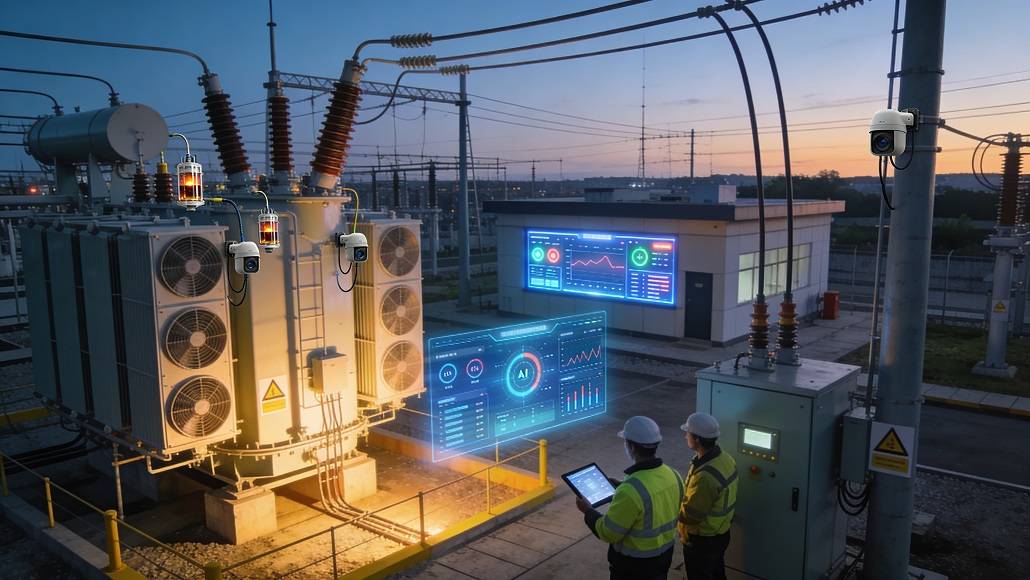
The success of any predictive maintenance strategy relies on the quality and frequency of the data collected from the field. In a modern substation, this data is gathered through a network of specialized sensors designed to monitor various physical parameters. For instance, sensors on a power transformer might track the levels of dissolved gases in the insulating oil, the temperature of the windings, and the vibration levels of the cooling fans. This information is then transmitted to a central processing unit where it is analyzed for signs of abnormality. This level of condition monitoring is the bedrock upon which high-level substation performance is built.
These sensors are increasingly integrated with fiber-optic communication networks, allowing for the near-instantaneous transmission of data over long distances. This is particularly important for remote or unmanned substations, where physical inspections are costly and time-consuming. By providing a virtual window into the operation of these sites, predictive maintenance substation technologies allow for a centralized approach to asset management. Managers can monitor the health of their entire network from a single dashboard, identifying trends and prioritizing repairs based on the actual risk of failure rather than an arbitrary calendar.
Real-Time Monitoring and the Data-Driven Advantage
The move toward real-time monitoring represents a significant leap in operational capability. In a traditional maintenance model, the condition of an asset is only known at the time of inspection. Between inspections, the utility is essentially operating in the dark. With real-time monitoring, the health of the asset is known every second of every day. This continuous oversight allows for the detection of subtle changes in performance that might indicate the early stages of a failure. For example, a slight increase in the partial discharge activity within a switchgear unit could be the first sign of insulation breakdown—a problem that can be corrected easily if caught early but could lead to a catastrophic fire if ignored.
This data-driven advantage extends beyond simple fault detection. By analyzing historical data, utility providers can build a comprehensive profile of how their assets perform under different conditions. They can see how extreme heat, high load, or lightning strikes affect the aging process of their equipment. This information is invaluable for long-term planning, as it allows engineers to refine their maintenance protocols and make more informed decisions about future equipment specifications. In this way, a predictive maintenance substation model becomes a tool for continuous improvement, driving higher standards of performance across the entire power system.
The Role of AI and Machine Learning in Failure Prediction
As the volume of data generated by substation sensors grows, the role of artificial intelligence (AI) and machine learning (ML) becomes increasingly critical. These technologies are capable of processing vast datasets far more quickly and accurately than human analysts. In the context of a predictive maintenance substation, AI can be used to identify complex patterns that correlate with specific types of failure. For instance, an ML algorithm might discover that a specific combination of vibration and temperature always precedes a failure in a particular model of cooling pump. Once identified, this pattern can be used to trigger an automatic alert, allowing maintenance teams to intervene before the pump fails.
Furthermore, AI can help to filter out the “noise” in the data, identifying which alerts require immediate attention and which are simply normal variations in performance. This reduces the risk of “alarm fatigue” among operators and ensures that the most critical issues are always prioritized. As these AI models are fed more data over time, they become increasingly accurate, moving the industry closer to a “zero-outage” goal. This high level of automation is essential for the future of the smart grid, where the complexity of the network will require more autonomous and intelligent management systems.
Enhancing Grid Stability through Asset Longevity
The primary goal of any maintenance strategy is to ensure the stability and reliability of the electrical grid. A predictive maintenance substation model achieves this by significantly reducing the frequency and duration of unplanned outages. When a failure is predicted and addressed through a planned maintenance event, the impact on the grid is minimal. Loads can be rerouted, and the work can be performed during periods of low demand. This is a stark contrast to a sudden failure, which can trigger protective relaying and cause widespread blackouts.
In addition to improving reliability, predictive maintenance also extends the useful life of expensive power assets. By addressing small issues before they cause significant damage, utilities can keep their equipment in top condition for much longer. For example, replacing a faulty seal on a transformer as soon as a leak is detected can prevent the ingress of moisture, which would otherwise degrade the insulation and force a premature replacement of the entire unit. Over the lifetime of a large utility’s fleet, these small interventions can save hundreds of millions of dollars in capital expenditure, all while providing a more stable and resilient grid for the public.
Economic Impacts of a Proactive Maintenance Culture
The economic benefits of transitioning to a predictive maintenance substation model are multi-faceted. On the most direct level, it reduces the cost of repairs. Planned maintenance is almost always cheaper than emergency repairs, as it allows for the efficient use of labor and the pre-ordering of parts at non-premium prices. It also reduces the need for large inventories of spare parts, as the utility has a better idea of what will be needed and when. This leaner approach to operations frees up capital that can be reinvested in other areas of the business, such as grid modernization or renewable energy integration.
Beyond the direct costs, there are also significant indirect economic benefits. Reliability is a key factor in attracting and retaining industrial customers, for whom even a short outage can result in millions of dollars in lost production. By providing a more stable power supply, utilities can support the economic growth of the regions they serve. Additionally, many regulatory bodies now offer financial incentives for utilities that meet certain reliability targets, or conversely, impose fines for poor performance. In this regulatory environment, the investment in a predictive maintenance substation model is not just a technical choice; it is a sound financial strategy that protects the company’s bottom line.
Overcoming Implementation Challenges for Maximum Performance
While the benefits of predictive maintenance are clear, implementing such a system is not without its challenges. One of the primary hurdles is the need for significant upfront investment in sensors, communication infrastructure, and software. For many utilities with aging systems, this can be a daunting prospect. However, the cost of these technologies has decreased significantly in recent years, and many providers are opting for a phased rollout, starting with their most critical or vulnerable substations and expanding as the ROI is demonstrated.
Another challenge is the “data silo” problem, where different departments within a utility use different software systems that don’t communicate with each other. For a predictive maintenance substation model to be truly effective, data must flow seamlessly from the field to the maintenance planners, and even to the executive suite. This requires a cultural shift toward data transparency and collaboration. Finally, there is the need for specialized training for the workforce. Technicians who are used to manual inspections must be trained to work with digital tools and interpret complex data. Addressing these human and organizational factors is just as important as the technical implementation of the sensors themselves.
The Strategic Future of Autonomous Substations
Looking ahead, the evolution of predictive maintenance substation technologies is leading toward the concept of the “autonomous substation.” In this vision, the substation is not only capable of monitoring its own health but also of taking autonomous actions to protect itself and the wider grid. For example, if a transformer’s temperature exceeds a critical threshold, the system could automatically adjust the load or activate additional cooling systems, while simultaneously scheduling a maintenance visit. This level of self-healing infrastructure will be essential as we move toward more complex and decentralized energy systems.
The integration of these technologies also paves the way for a more dynamic and responsive energy market. By having a precise understanding of the condition and capacity of every asset in the grid, utilities can better manage the flow of power from diverse sources like wind and solar. This flexibility is the key to a sustainable energy future. Ultimately, the transformation of substation performance through predictive maintenance is not just about keeping the lights on; it is about building the foundation for a smarter, cleaner, and more efficient global energy network.
Conclusion: Driving Excellence through Predictive Insights
The transformation of substation performance through predictive maintenance represents one of the most significant advancements in the history of the power industry. By moving from a reactive to a proactive model, utility providers are not only improving the reliability and stability of the grid but also achieving significant economic efficiencies. The use of advanced sensors, real-time monitoring, and AI-driven analytics allows for a level of oversight and precision that was previously unimaginable. While challenges remain in terms of investment and organizational change, the long-term benefits are undeniable.
As we continue to build and modernize our power infrastructure, the predictive maintenance substation model will become the standard by which all utility operations are measured. It is the key to managing the complexity of the modern grid and ensuring that we can meet the growing demand for clean and reliable energy. By embracing these technologies and the data-driven culture that accompanies them, we are ensuring a brighter and more stable future for the power systems that sustain our modern world.