

























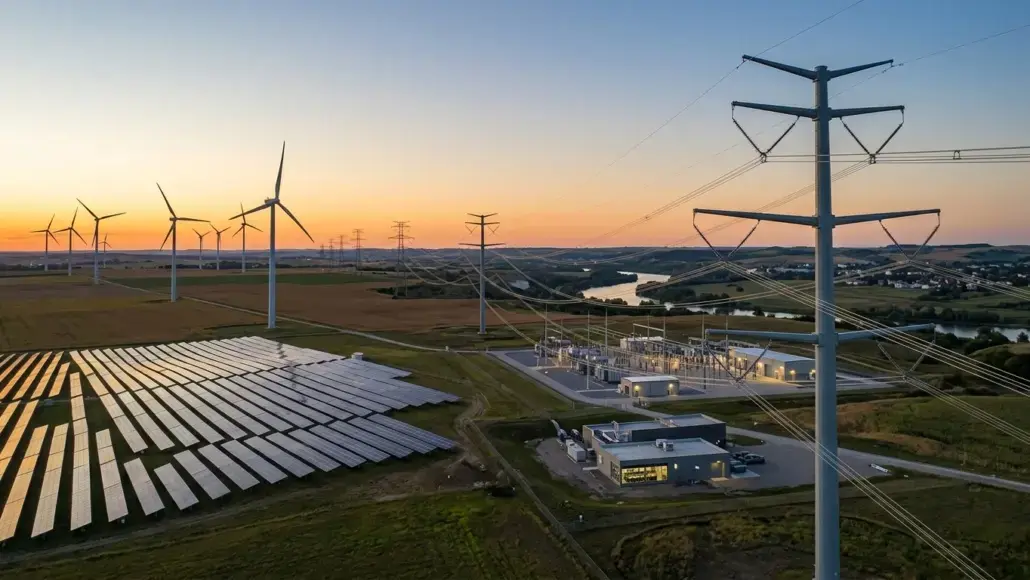

The global energy landscape is currently navigating one of its most complex shifts in history. As we move further into the decade, the pressure on existing electrical networks has intensified, driven by the dual forces of rapid electrification and the urgent need to integrate intermittent renewable energy sources. This evolution has made grid modernization for energy infrastructure not just a strategic preference but an absolute necessity for economic and environmental survival. The aging systems that served the previous century are being systematically replaced and retrofitted with advanced technologies capable of handling bidirectional power flows and fluctuating demand profiles.
For utility providers and policy makers, the objective is clear: to create a robust framework that supports the next generation of energy delivery. This transition involves more than just replacing old copper wires; it encompasses a comprehensive digital overhaul that brings intelligence to every node of the power system. By focusing on transmission upgrades and the deployment of smart grids, stakeholders are ensuring that the energy infrastructure of tomorrow is resilient enough to withstand climate-related stresses while being flexible enough to accommodate the surge in electric vehicle charging and residential solar generation.
The Strategic Importance of Utility Modernization
Modernizing the utility sector requires a multi-layered approach that prioritizes long-term reliability over short-term fixes. In the current environment, utility modernization is characterized by the implementation of Wide Area Monitoring Systems (WAMS) and the integration of Distributed Energy Resource Management Systems (DERMS). These tools allow operators to gain real-time visibility into the health of the network, predicting potential failures before they occur and optimizing the flow of electricity across vast distances. This proactive management is essential for maintaining grid stability as coal and gas plants are gradually decommissioned in favor of wind and solar farms.
The shift toward a more decentralized model means that energy infrastructure must now manage millions of smaller, distributed generation points. Traditionally, power flowed from a few large power plants to millions of consumers. Today, the grid must handle power coming from rooftops, community batteries, and industrial microgrids. This complexity necessitates a fundamental rethink of power system planning. Engineers are now utilizing sophisticated modeling software to simulate thousands of scenarios, ensuring that the infrastructure can handle extreme weather events and sudden shifts in load without compromising the integrity of the entire system.
Moreover, the human element in utility modernization cannot be overlooked. As technology advances, the workforce must also evolve. Grid operators now require a blend of traditional electrical engineering knowledge and advanced data science skills. The integration of “digital twins” virtual replicas of the physical grid allows engineers to test new configurations and stress-test the system in a risk-free environment. This convergence of the physical and digital worlds is at the heart of grid modernization for energy infrastructure, enabling a level of precision and foresight that was previously unimaginable. By training the next generation of energy professionals to work alongside these intelligent systems, we are building a more resilient and adaptable utility sector.
Transmission Upgrades and Smart Grid Integration
One of the primary bottlenecks in the current energy transition is the limited capacity of existing transmission lines. Transmission upgrades are vital for connecting remote renewable energy zones where wind and sun are most abundant to the urban centers where demand is highest. High-voltage direct current (HVDC) technology is playing an increasingly prominent role in these upgrades, offering a more efficient way to transport electricity over long distances with minimal loss. These physical improvements to the grid’s backbone are being paired with smart grids that utilize Internet of Things (IoT) sensors and advanced metering infrastructure to create a truly interactive network.
Smart grids empower both the utility and the consumer. For the provider, they offer granular data that can be used to balance the load more effectively. For the consumer, they provide the transparency needed to adjust energy consumption patterns based on real-time pricing and availability. This democratization of energy use is a key driver of grid modernization for energy infrastructure, as it encourages energy efficiency and reduces the peak demand that often leads to costly infrastructure strain. When the grid can communicate with the appliances it powers, the entire energy infrastructure becomes significantly more efficient.
Enhancing Resilience Through Reliable Power System Planning
As climate change leads to more frequent and severe weather events, the focus on resilience has never been higher. Reliable power system planning now incorporates “hardening” techniques, such as undergrounding power lines in high-risk areas and deploying self-healing technologies that can automatically reroute power around damaged sections of the grid. These innovations significantly reduce the duration and impact of power outages, protecting critical infrastructure and maintaining economic productivity. The integration of artificial intelligence in power system planning is also enabling faster response times and more accurate demand forecasting, which are crucial for managing the volatility of a renewable-heavy grid.
Furthermore, the physical security of energy infrastructure has become a paramount concern. Modern grids are being designed with redundant communication paths and enhanced cybersecurity protocols to protect against both physical and digital threats. As we transition to a more data-centric model, the vulnerability of the network to sophisticated cyber-attacks increases. Grid modernization for energy infrastructure involves the deployment of blockchain-based security and AI-driven threat detection systems that can identify and neutralize potential breaches in real-time. This layered security approach ensures that as the system becomes more interconnected and digital, it also becomes more defensible.
The global race for energy security is also driving significant cross-border collaboration in transmission upgrades. We are seeing the development of massive subsea cables connecting different continents, allowing for the sharing of renewable energy across time zones and seasons. This “Global Grid” concept is an extension of regional modernization efforts, requiring international standards and unprecedented political cooperation. By investing in these comprehensive upgrades today, we are securing a stable and sustainable energy future for the generations to come. The success of grid modernization for energy infrastructure will ultimately be measured by its ability to provide affordable, clean, and reliable power to every corner of the globe, regardless of the geographic or political challenges that may arise.
Looking toward the 2030 target, the integration of vehicle-to-grid (V2G) technology is set to become a primary focus of utility modernization. As the adoption of electric vehicles (EVs) accelerates, the millions of batteries parked in garages and parking lots represent a massive, untapped energy resource. Grid modernization for energy infrastructure will enable these vehicles to act as mobile storage units, absorbing excess power during the day and feeding it back into the grid during peak evening hours. This synergy between the transport and energy sectors will further enhance grid stability and reduce the need for expensive stationary storage. The development of standardized communication protocols between EVs and the grid is already underway, marking the next frontier in our journey toward a truly intelligent and bidirectional power system.