



























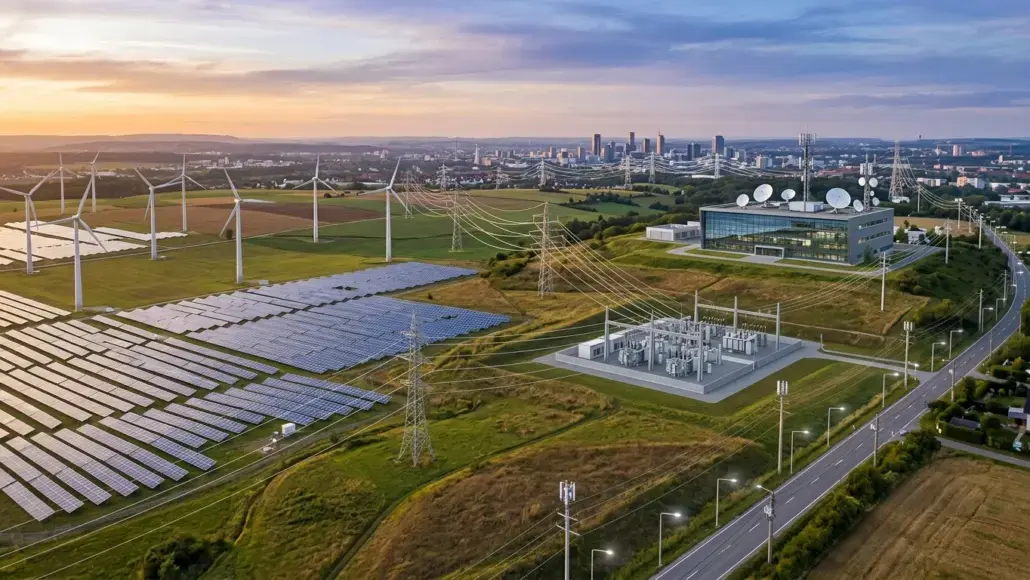

The modernization of the electrical grid has entered a new phase characterized by the pervasive integration of digital technologies. At the heart of this evolution is smart energy infrastructure efficiency, a concept that encompasses the use of advanced sensors, high-speed communication networks, and sophisticated data analytics to optimize the flow of electricity. For over a century, the power grid operated as a relatively simple, one-way system of delivery. Today, it is being transformed into a dynamic, two-way exchange of both energy and information. This shift is essential for managing the complexities of a decentralized energy landscape where millions of solar panels, wind turbines, and electric vehicles are becoming integral parts of the network.
The primary goal of these investments is to enhance grid efficiency by reducing waste and improving the utilization of existing assets. In traditional systems, a significant amount of energy is lost during transmission and distribution, and infrastructure is often overbuilt to handle rare peaks in demand. Smart energy infrastructure changes this paradigm by providing real-time visibility into every corner of the network. Through digital monitoring, utilities can identify bottlenecks, balance loads more precisely, and ensure that the grid operates at its peak performance around the clock. This not only lowers operational costs but also reduces the carbon footprint of the entire energy system by making every kilowatt-hour go further.
The Power of Digital Monitoring and Real-Time Data
The foundation of a smart grid is its ability to collect and process vast amounts of data. Digital monitoring involves the deployment of Intelligent Electronic Devices (IEDs) and phasor measurement units (PMUs) across the network. these devices provide a high-fidelity view of the grid’s health, measuring voltage, current, and frequency thousands of times per second. This level of detail allows operators to detect even the slightest anomalies that could indicate a looming failure. By catching these issues early, utilities can perform targeted maintenance, avoiding the costly and disruptive “run-to-failure” model that has plagued aging infrastructure for decades.
This data-driven approach also enables more effective demand response programs. In a smart energy infrastructure, the grid can communicate directly with smart meters in homes and businesses, encouraging consumers to shift their energy use to off-peak hours when renewable energy is most abundant. This not only improves smart energy infrastructure efficiency by smoothing out demand spikes but also empowers consumers to take control of their energy bills. The result is a more democratic and responsive energy system where the line between “producer” and “consumer” is increasingly blurred, leading to a more stable and balanced grid for everyone.
Automation Systems and the Rise of the Self-Healing Grid
One of the most exciting aspects of smart energy infrastructure is the implementation of automation systems that can respond to grid events without human intervention. Advanced Distribution Management Systems (ADMS) and Fault Location, Isolation, and Service Restoration (FLISR) technologies are the “brains” of the modern grid. When a fault occurs—such as a tree limb falling on a power line—these systems can automatically detect the location, isolate the damaged section, and reroute power through alternative paths in a matter of seconds. This “self-healing” capability dramatically reduces the duration of outages and improves the overall reliability of the service.
The benefits of automation extend to the integration of renewable energy as well. Because wind and solar are variable, the grid must constantly adjust to maintain a steady frequency. Automation systems can manage the output of distributed energy resources (DERs) in real-time, ensuring that the surge in solar power at midday or a sudden drop in wind speed does not destabilize the network. This high-speed coordination is a prerequisite for achieving smart energy infrastructure efficiency in a grid that is becoming increasingly reliant on clean but intermittent power sources. By taking the “guesswork” out of grid management, automation allows us to push the boundaries of what is possible in energy delivery.
Predictive Operations and the Integration of Artificial Intelligence
As the volume of data generated by the grid continues to grow, utilities are increasingly turning to artificial intelligence and machine learning to manage it. Predictive operations use historical data and real-time inputs to forecast everything from future energy demand to the likelihood of equipment failure during a heatwave. AI algorithms can analyze complex patterns that are invisible to human operators, providing actionable insights that improve decision-making across the entire utility. For instance, predictive models can optimize the charging schedules of electric vehicle fleets, ensuring they are powered when the grid has excess capacity and market prices are low.
The use of AI in predictive operations also enhances the security and resilience of the grid. Machine learning models can be trained to recognize the signature of a cyberattack, distinguishing between a technical glitch and a malicious intrusion. As the grid becomes more digital and interconnected, this proactive defense is vital for protecting critical infrastructure. Furthermore, AI can assist in long-term infrastructure planning, identifying the most cost-effective locations for new energy storage systems or transmission upgrades. This strategic application of technology ensures that future investments are aligned with the goal of maximizing smart energy infrastructure efficiency and providing a reliable, low-carbon energy supply.
Future Outlook for a High-Performance Grid
The journey toward a fully smart energy infrastructure is an ongoing process of innovation and adaptation. We are already seeing the emergence of 5G technology as a key enabler of grid communication, providing the low-latency and high-bandwidth connections needed for mission-critical automation. In the coming years, we can expect to see even more integration of edge computing, where data is processed locally at the transformer or substation level to enable even faster response times. The goal is to create a “grid of grids” a series of interconnected, intelligent microgrids that can operate independently if necessary, providing an unparalleled level of resilience.
Ultimately, smart energy infrastructure efficiency is the key to unlocking the full potential of the energy transition. By making our grids smarter, more automated, and more predictive, we are creating a foundation that can support 100% renewable energy while maintaining the high standards of reliability that our modern society depends on. The investments we make in digital monitoring and automation today will pay dividends for decades, resulting in a cleaner, more efficient, and more secure energy future for all. As we continue to refine these technologies, the vision of a truly high-performance grid is moving from a blueprint to a reality.