






































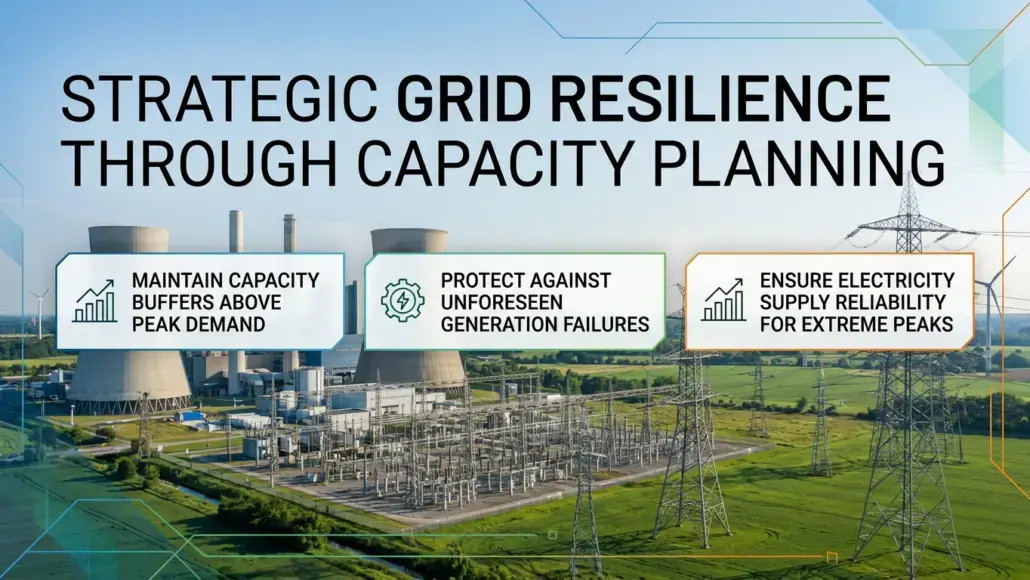

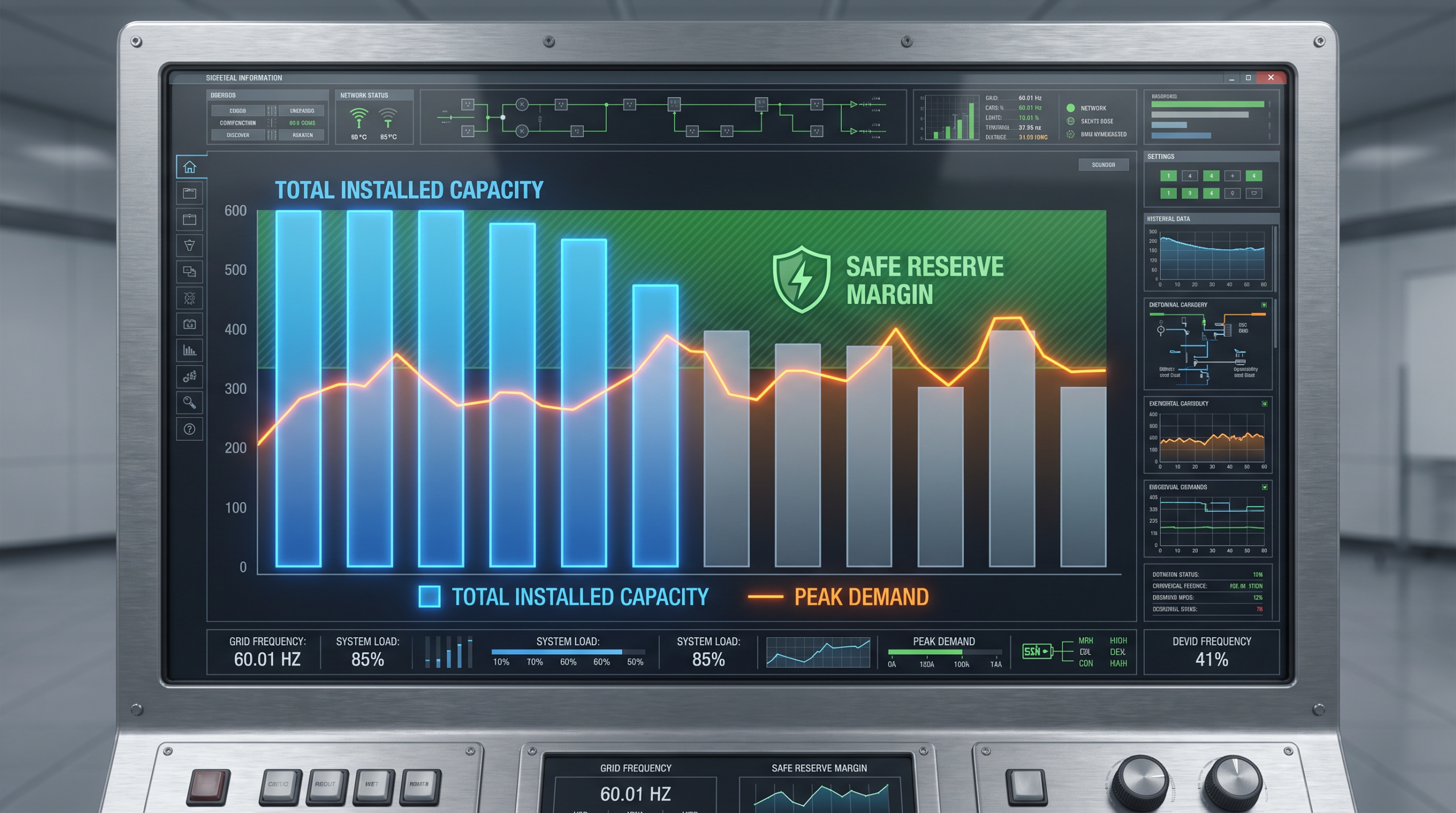
The primary objective of any power system operator is to ensure that electricity supply always meets demand, even during the most extreme peaks. Reserve margin planning is the critical process of maintaining an extra buffer of generation capacity beyond what is expected for peak consumption. This safety margin is essential for protecting the grid against unforeseen events, such as a large power plant tripping offline or a sudden spike in demand during an extreme weather event. By establishing a target reserve margin, utility companies ensure that there is enough firm capacity available to maintain system stability. This process involves complex statistical modeling that accounts for the performance of assets.
A healthy reserve margin provides the necessary breathing room for maintenance and unexpected repairs. Power plants require regular servicing to ensure their long-term reliability, and this work must often be scheduled months or years in advance. Without a sufficient buffer of capacity, grid operators would be forced to delay critical maintenance, increasing the risk of catastrophic failure during high-demand periods. Reserve margin planning allows for a coordinated approach to asset management, ensuring that enough generation is always available to cover the load while other units are undergoing repairs. This systematic approach to reliability is what enables modern industrial societies to function with the high levels of power quality and availability that are now expected as a standard.
The calculation of the required reserve margin is becoming more complex as the grid incorporates more variable renewable energy. Wind and solar do not have the same capacity credit as traditional thermal or hydro plants because their output is dependent on the weather. Planners must use sophisticated studies to determine how much traditional firm capacity is needed to back up these variable sources. This requires a deep understanding of the correlations between different weather patterns and electricity demand. The shift toward a carbon-free grid is making the role of meticulous planning even more critical for ensuring that the lights stay on during the coldest nights and hottest days of the year.
The Economic Implications of Capacity Markets and Planning Targets
Maintaining a reserve margin is not just a technical challenge; it is also an economic one. Building and maintaining power plants that may only run for a few hours a year is expensive. To ensure that this critical capacity is available when needed, many regions have established capacity markets. These markets provide payments to generators simply for being available, ensuring that they can recover their fixed costs even if they do not sell much energy in the wholesale market. Reserve margin planning provides the data and targets that drive these capacity auctions, setting the price and volume of the insurance that the grid requires. This economic mechanism is essential for attracting the investment needed to build the next generation of reliable power assets.
The cost of a blackout far exceeds the cost of maintaining a safe reserve margin. For large industrial users, even a few minutes of power interruption can lead to significant losses. By ensuring a reliable power supply through strategic planning, utilities are providing a critical service. However, planners must also be careful not to over-build, as the costs of excess capacity are ultimately passed on to consumers. Striking the right balance between reliability and affordability is the central challenge of modern utility regulation. This requires a transparent and evidence-based planning process that involves all stakeholders, from generators to consumer advocates.
- Capacity Credit: The fraction of an asset’s total capacity that can be reliably counted on during peak demand.
- Firm Capacity: Generation resources that are available for dispatch at the request of grid operators.
- Peak Load Forecasting: Predicting the highest level of electricity demand expected during a specific period.
- Maintenance Scheduling: Coordinating plant outages to ensure that enough capacity remains available for the grid.
- Regional Adequacy: Assessing the ability of a specific geographic area to meet its own peak demand.
Integrating Demand-Side Management into Reliability Planning
While much of the focus of reliability planning is on the supply side, demand-side management is playing an increasingly important role. By incentivizing consumers to reduce their electricity usage during peak periods, utilities can effectively increase their reserve margin without building new power plants. This can be achieved through time-of-use pricing, direct load control of appliances, or payments to large industrial users for curtailable load. These demand-side resources are often cheaper and faster to deploy than new generation assets, making them a key component of a modern reliability strategy. Integrating these resources into the planning process requires new tools and a better understanding of consumer behavior.
The rise of the “prosumer”, consumers who also generate their own power, is also changing the planning sector. Rooftop solar and home battery systems can reduce the peak demand seen by the grid, effectively increasing the available reserve margin. However, these resources are often behind the meter, meaning grid operators have less visibility and control over them. Advanced metering infrastructure and smart grid technologies are being deployed to bridge this gap, allowing for better coordination between centralized and decentralized resources. The goal is to create a more flexible and responsive system that can utilize all available tools to maintain reliability during peak periods.
Technical standards and grid codes are also evolving to account for these new resources. For example, standards for smart inverters are being developed to ensure that distributed solar systems can contribute to grid stability during disturbances. This level of technical coordination is necessary to ensure that a decentralized grid can provide the same level of reliability as the traditional centralized model. By embracing the potential of both supply-side and demand-side resources, planners can build a more resilient and efficient power system that is better prepared for the challenges of the future. The integration of ancillary service markets into this framework further enhances the ability of grid operators to manage real-time imbalances and maintain system integrity.
Assessing the Impact of Extreme Weather on System Adequacy
Climate change is fundamentally altering the risk profile of the power sector. Extreme heatwaves, prolonged droughts, and severe winter storms are becoming more frequent and intense, placing new stresses on generation and infrastructure. Traditional planning models that rely on historical weather data may no longer be sufficient for predicting future risks. Planners are now incorporating forward-looking climate projections into their adequacy assessments to ensure that the grid is prepared for a wider range of extreme scenarios. This involves simulating the impact of multi-day periods of low wind and solar output, combined with record-breaking demand.
The resilience of the fuel supply chain is another critical factor. During extreme winter storms, natural gas demand for heating can spike, leading to fuel shortages for gas-fired power plants. Similarly, prolonged droughts can reduce the availability of cooling water for thermal plants or reduce hydroelectric production. Meticulous planning must account for these interconnected risks and ensure that the grid has a diverse mix of fuels and storage options. This might include maintaining strategic reserves of oil or coal, investing in long-duration energy storage, or building more interconnections with neighboring grids. The goal is to ensure that the system can withstand a perfect storm of multiple simultaneous failures.
Physical hardening of infrastructure is becoming a priority. This includes everything from winterizing natural gas pipelines and power plants to reinforcing transmission towers against high winds. These investments in resilience are essential for protecting the public from the impacts of widespread power outages. By combining physical hardening with strategic capacity planning, utilities can create a multi-layered defense against the growing threats of a changing climate. The proactive management of these risks is the hallmark of a forward-thinking and responsible power utility.
Technological Advancements in Adequacy Modeling and Forecasting
The tools used for reliability planning are undergoing a major transformation. Artificial intelligence and machine learning are being used to develop more accurate demand forecasts that account for a wider variety of factors, including weather, economic activity, and consumer behavior. These advanced models can process vast amounts of data in real-time, providing planners with much earlier warnings of potential capacity shortages. Similarly, sophisticated simulation tools are being used to model the performance of a grid with a high penetration of variable renewables. These simulations can identify potential stability issues and help to determine the optimal mix of firm and flexible resources.
Cloud computing is also enabling more granular and frequent adequacy assessments. In the past, these studies were often performed once a year and took months to complete. Today, planners can run hundreds of different scenarios in parallel, allowing for a much deeper understanding of the risks and uncertainties facing the grid. This level of technical sophistication is necessary to manage a system that is becoming more dynamic and complex. By leveraging the power of modern computing, the power industry is building the foundation for a more reliable and efficient energy future. The combination of better data, better models, and better computers is the key to ensuring that the grid is always prepared for the challenges ahead.
Reserve margin planning is the most important tool for ensuring the reliability and security of our electricity supply. By maintaining a safe buffer of capacity, we can protect the grid against the unforeseen and ensure that the lights stay on during the most challenging periods. This requires a coordinated effort between engineers and policymakers, as well as a commitment to ongoing investment. As the energy sector continues to evolve, our approach to reliability must also adapt. By embracing the potential of new technologies and better planning practices, we can build a power system that is stronger, smarter, and more resilient than ever before.