

























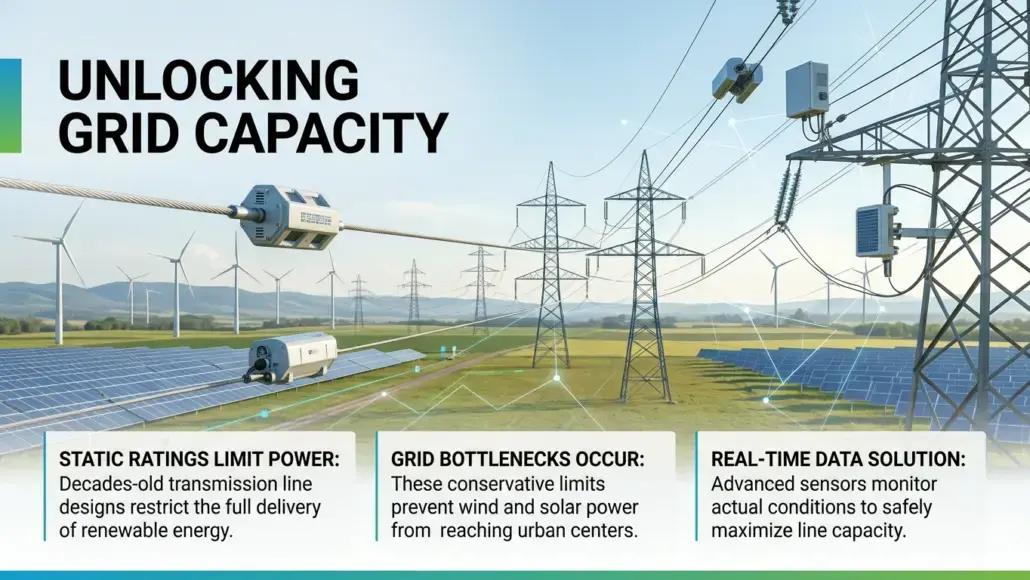

The global expansion of renewable energy is placing unprecedented stress on aging transmission networks. Many power lines were designed decades ago using conservative static ratings based on worst-case weather scenarios, such as high ambient temperatures and low wind speeds. These static limits often lead to artificial bottlenecks, preventing the full export of power from wind and solar farms to urban centers. Dynamic line rating offers a sophisticated solution to this challenge by utilizing real-time data to calculate the actual capacity of a power line based on current atmospheric conditions. By measuring variables such as wind speed, air temperature, and solar radiation, grid operators can safely increase the amount of electricity flowing through existing conductors without risking thermal damage or dangerous line sag.
This technology is particularly valuable in regions where building new transmission corridors is difficult due to environmental regulations or public opposition. The ability to squeeze more capacity out of current assets is a cost-effective way to reduce grid congestion and minimize the curtailment of renewable energy. As weather patterns become more volatile, the reliance on static assumptions is increasingly seen as a liability for grid stability. Implementing dynamic line rating allows for a more responsive and intelligent transmission network that can adapt to changing environmental factors in real-time. This shift from reactive to proactive grid management is essential for meeting aggressive decarbonization targets while maintaining a reliable electricity supply for all consumers.
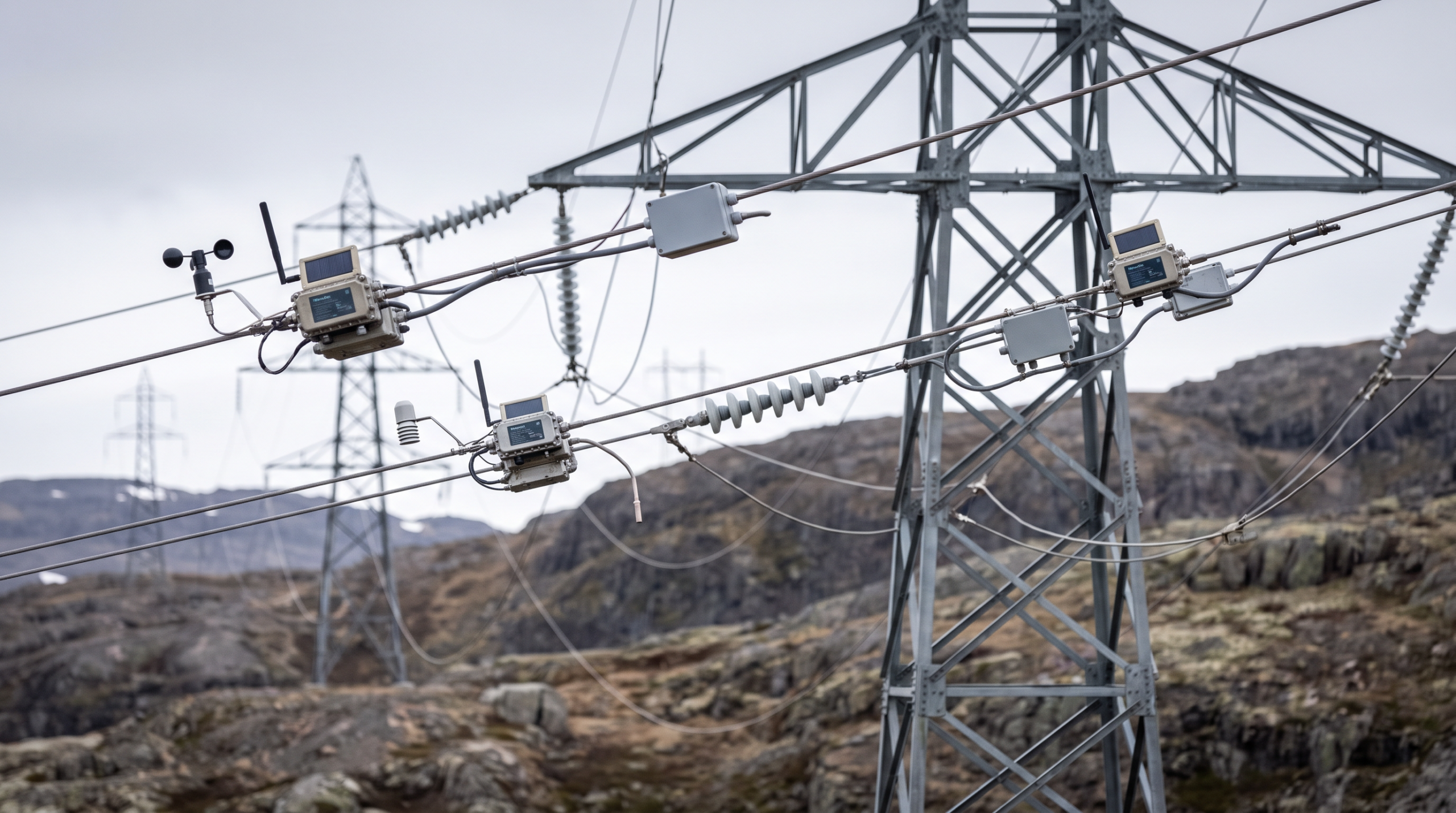
The installation of specialized sensors on transmission towers and conductors is the first step in this optimization process. These devices collect high-fidelity data that is transmitted back to central control systems for analysis. The resulting insights provide a much clearer picture of the thermal state of the network. This granular visibility enables operators to make informed decisions about dispatching generation and managing congestion. The adoption of dynamic line rating is not just about increasing capacity; it is about building a more resilient and transparent power system that can handle the complexities of a modern, multi-directional energy flow.
The Role of Atmospheric Sensors and Real-Time Data Analytics
At the heart of any dynamic line rating system is a network of weather stations and conductor sensors. These tools provide the raw data necessary to calculate the convective cooling effect of the wind, which is the primary factor in determining how much current a line can carry. Even a slight breeze can significantly increase the thermal capacity of a conductor by dissipating heat more efficiently. By integrating this wind data with ambient temperature readings, grid operators can often identify capacity gains of 10 to 30 percent during periods of high wind production. This synergy ensures that wind energy is not wasted simply because the transmission system is operating under outdated static assumptions.
Advanced analytics platforms process these data streams to provide predictive insights into line capacity. By combining historical data with short-term weather forecasts, operators can anticipate congestion before it occurs. This foresight allows for more efficient scheduling of generation assets and reduces the need for expensive redispatching measures. The integration of machine learning algorithms further enhances the accuracy of these ratings by accounting for local microclimates and topographical effects that influence wind patterns around transmission lines. This level of technical sophistication is necessary to manage a grid that is increasingly dependent on weather-sensitive generation sources.
- Conductor Tension Monitoring: Measuring physical changes in the line to detect sag and temperature.
- Weather Station Integration: Collecting wind, temperature, and solar data along the transmission route.
- Thermal Modeling: Using mathematical algorithms to calculate real-time capacity based on sensor inputs.
- Short-Term Forecasting: Predicting line capacity for the next 24 to 48 hours to optimize market operations.
- Communication Gateways: Ensuring secure and low-latency transmission of sensor data to the control center.
Enhancing Grid Resilience and Reducing Operational Costs
Dynamic line rating is a powerful tool for improving the overall resilience of the power grid. By providing a real-time view of line health, operators can identify potential issues before they lead to failures. For example, excessive heat detected on a specific segment could indicate an underlying problem with a conductor or a connector. Early detection allows for targeted maintenance, reducing the risk of unplanned outages and extending the life of critical transmission assets. This proactive approach to asset management is essential for maintaining high levels of system reliability in an era of increasing electrical demand and climatic stress.
The economic benefits of this technology are equally compelling. By reducing grid congestion, dynamic line rating helps to lower the total cost of electricity for consumers. Congestion often forces grid operators to use more expensive, local generation sources because cheaper renewable power cannot reach the demand centers. By opening up more transmission capacity, the system can utilize the lowest-cost generation available, leading to significant savings in market settlement costs. Additionally, the deferral of expensive capital projects for new transmission lines provides substantial financial relief for utilities and their ratepayers.
Strategic investments in grid optimization technologies are becoming a priority for regulatory bodies and utility commissions. These organizations recognize that the transition to a clean energy future requires a more flexible and efficient transmission network. Policies are being developed to encourage the adoption of grid-enhancing technologies like dynamic line rating. By rewarding utilities for improving the efficiency of their existing assets, regulators are fostering an environment of innovation that benefits both the industry and the public. The shift toward a more intelligent grid is a collaborative effort that involves engineers, policymakers, and market participants.
Integrating Transmission Efficiency with Generation Planning
The effectiveness of transmission optimization is closely linked to how generation assets are planned and operated. For instance, generation portfolio diversification ensures that the grid is not overly dependent on a single energy source, which helps in managing the variable flows that dynamic line rating is designed to accommodate. When a variety of power sources are available, the transmission system can be utilized more effectively across different weather conditions. This integrated approach to planning is crucial for maximizing the value of both generation and transmission investments. By aligning these two critical components, utilities can create a more stable and cost-effective energy system.
Communication between transmission and distribution operators is also vital for the success of these initiatives. As more distributed energy resources are connected to the grid, the complexity of managing power flows increases. Dynamic line rating provides the necessary visibility to ensure that these resources can be integrated safely and efficiently. This coordination requires advanced software platforms that can handle massive amounts of data and provide actionable insights in real-time. The development of these digital tools is a major focus for the power industry as it seeks to modernize its operations for the 21st century.
Technical training for grid operators is another essential factor. Managing a grid with dynamic ratings requires a different skill set than traditional operations. Operators must be comfortable working with real-time data and sophisticated analytical tools. Ongoing education and simulation-based training are necessary to ensure that the workforce is prepared for the challenges of a smart grid. By investing in its people, the power industry is building the foundation for a more innovative and resilient future. The transition to a more dynamic and intelligent transmission system is as much about human capital as it is about hardware and software.
Future Perspectives on Autonomous Grid Management
Looking ahead, the role of dynamic line rating will likely expand into more autonomous grid management systems. As the number of sensors and data points increases, human operators will need AI-driven assistance to process information and make split-second decisions. These autonomous systems could automatically adjust line ratings and dispatch generation based on real-time conditions, further improving the efficiency and reliability of the network. This evolution toward a self-healing and self-optimizing grid is the ultimate goal of many grid modernization programs. The foundation for this future is being laid today through the deployment of advanced sensing and monitoring technologies.
The global energy transition is a complex and multi-faceted challenge that requires a diverse set of solutions. Dynamic line rating is a critical component of this effort, providing a way to enhance the capacity and flexibility of existing transmission networks. By embracing this technology, the power industry can accelerate the integration of renewable energy and build a more sustainable future. The success of these initiatives will depend on continued innovation, supportive regulatory frameworks, and a commitment to operational excellence. As we move forward, the intelligence of our transmission system will be just as important as the power it carries.
The adoption of advanced monitoring systems is transforming the way we think about transmission capacity. We are moving away from conservative, static limits toward a more dynamic and data-driven approach that reflects the actual physical state of the grid. This shift is essential for optimizing our energy infrastructure and meeting the demands of a changing world. For grid operators and utility executives, the message is clear: the future of transmission lies in the ability to see and respond to the environment in real-time. By leveraging the power of data, we can create a grid that is stronger, smarter, and more efficient than ever before.