





















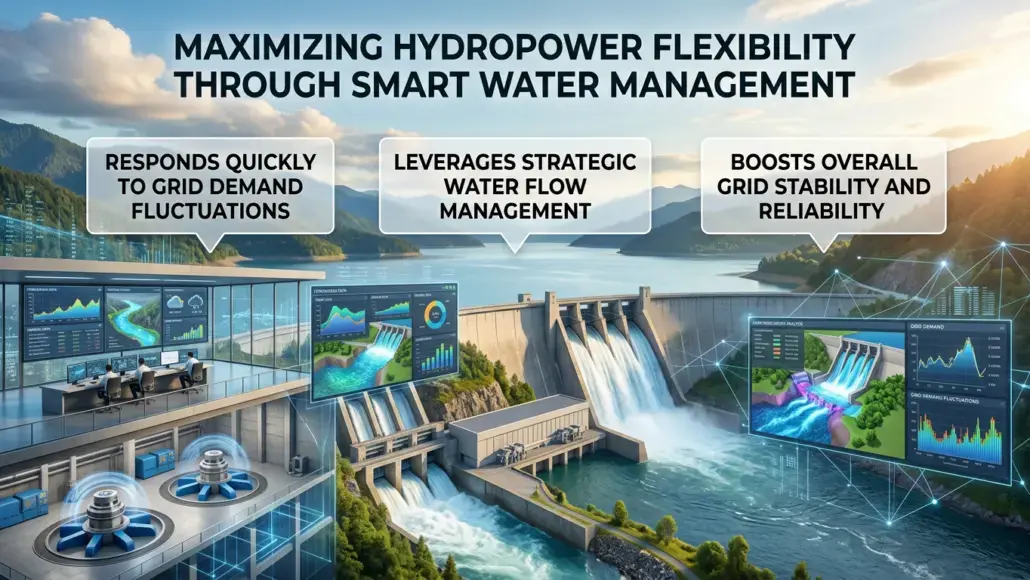

Hydropower has long been a cornerstone of reliable and flexible power generation. Unlike thermal plants that require significant time to ramp up, hydroelectric units can respond to grid demands within minutes or even seconds. However, the efficiency and flexibility of these assets are increasingly dependent on sophisticated hydro reservoir optimization techniques. This process involves the strategic management of water levels and flow rates to maximize power production while meeting environmental, agricultural, and industrial requirements. By utilizing real-time data and advanced predictive models, plant operators can ensure that every cubic meter of water is used to its maximum potential, providing the essential flexibility needed to balance a grid with high levels of variable renewable energy.
The importance of this optimization is magnified by the changing climate and the resulting shifts in hydrological patterns. Prolonged droughts and intense precipitation events are making traditional “rule curves” for reservoir management less effective. Modern optimization platforms integrate long-term weather forecasts and satellite-based snowpack monitoring to provide a more accurate picture of future water availability. This foresight allows operators to conserve water during wet periods and release it strategically during times of peak demand or low renewable production. The result is a more resilient and sustainable power system that can adapt to the growing variability of both supply and demand.
The role of hydropower is shifting from baseload generation to a more flexible, load-following role. As wind and solar continue to expand, the grid requires more assets that can quickly “fill the gaps” when these variable sources drop off. Hydro reservoir optimization provides the technical framework for this transition, allowing plants to modulation their output with high precision. This capability is particularly valuable for providing ancillary services, such as frequency regulation and spinning reserves, which are becoming increasingly profitable in modern energy markets. The strategic management of water resources is thus a critical component of both grid stability and the financial viability of hydropower assets.
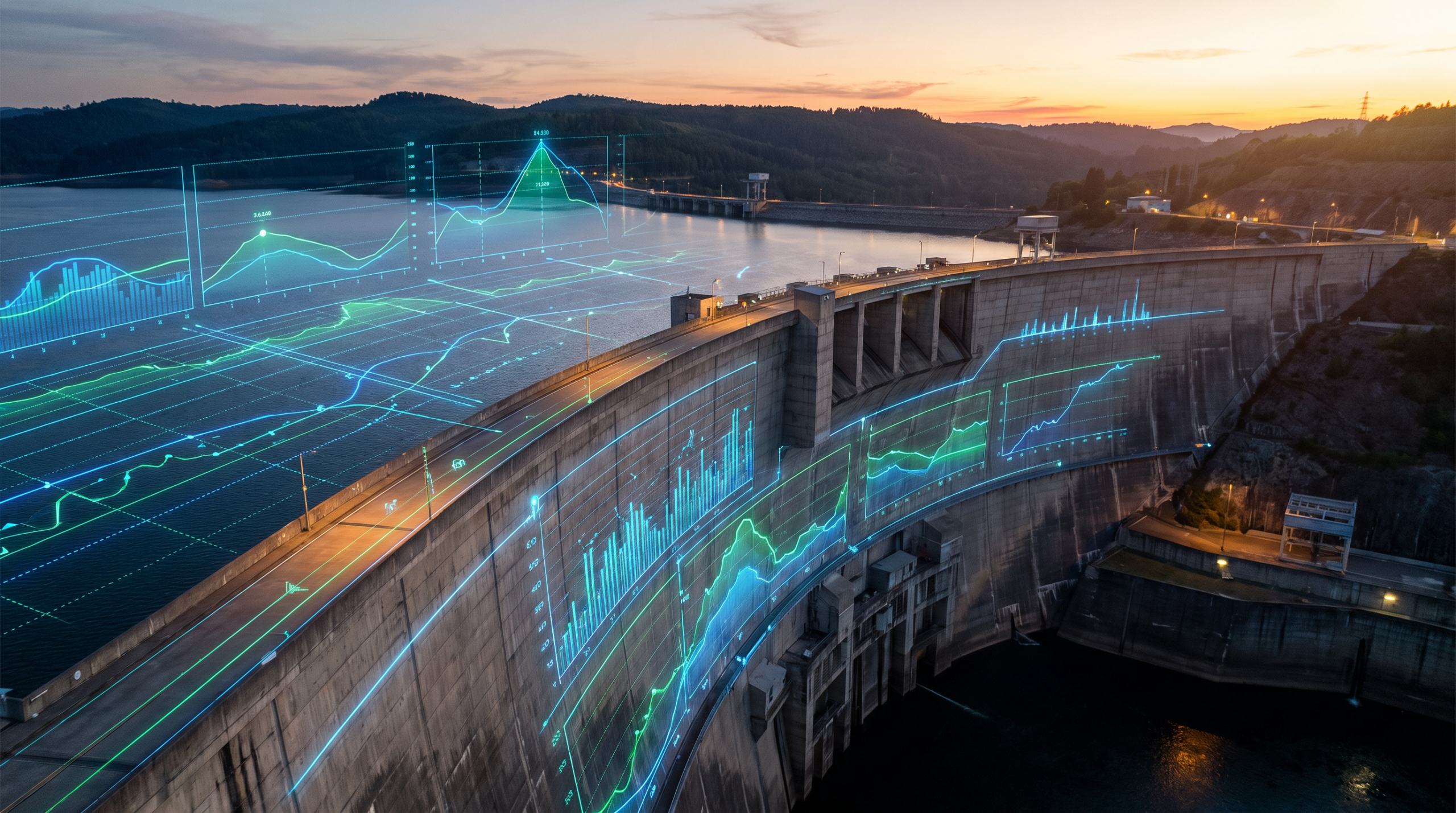
The Integration of Multi-Objective Optimization Models
Managing a large hydro reservoir is a complex balancing act that involves multiple competing objectives. In addition to power generation, operators must consider flood control, irrigation needs, navigation, and ecological protection. Hydro reservoir optimization uses multi-objective mathematical models to find the optimal trade-off between these various goals. These models can simulate thousands of different operating scenarios to identify the strategies that provide the greatest overall benefit to society. The adoption of these sophisticated tools is essential for maintaining the “social license” of large-scale hydropower projects in an increasingly environmentally conscious world.
Real-time monitoring of downstream conditions is also a vital component of the optimization process. Sensors placed along the river network provide data on water levels, temperature, and dissolved oxygen, ensuring that power generation does not negatively impact aquatic ecosystems. This data is fed back into the optimization models, allowing for instantaneous adjustments to flow rates. This level of technical coordination ensures that hydropower remains a truly sustainable and responsible energy source. The integration of environmental data into operational decision-making is a major focus for the industry as it seeks to modernize its practices and meet the highest standards of corporate responsibility.
- Inflow Forecasting: Utilizing meteorological data to predict the volume of water entering the reservoir.
- Spillage Management: Minimizing the release of water that does not pass through the turbines to maximize efficiency.
- Head Optimization: Managing reservoir levels to maintain the highest possible water pressure for generation.
- Cascaded System Coordination: Synchronizing the operation of multiple dams along a single river system.
- Environmental Flow Compliance: Ensuring that downstream ecosystems receive a sufficient and consistent supply of water.
Digital Twins and the Future of Hydropower Operations
The development of digital twins is transforming the way hydropower assets are managed. A digital twin is a high-fidelity virtual representation of the physical plant and its surrounding environment. By feeding real-time data from sensors into these models, operators can simulate the performance of the plant under a wide range of conditions. This allows for the optimization of maintenance schedules and the early detection of potential equipment failures. For example, a digital twin can predict the wear and tear on a turbine caused by frequent ramping, allowing for more precise life-cycle management. This data-driven approach is essential for maximizing the availability and reliability of critical hydro assets.
Cybersecurity is also a top priority for modern hydropower operations. As plants become more connected to external data sources and control systems, the risk of cyber threats increases. Advanced security protocols, including encrypted communications and multi-factor authentication, must be implemented to protect the integrity of the optimization platforms. Ensuring the security of the power asset is a prerequisite for participating in the digital energy economy. This requires a coordinated effort between IT and OT (operational technology) teams to build a resilient and secure technological foundation. The protection of critical infrastructure is a national security priority in many regions, and the hydropower sector is at the forefront of these efforts.
The use of cloud-based platforms is also enabling more collaborative and efficient optimization. By moving data and models to the cloud, utilities can share insights across their entire fleet and collaborate with external partners, such as weather services and research institutions. This centralized approach allows for more frequent and granular optimization runs, leading to better decision-making and improved performance. The combination of local sensing and cloud-based analytics is the hallmark of a modern, intelligent power generation company. This digital transformation is enabling hydropower to play a more central and flexible role in the global energy system.
Synergy with Other Renewable Energy Technologies
The flexibility provided by hydro reservoir optimization is a perfect complement to other renewable energy technologies. For example, the use of dynamic line rating allows for the more efficient transmission of both wind and hydro power, reducing grid congestion and maximizing the use of clean energy. When these two technologies are integrated, the grid can handle even higher levels of variable renewables without sacrificing reliability. This synergy is essential for building a truly sustainable and resilient energy future. The coordination of different generation and transmission assets is a major challenge, but the benefits in terms of carbon reduction and cost-efficiency are substantial.
Pumped storage hydropower is another critical technology for grid flexibility. By using excess solar or wind energy to pump water to an upper reservoir, these plants can act as giant batteries. Hydro reservoir optimization is used to determine the most profitable times to pump and generate, taking into account market prices and grid needs. This capability is essential for managing the long-duration energy storage needs of a carbon-free grid. The development of new pumped storage projects is a priority in many regions as they seek to build a more flexible and reliable energy system. These projects provide a long-term and sustainable solution to the challenges of energy storage.
Additionally, the integration of distributed energy resources is adding a new layer of complexity to hydropower management. Small-scale hydro projects and community-based energy systems can contribute to local grid stability, but they require careful coordination with larger assets. Hydro reservoir optimization provides the framework for this integration, ensuring that all resources are used effectively. This requires advanced communication and control systems that can handle a massive number of data points. The transition to a more decentralized and intelligent grid is a major focus for the industry as it seeks to modernize its operations for the 21st century.
Long-Term Sustainability and Asset Management
The long-term sustainability of hydropower depends on the effective management of its physical and natural assets. This involves continuous investment in sediment management, turbine upgrades, and dam safety inspections. Hydro reservoir optimization plays a role in this process by providing the data and insights needed to prioritize these investments. By understanding the exact state of their assets, utilities can make informed decisions about life-extension projects and modernization efforts. This proactive approach to asset management is essential for ensuring that hydropower remains a reliable and sustainable source of power for generations to come.
International cooperation is also vital for the sustainable management of transboundary river systems. Many of the world’s largest hydro reservoirs are located on rivers that cross international borders, requiring coordination between multiple countries. Optimization models can help to facilitate this cooperation by providing a transparent and evidence-based framework for water sharing. This requires a high level of trust and political commitment, but the benefits in terms of regional stability and energy security are enormous. The development of international agreements and institutions for river basin management is a major focus for the global energy community.
Hydro reservoir optimization is the key to realizing the full potential of hydropower as a flexible and sustainable energy source. By embracing the power of data and advanced analytics, we can build a more resilient and efficient grid that is better prepared for the challenges of the energy transition. This requires a coordinated effort between engineers, environmentalists, and policymakers, as well as a commitment to ongoing innovation. As we move forward, the intelligence of our water management will be just as important as the power it generates. By building a system that is both flexible and sustainable, we can ensure that we have the power we need to thrive in a changing world.