



























The global market for Distribution Transformers is projected to reach US$49.4 billion by the year 2033.
The global distribution transformers market is about to enter a phase of transformative growth, with its value expanding from $27.5 billion in 2023 to an impressive $49.4 billion by 2033, reflecting a healthy compound annual growth rate (CAGR) of 6% during the same period. This phenomenal growth highlights the increasing need for effective distribution systems which is fueled by urbanization, industrialization, technological development in smart grid and expansion of renewable energy resources.
Distribution transformers, as all crucial electrical appliances in the contemporary power systems, allow for the secure and effective conveyance of electrical energy from high-voltage transfer networks to the final customer. As the global scenario is shifting to an electrified and reliable energy system, these transformers are playing a mandatory role to stabilize the power supply to industries, businesses, and home.
Urbanization and Industrialization: Foundations of Market Growth
The growth of the distribution transformers market is also on account of the significant rise in urbanization and industrialization globally. Increasing cities and industrial production raise the demand for power distribution systems that are reliable and cost-effective. At the core of this system lie distribution transformers, which play a vital role in ensuring that electricity is transmitted efficiently from substations to residential and commercial customers.
By 2030, more than 60% of the global population is expected to live in urban areas, up from 56% in 2020, according to the United Nations. Paired with increasing energy utilization, where industries represent one of the largest shares in worldwide electrical power demand. As a consequence, the demand for both high-performance transformer technology to cope with higher loads and active downtime losses to a minimum must increase.
The Renewable Energy Boom: A Turning Point
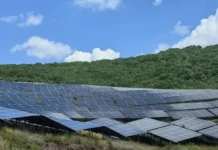
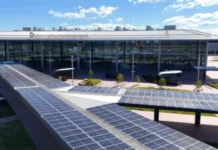
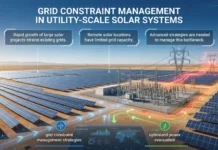
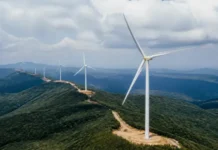
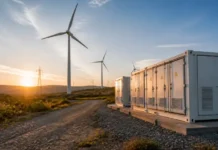
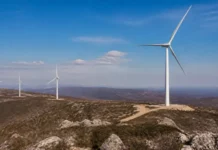
Another important driver of the future of the distribution transformers market is the global trend to heat with renewable energy. Solar, wind, and other renewables are also becoming more widespread as governments and companies work to cut carbon emissions and rewrite new energy systems. But given the intermittent nature of renewable energy generation, power grids face challenges in integrating them, with distribution transformers needing to be flexible to maintain voltage levels and manage variable outputs.
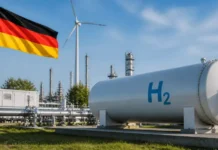
For example, nations, such as Germany, whose “Energiewende” (energy transition) program is being pursued more aggressively than ours, are injecting renewable energy into their grids through the use of advanced transformers. This is a trend that’s being repeated, globally, as renewable energy capacity additions reached close to 295 GW in 2023 — a sign that we are becoming more and more reliant on them. In fact, distribution transformers tailored for integrating renewable energy sources are fast becoming critical technology facilitators for this energy transition.
Technological Advancements – The Age of Smart Transformer
Rapid adoption of advanced technologies is the fundamental driver for the evolution of smart distribution transformers market. Smart transformers with a type of smart technology like ime IoT-enabled sensors and real-time monitoring are also growing in popularity owing to benefits like operational efficiency and reliability. Such innovations enable predictive maintenance, energy optimization, and fault detection, minimizing downtime and extending the longevity of power distribution systems.
Another driver of growth in bidirectional communication between power plants, transformers, and consumers is the smart grid. Digital solutions embedded into smart grids improve electricity sustainability and efficiency. With increasing investments in smart grid infrastructure by utilities, the need for advanced transformers that can support these systems is likely to increase significantly.
Environmental Considerations and Sustainability
The schedule for climate protection and environmental management worldwide is impacting the circle of layout and production for distribution transformers. Electrical transformers play a crucial role in this process, and manufacturers are focusing on developing energy-efficient components that are capable of limiting lost power consumption and minimizing their ecological footprints. Emerging technologies like bio-based transformer oils & sustainability materials are also coming into play and are driving new business opportunities with customers who are increasingly assessing and evaluating their climate impact across their entire value chain.
In the upcoming years, one of the trends that will shape the market is the implementation of environmentally friendly transformers with longer lifespans and low maintenance needs. They improve grid services and meet regulatory requirements designed to foster energy efficiency and pollution abatement.
Challenges Facing the Market
The distribution transformers market also faces several challenges that may hinder its growth potential, despite this positive outlook. Ageing power infrastructure in developed economies is a major impediment, requiring enormous capital outlay to upgrade and replace. In the United States and parts of Europe, obsolete systems of distribution need to be upgraded to handle rising energy demands and incorporate new technologies.
The cost of installation and maintenance remains a barrier, especially in developing regions where financial resources for completing state of the art infrastructure projects might be restricted. Even the integration of smart technologies into existing grids can be complicated and expensive, requiring a lot of technical skills and financial resources.
Manufacturers are also grappling with supply chain disruptions and volatile prices of raw materials. Materials like copper and steel, critical to transformer manufacturing, face price volatility and international supply pressures that could delay production schedules and raise costs.
Regional Intelligence: Making Sense of Global Disruptions
Distribution transformers market growth is unevenly distributed across different regions as activity is concentrated in areas at the intersection of policy, innovation, and investment.
North America: Investments in grid modernization and renewable energy integration are increasing in the U.S. and Canada. Regional demand for advanced transformers is being driven by policies such as the Inflation Reduction Act of 2022 which aims to spur electrification projects with tax incentives.
Europe Progressive on climate: Europe has been leading the way with sustainable energy solutions. Other countries, like Germany, Sweden and the Netherlands (often among the best-performing in climate progress) are focused on electrification of energy-intensive industries and growing their renewable energy infrastructure.
Asia-Pacific: China and India are witnessing rapid industrialization and urbanization, positioning Asia-Pacific as a significant growth market for distribution transformers. Desperate to meet its carbon neutrality targets by 2060, China, the largest energy consumer in the world, is pouring money into renewable energy and grid enhancements.
Future Outlook: $49.4 Billion Industry by 2033
The global distribution transformers market is anticipated to proceed into a transformative decade, which is related to make the worth of the market to achieve an estimation of $49.4 billion by the end of 2033. This expansion underscores the growing proliferation of effective power distribution systems that accompany a globally electrified and sustainable future.
Utilities will continue to adopt innovative solutions, driven in part by technological advances in smart transformers and digital grid technology that allow for improved reliability and optimized energy utilization. On the other hand, the transition to sustainable and renewable energy will open up new markets for both manufacturers and investors.
Finally, with the growing energy demand and cutting-edge advancements in distributed energy generation, evolving distribution transformers are crucial to maintaining reliability on a global scale. As industries and governments increasingly prioritize electrification and sustainability initiatives, demand for advanced power distribution solutions will continue to rise. The market is essential to the global shift towards a cleaner, more efficient energy future, with strong growth expected thanks to a focus on innovation.