







Close
MCE 2026
World Hydrogen & Carbon Americas

Energising deltas

Note* - All images used are for editorial and illustrative purposes only and may not originate from the original news provider or associated company.

Subscribe

- Never miss a story with notifications

- Gain full access to our premium content

- Browse free from any location or device.

Media Packs

Expand Your Reach With Our Customized Solutions Empowering Your Campaigns To Maximize Your Reach & Drive Real Results!

– Access the Media Pack Now

– Book a Conference Call

Leave Message for Us to Get Back

Related stories

Financing Models Driving Hydrogen and Carbon Power Projects

The massive scale of the energy transition requires innovative financial structures that can bridge the gap between technological potential and industrial reality. By examining the evolution of project finance, the role of public-private partnerships, and the rise of sustainable investment criteria, we can understand the mechanisms that are de-risking and accelerating the deployment of next-generation hydrogen and carbon capture infrastructure.

Carbon Pricing and Its Long-Term Impact on Power Generation Economics

The implementation of robust carbon pricing mechanisms is fundamentally altering the financial landscape of the energy sector. By internalizing the environmental costs of emissions, these policies are shifting the competitive advantage from fossil fuels to low-carbon alternatives, reshaping investment strategies, and redefining the long-term economic viability of power generation technologies globally.

Regional Power Markets Preparing for Hydrogen Integration

The global energy transition is moving beyond national borders as interconnected power markets prepare for the widespread integration of molecular energy carriers. This analysis explores the regulatory shifts, market redesigns, and infrastructure coordination required to harmonize the role of hydrogen within regional electricity grids, ensuring a stable and cost-effective path to decarbonisation.
- Advertisement -

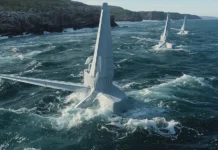
Energising deltas (Energiedijken in Dutch) combines sustainable energy generation with water safety and water management into an innovative export product.

Facts

– New Dutch innovative product

– Water safety and management combined with sustainable energy production

– Potential export product for Deltas world-wide

– Building on the cutting edge knowledge concerning the construction and development of water safety, water management and sustainable technologies

Three companies (Tocardo, REDstack, Strukton) are closely collaborating with three research organisations (Deltares, ECN, EUR) to gain knowledge about optimising energy production while minimising environmental impact. Together with Tidal Testing Centre for coordination and Energy Valley Foundation for national and international positioning this project will give the Dutch trade and industry a head start on the world market.

The Afsluitdijk, the Brouwersdam, the Grevelingendam and the Oosterscheldekering are water defences in which this innovative energy-from-water technology will be applied. A significant contribution to sustainable energy production can be achieved by constructing tidal energy (energy from tidal flows with water turbines) and blue energy (osmosis energy from fresh and salt water) systems in levees, dams and storm surge barriers.

Latest stories

Previous article
Next article

Related stories

Financing Models Driving Hydrogen and Carbon Power Projects

The massive scale of the energy transition requires innovative financial structures that can bridge the gap between technological potential and industrial reality. By examining the evolution of project finance, the role of public-private partnerships, and the rise of sustainable investment criteria, we can understand the mechanisms that are de-risking and accelerating the deployment of next-generation hydrogen and carbon capture infrastructure.

Carbon Pricing and Its Long-Term Impact on Power Generation Economics

The implementation of robust carbon pricing mechanisms is fundamentally altering the financial landscape of the energy sector. By internalizing the environmental costs of emissions, these policies are shifting the competitive advantage from fossil fuels to low-carbon alternatives, reshaping investment strategies, and redefining the long-term economic viability of power generation technologies globally.

Regional Power Markets Preparing for Hydrogen Integration

The global energy transition is moving beyond national borders as interconnected power markets prepare for the widespread integration of molecular energy carriers. This analysis explores the regulatory shifts, market redesigns, and infrastructure coordination required to harmonize the role of hydrogen within regional electricity grids, ensuring a stable and cost-effective path to decarbonisation.

Repurposing Legacy Power Infrastructure for Low-Carbon Energy Networks

The transition to a sustainable energy future does not require the wholesale destruction of existing systems. By creatively repurposing legacy power infrastructure for low-carbon energy networks, nations can accelerate the deployment of hydrogen and carbon capture technologies while significantly reducing the capital expenditure and environmental impact associated with building entirely new transmission and storage systems.

Subscribe

- Never miss a story with notifications

- Gain full access to our premium content

- Browse free from any location or device.

Media Packs

Expand Your Reach With Our Customized Solutions Empowering Your Campaigns To Maximize Your Reach & Drive Real Results!

– Access the Media Pack Now

– Book a Conference Call

Leave Message for Us to Get Back

Translate »