

















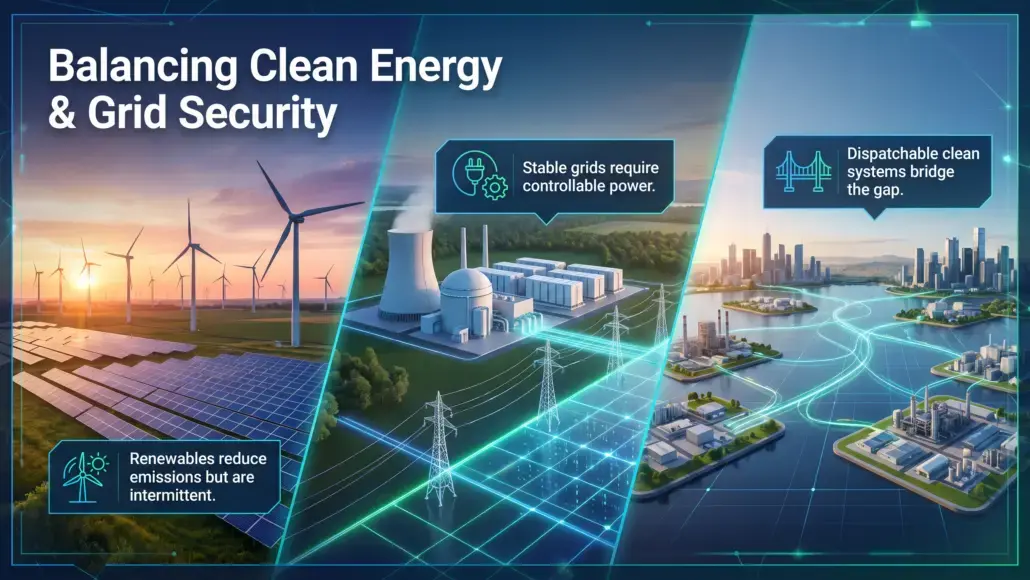

The global transition toward a low-carbon energy system is often characterized by the tension between the need for environmental sustainability and the requirement for energy security. While intermittent renewables like wind and solar are excellent for reducing emissions, they cannot, on their own, provide the steady and controllable power needed to maintain a stable grid. To bridge this gap, the development and deployment of dispatchable clean power systems strengthening energy security has become a strategic imperative for nations around the world. These systems, which include advanced geothermal, long-duration energy storage, sustainable hydro, and next-generation nuclear, offer the ability to ramp power output up or down in response to demand, providing a carbon-neutral alternative to traditional fossil-fueled baseload and peaking plants. By ensuring that power is available exactly when and where it is needed, these technologies form the bedrock of a resilient and independent energy infrastructure.
The Role of Long-Duration Energy Storage in Grid Stability
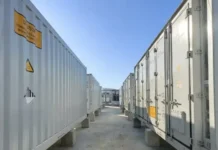
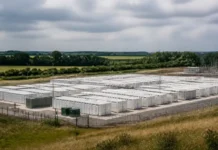
Variable renewable energy generation often creates a mismatch between supply and demand, leading to periods of both surplus and deficit. While short-duration batteries are effective for frequency regulation and handling minor peaks, they lack the capacity for the multi-day or seasonal energy shifting required by a modern grid. This is where long-duration energy storage (LDES) technologies, such as pumped hydro, compressed air, and thermal energy storage, play a vital role. These systems are a core component of dispatchable clean power systems strengthening energy security because they allow for the accumulation of vast amounts of renewable energy that can be dispatched during prolonged periods of low wind or solar output.
Pumped storage hydropower remains the most mature and widely deployed LDES technology, providing over 90 percent of the world’s current storage capacity. However, new innovations in gravity-based storage and liquid air energy storage are expanding the geographic possibilities for LDES beyond mountainous regions. These systems work by storing energy in the form of potential energy, pressure, or temperature gradients, which can then be converted back into electricity with high efficiency. The ability to discharge this energy over several days or weeks provides a critical buffer against the weather-related volatility that can otherwise threaten the stability of the power supply.
Advanced Geothermal and Constant Clean Energy
Geothermal energy has traditionally been limited to regions with specific geological features, such as volcanic activity or tectonic boundaries. However, new developments in Enhanced Geothermal Systems (EGS) and closed-loop technologies are opening up the possibility of tapping into the heat of the Earth almost anywhere. Geothermal is a unique renewable resource because it provides a constant, weather-independent flow of energy, making it a perfect candidate for baseload power. When configured with modern control systems, geothermal plants can also operate in a flexible, load-following mode, qualifying them as dispatchable clean power systems strengthening energy security.
The reliability of geothermal power is a significant advantage for energy security, as it reduces the dependence on fuel supply chains that can be disrupted by geopolitical events or market volatility. Once a geothermal plant is built, its “fuel” is free and virtually inexhaustible. Advanced drilling techniques, borrowed from the oil and gas industry, are now being used to reach deeper and hotter rock formations, significantly increasing the potential output of these facilities. By providing a stable and controllable source of clean energy, geothermal power helps to stabilize grid frequency and voltage, reducing the need for expensive and carbon-intensive backup generators.
Next-Generation Nuclear as a Strategic Asset
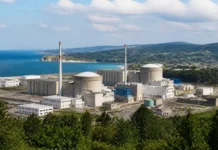
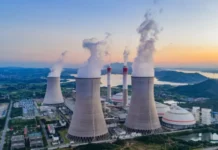
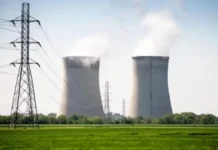
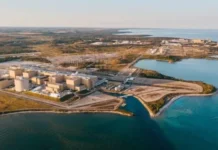
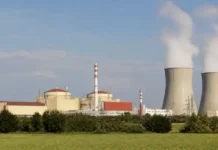
Nuclear power has long been a pillar of carbon-free baseload energy, but the high capital costs and long construction times of traditional large-scale reactors have slowed its recent growth. In response, the industry is shifting toward Small Modular Reactors (SMRs) and advanced reactor designs that offer greater flexibility and enhanced safety features. These next-generation units are designed to be factory-built and easily scalable, making them a more practical choice for a wider range of utilities. As dispatchable clean power systems strengthening energy security, SMRs can be integrated with renewable energy zones to provide the firm power needed to support intermittent generation.
One of the key advantages of modern reactor designs is their ability to perform load-following operations without compromising safety or efficiency. This allows them to work in harmony with wind and solar, ramping down when renewables are abundant and ramping up when they are scarce. Some advanced reactors also produce high-temperature process heat, which can be used for industrial decarbonization or hydrogen production, further enhancing their value to the energy system. The long refueling cycles and high energy density of nuclear fuel make it a highly secure energy source, providing years of power from a relatively small and easily protected stockpile of fuel.
Sustainable Hydropower and Reservoir Management
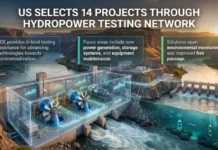
Hydropower is the original dispatchable clean power source, offering the ability to respond almost instantaneously to changes in grid demand. Modern hydropower facilities are increasingly focused on sustainability, using advanced turbine designs that protect fish populations and implementing sophisticated reservoir management strategies to balance energy production with environmental and agricultural needs. The flexibility of hydro makes it an essential tool for integrating large amounts of wind and solar, acting as a “giant battery” that can absorb or release power as needed. The continued investment in sustainable hydro is a key part of the global effort to deploy dispatchable clean power systems strengthening energy security.
In many regions, hydropower is the primary source of grid stability, providing the essential services of frequency control and black start capability. However, the reliability of hydro is being challenged by changing rainfall patterns and prolonged droughts caused by climate change. To mitigate this risk, grid operators are increasingly using hybrid systems that combine hydro with other storage technologies or with floating solar panels on reservoirs. This diversification ensures that the dispatchable capacity of the hydro system remains available even during periods of low water inflow, maintaining the security and stability of the regional power supply.
Policy Frameworks and Investment in Firm Capacity
The deployment of dispatchable clean energy requires a fundamental shift in how electricity markets are structured. In many current markets, the focus is on the lowest cost per megawatt-hour, which often favors intermittent renewables that do not bear the cost of the grid services they require. To encourage the investment in dispatchable clean power systems strengthening energy security, policymakers are developing new mechanisms that value “firmness” and grid reliability. Capacity markets, long-term power purchase agreements, and specific mandates for long-duration storage are all being used to provide the financial certainty needed for these capital-intensive projects.
Energy security is not just about the availability of power; it is also about the diversity and resilience of the supply. By investing in a broad portfolio of dispatchable clean technologies, nations can reduce their exposure to any single point of failure or market disruption. The development of a clear and consistent policy framework is the most important factor in attracting the private capital needed to build these assets. As the energy transition accelerates, the focus will increasingly shift from simply adding more renewable capacity to ensuring that the resulting system is as reliable and secure as the one it replaces.
Technical Integration and Smart Grid Management
Integrating a diverse range of dispatchable and intermittent sources requires a high degree of technical coordination. Smart grid technologies, including advanced sensors, real-time analytics, and automated control systems, are needed to manage the complex flows of energy across the network. These digital tools allow grid operators to see exactly how much dispatchable capacity is available at any given moment and to deploy it with precision. The successful implementation of dispatchable clean power systems strengthening energy security depends on this digital backbone, which ensures that all parts of the energy system work together as a single, cohesive unit.
The use of Artificial Intelligence to predict weather patterns and energy demand is also becoming a standard part of grid management. By anticipating when renewable generation will drop, these systems can pre-schedule the ramp-up of dispatchable assets, preventing sudden frequency drops or voltage instabilities. This proactive approach to grid management is essential for maintaining the high levels of reliability that modern society demands. The combination of advanced physical hardware and sophisticated digital intelligence is the key to a future where energy is both completely clean and absolutely secure. The ongoing commitment to innovation in both these areas will ensure that the power system remains the most important and resilient infrastructure of the modern world.